

on. In the enzymatic reaction, DimerDye was still able to work effectively in the
presence of various salts, metal ions, or coenzymes. As an important supplement to
IDA, this strategy is of great significance for detecting biomolecules in complex
environments.
F-F
0
F-F
0
F-F
0
+
+
+
+
A
+
+
C
C
B
pattern unique
to the analyte
identity/
concentration
B
A
Dye
Dye
Dye
Dye
A n a ly te
A n a ly te
A n a ly te
A n a ly te
A n a ly te
A n a ly te
Dye
Dye
d
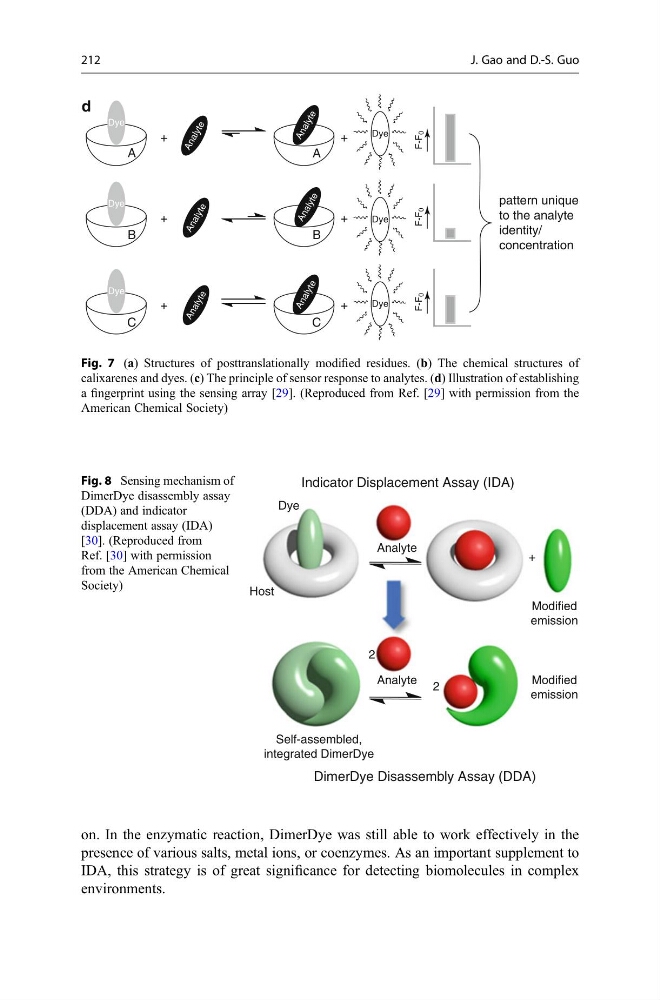
Fig. 7 (a) Structures of posttranslationally modified residues. (b) The chemical structures of
calixarenes and dyes. (c) The principle of sensor response to analytes. (d) Illustration of establishing
a fingerprint using the sensing array [29]. (Reproduced from Ref. [29] with permission from the
American Chemical Society)
Indicator Displacement Assay (IDA)
Dye
Host
Analyte
Analyte
2
2
Modified
emission
Modified
emission
Self-assembled,
integrated DimerDye
DimerDye Disassembly Assay (DDA)
+
Fig. 8 Sensing mechanism of
DimerDye disassembly assay
(DDA) and indicator
displacement assay (IDA)
[30]. (Reproduced from
Ref. [30] with permission
from the American Chemical
Society)
212
J. Gao and D.-S. Guo
presence of various salts, metal ions, or coenzymes. As an important supplement to
IDA, this strategy is of great significance for detecting biomolecules in complex
environments.
F-F
0
F-F
0
F-F
0
+
+
+
+
A
+
+
C
C
B
pattern unique
to the analyte
identity/
concentration
B
A
Dye
Dye
Dye
Dye
A n a ly te
A n a ly te
A n a ly te
A n a ly te
A n a ly te
A n a ly te
Dye
Dye
d
Fig. 7 (a) Structures of posttranslationally modified residues. (b) The chemical structures of
calixarenes and dyes. (c) The principle of sensor response to analytes. (d) Illustration of establishing
a fingerprint using the sensing array [29]. (Reproduced from Ref. [29] with permission from the
American Chemical Society)
Indicator Displacement Assay (IDA)
Dye
Host
Analyte
Analyte
2
2
Modified
emission
Modified
emission
Self-assembled,
integrated DimerDye
DimerDye Disassembly Assay (DDA)
+
Fig. 8 Sensing mechanism of
DimerDye disassembly assay
(DDA) and indicator
displacement assay (IDA)
[30]. (Reproduced from
Ref. [30] with permission
from the American Chemical
Society)
212
J. Gao and D.-S. Guo