

As a class of near-IR fluorescent dyes with specific photophysical properties,
squaraines have shown wide potential applications in such as imaging, nonlinear
optics, photovoltaics, ion sensing, and so on. However, in polar solvents, they are
susceptible to aggregation, which can limit their applications. Thus, the maintenance of the chemical stability and the photophysical properties of the dyes is the
key to the development of squaraine applications. The novel triptycene-based
tetralactam macrocycles 52a–b have well-defined conformations, so we first tested
their complexation with squaraine 56b [31, 35]. Consequently, we found that the
2PF 6
−
43a R = H, n = 0
43c R = CH 2 OH, n = 0
43e R = CH=CH 2 , n = 0
43d R = CH 2 OCH 3 , n = 0
43f R = CH 2 OCH 2 CH=CH 2 , n = 0
43h R = CH 2 OCH 2 C
43g R = (CH 2 ) 4 CH 2 OH, n = 0
43b R = CH 2 CH 3 , n = 0
43i R = CH 2 C
CH, n = 0
CH, n = 0
44a R = H, n = 1
45a R = H, n = 2
N
N
R
R
n
44b R = CH 2 OH, n = 1
45b R = CH 2 OH, n = 2
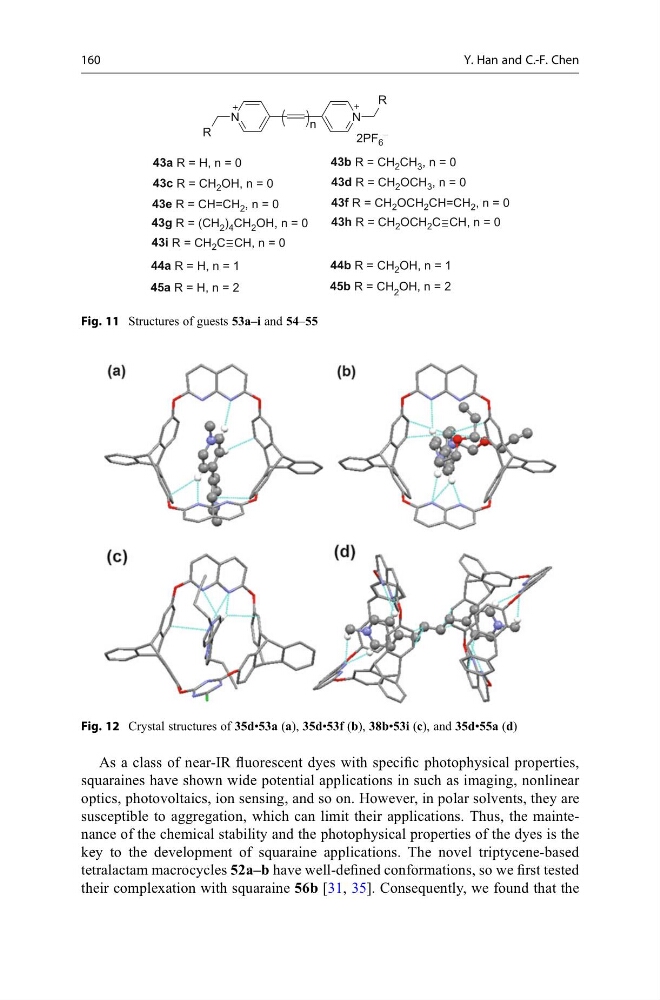
Fig. 11 Structures of guests 53a–i and 54–55
Fig. 12 Crystal structures of 35d•53a (a), 35d•53f (b), 38b•53i (c), and 35d•55a (d)
160
Y. Han and C.-F. Chen
squaraines have shown wide potential applications in such as imaging, nonlinear
optics, photovoltaics, ion sensing, and so on. However, in polar solvents, they are
susceptible to aggregation, which can limit their applications. Thus, the maintenance of the chemical stability and the photophysical properties of the dyes is the
key to the development of squaraine applications. The novel triptycene-based
tetralactam macrocycles 52a–b have well-defined conformations, so we first tested
their complexation with squaraine 56b [31, 35]. Consequently, we found that the
2PF 6
−
43a R = H, n = 0
43c R = CH 2 OH, n = 0
43e R = CH=CH 2 , n = 0
43d R = CH 2 OCH 3 , n = 0
43f R = CH 2 OCH 2 CH=CH 2 , n = 0
43h R = CH 2 OCH 2 C
43g R = (CH 2 ) 4 CH 2 OH, n = 0
43b R = CH 2 CH 3 , n = 0
43i R = CH 2 C
CH, n = 0
CH, n = 0
44a R = H, n = 1
45a R = H, n = 2
N
N
R
R
n
44b R = CH 2 OH, n = 1
45b R = CH 2 OH, n = 2
Fig. 11 Structures of guests 53a–i and 54–55
Fig. 12 Crystal structures of 35d•53a (a), 35d•53f (b), 38b•53i (c), and 35d•55a (d)
160
Y. Han and C.-F. Chen