

86
social groups may also have a negative influence on technology adoption, particularly where free-riding behavior exists. A study on adoption of green revolution
technologies in India reported that learning externalities in social networks increased
the gains of adoption; however, farmers appeared to social-loaf on their neighbors’
costly experimentation with the new technology (Foster and Rosenzweig 1995).
Human capital of the farmer is understood to have an important effect on farmers’
decision to adopt new technologies. Most studies on adoption have attempted to
measure human capital through the farmer’s education, gender, age, and household
size (Fernandez-Cornejo et al. 1994, 2007; Mignouna et al. 2011; Keelan et al. 2014).
In this study, findings showed that being of age with responsibilities to take care of
also influenced one’s ability to seek for rice technologies that promote increased
production and hence income generation. Additionally, it has been documented that
older farmers are assumed to have gained knowledge and experience over time and
are better able to assess technology information than younger farmers (Mignouna
et al. 2011; Kariyasa and Dewi 2011). On the other hand, age was found to have a
negative association with technology adoption in this study. The elderly members of
the communities were not keen to go in search of high-yielding crop varieties. As
farmers advance in age, they tend to be risk-averse and reduce interest in long-term
investment in the farm. On the contrary, younger farmers are generally risk-taking
and more inclined to experiment with new technologies (Mauceri et al. 2005; Adesina
and Zinnah 1993). Respondents also agreed that those who were more educated had
better chances of understanding the importance and attributes of a particular technology, let alone wanting to get the skill in utilizing it, as compared to those who were
less educated, the majority of whom were women. The respondents agreed that those
who were more educated had higher chances of accessing credit facilities; hence,
they could invest in high-yielding crop and animal technologies for improved proPercentage
Factors for consideraƟon
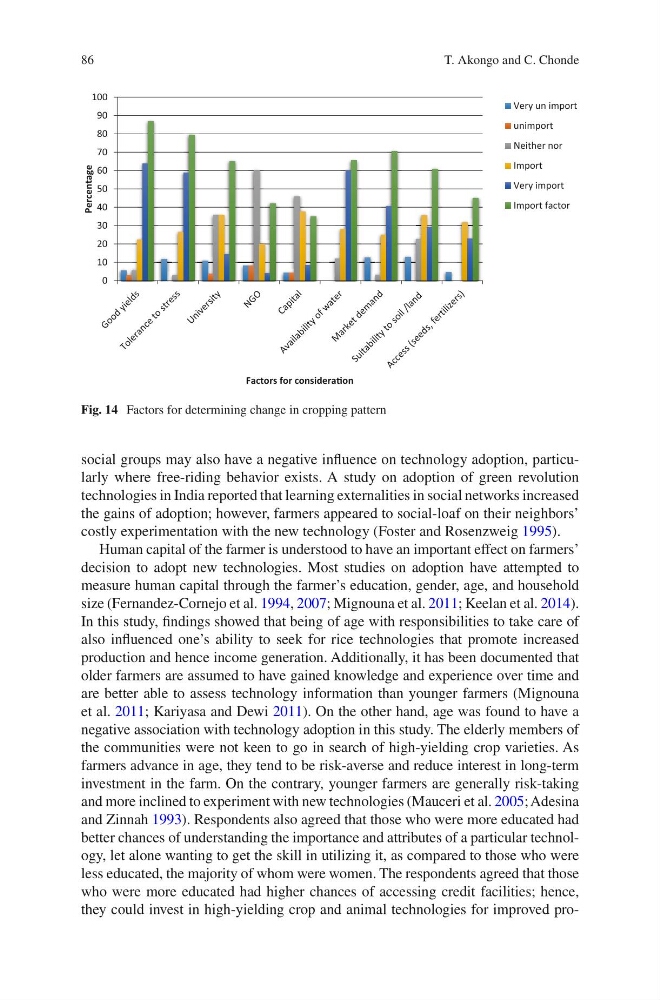
Fig. 14 Factors for determining change in cropping pattern
T. Akongo and C. Chonde
social groups may also have a negative influence on technology adoption, particularly where free-riding behavior exists. A study on adoption of green revolution
technologies in India reported that learning externalities in social networks increased
the gains of adoption; however, farmers appeared to social-loaf on their neighbors’
costly experimentation with the new technology (Foster and Rosenzweig 1995).
Human capital of the farmer is understood to have an important effect on farmers’
decision to adopt new technologies. Most studies on adoption have attempted to
measure human capital through the farmer’s education, gender, age, and household
size (Fernandez-Cornejo et al. 1994, 2007; Mignouna et al. 2011; Keelan et al. 2014).
In this study, findings showed that being of age with responsibilities to take care of
also influenced one’s ability to seek for rice technologies that promote increased
production and hence income generation. Additionally, it has been documented that
older farmers are assumed to have gained knowledge and experience over time and
are better able to assess technology information than younger farmers (Mignouna
et al. 2011; Kariyasa and Dewi 2011). On the other hand, age was found to have a
negative association with technology adoption in this study. The elderly members of
the communities were not keen to go in search of high-yielding crop varieties. As
farmers advance in age, they tend to be risk-averse and reduce interest in long-term
investment in the farm. On the contrary, younger farmers are generally risk-taking
and more inclined to experiment with new technologies (Mauceri et al. 2005; Adesina
and Zinnah 1993). Respondents also agreed that those who were more educated had
better chances of understanding the importance and attributes of a particular technology, let alone wanting to get the skill in utilizing it, as compared to those who were
less educated, the majority of whom were women. The respondents agreed that those
who were more educated had higher chances of accessing credit facilities; hence,
they could invest in high-yielding crop and animal technologies for improved proPercentage
Factors for consideraƟon
Fig. 14 Factors for determining change in cropping pattern
T. Akongo and C. Chonde