

71
especially cattle, are low due to cattle rustling by the Karimojong. Those living near
smaller lakes often engage in fishing for food and sale. With smaller land and livestock holdings, poorer households are unable to produce and raise enough to cover
their annual food needs. Therefore, they rely on selling their labor to better-off households to supplement their income. Oftentimes, poor households engage in selling
smaller livestock such as chickens, and those residing closer to lakes sell fish. Betteroff households in this zone derive their food and income from crop production. They
are able to cultivate more land by employing labor from the poor and oxen. They also
purchase agricultural inputs to increase their production.
The better-off households supplement their annual food needs with food purchased from the market, in addition to milk and meat from their animals. Though
the bulk of their income is earned from the sale of crops, the better-off also sell
livestock and livestock products. The zone has good market access, with rural and
larger road networks which allow a steady stream of commodity flow into and out
of the zone. Crops are sold locally to traders who take them to larger trading centers
outside the zone and into South Sudan. Traders from as far as Kampala purchase
livestock from the local markets and transport them to Kampala, Lira, and/or South
Sudan. The main hazards affecting livelihoods and food security in the zone are
flooding, prolonged dry spells, birds, crops, and livestock diseases.
Rice Production and Gender Roles in the Zone
Rice is one of the major cash crops in the zone. The major rice varieties grown are
Super, Super China, Super America, K5, Benenego, Kaiso, Kibuyu, Kigaire, Sena,
Kibimba, Vietnam, Kigada, and Upland. About 30% of the respondents sampled in this
zone indicated that they grow upland rice varieties, and the amount of land planted to
rice per small-scale farmer is 0.4 hectares while the large-scale farmers grow 0.81–1.2
hectares per season. Rice in this zone is predominantly a man’s crop, and women only
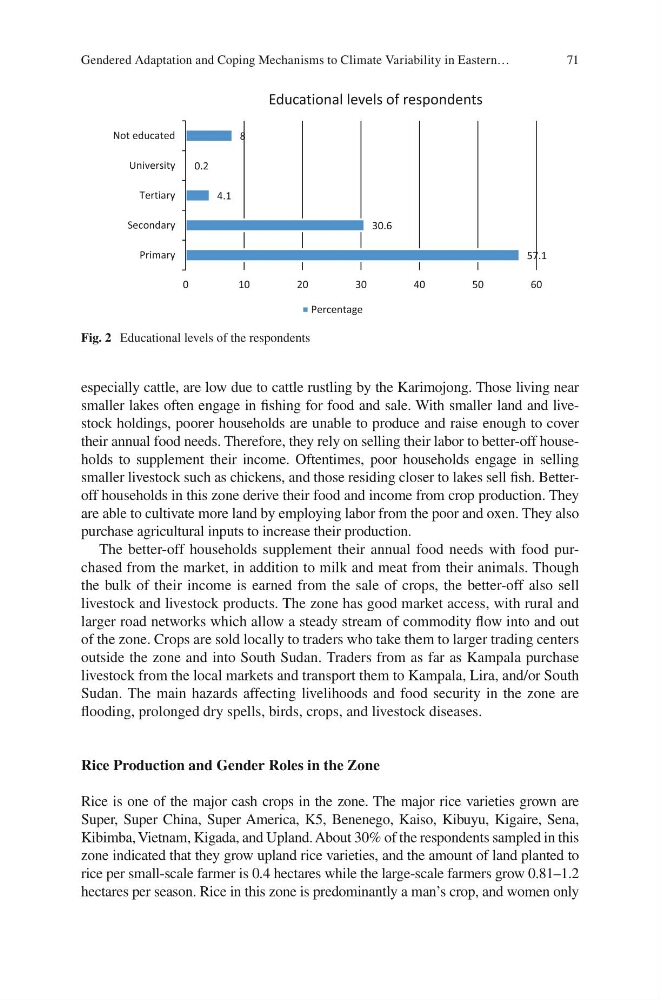
Fig. 2 Educational levels of the respondents
Gendered Adaptation and Coping Mechanisms to Climate Variability in Eastern…
especially cattle, are low due to cattle rustling by the Karimojong. Those living near
smaller lakes often engage in fishing for food and sale. With smaller land and livestock holdings, poorer households are unable to produce and raise enough to cover
their annual food needs. Therefore, they rely on selling their labor to better-off households to supplement their income. Oftentimes, poor households engage in selling
smaller livestock such as chickens, and those residing closer to lakes sell fish. Betteroff households in this zone derive their food and income from crop production. They
are able to cultivate more land by employing labor from the poor and oxen. They also
purchase agricultural inputs to increase their production.
The better-off households supplement their annual food needs with food purchased from the market, in addition to milk and meat from their animals. Though
the bulk of their income is earned from the sale of crops, the better-off also sell
livestock and livestock products. The zone has good market access, with rural and
larger road networks which allow a steady stream of commodity flow into and out
of the zone. Crops are sold locally to traders who take them to larger trading centers
outside the zone and into South Sudan. Traders from as far as Kampala purchase
livestock from the local markets and transport them to Kampala, Lira, and/or South
Sudan. The main hazards affecting livelihoods and food security in the zone are
flooding, prolonged dry spells, birds, crops, and livestock diseases.
Rice Production and Gender Roles in the Zone
Rice is one of the major cash crops in the zone. The major rice varieties grown are
Super, Super China, Super America, K5, Benenego, Kaiso, Kibuyu, Kigaire, Sena,
Kibimba, Vietnam, Kigada, and Upland. About 30% of the respondents sampled in this
zone indicated that they grow upland rice varieties, and the amount of land planted to
rice per small-scale farmer is 0.4 hectares while the large-scale farmers grow 0.81–1.2
hectares per season. Rice in this zone is predominantly a man’s crop, and women only
Fig. 2 Educational levels of the respondents
Gendered Adaptation and Coping Mechanisms to Climate Variability in Eastern…