

579
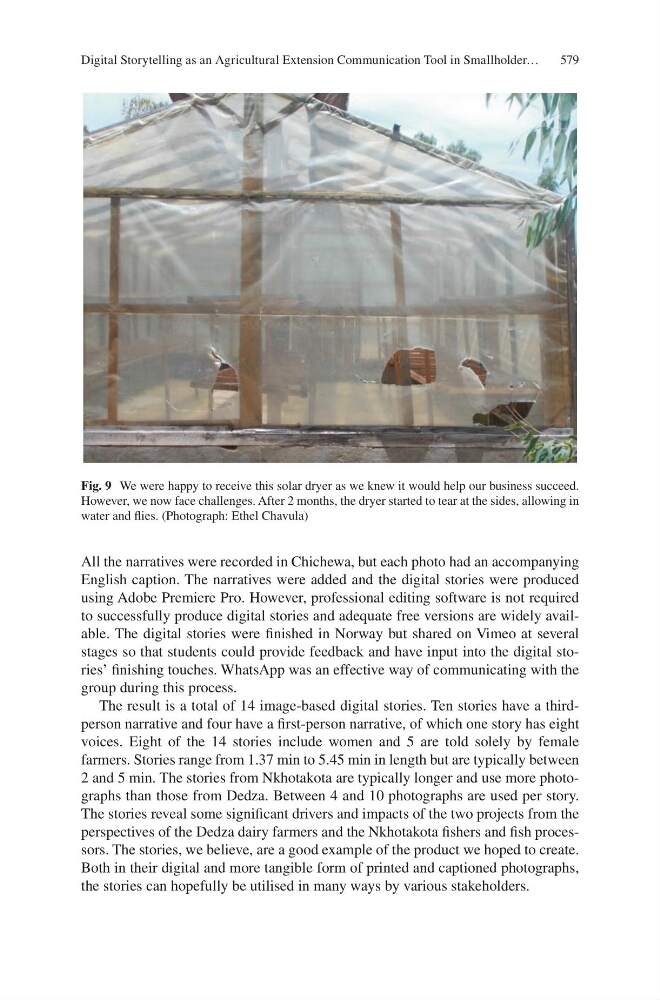
Fig. 9 We were happy to receive this solar dryer as we knew it would help our business succeed.
However, we now face challenges. After 2 months, the dryer started to tear at the sides, allowing in
water and flies. (Photograph: Ethel Chavula)
All the narratives were recorded in Chichewa, but each photo had an accompanying
English caption. The narratives were added and the digital stories were produced
using Adobe Premiere Pro. However, professional editing software is not required
to successfully produce digital stories and adequate free versions are widely available. The digital stories were finished in Norway but shared on Vimeo at several
stages so that students could provide feedback and have input into the digital stories’ finishing touches. WhatsApp was an effective way of communicating with the
group during this process.
The result is a total of 14 image-based digital stories. Ten stories have a thirdperson narrative and four have a first-person narrative, of which one story has eight
voices. Eight of the 14 stories include women and 5 are told solely by female
farmers. Stories range from 1.37 min to 5.45 min in length but are typically between
2 and 5 min. The stories from Nkhotakota are typically longer and use more photographs than those from Dedza. Between 4 and 10 photographs are used per story.
The stories reveal some significant drivers and impacts of the two projects from the
perspectives of the Dedza dairy farmers and the Nkhotakota fishers and fish processors. The stories, we believe, are a good example of the product we hoped to create.
Both in their digital and more tangible form of printed and captioned photographs,
the stories can hopefully be utilised in many ways by various stakeholders.
Digital Storytelling as an Agricultural Extension Communication Tool in Smallholder…