

335
5. Characterize the compound with
1
H and
13
C NMR spectroscopy and mass spectrometry.
1. Dissolve Fmoc-Ser(tBu)-OH (1.5 eq), HATU (1.5 eq), and
HOBt (1.5 eq) in anhydrous DMF under inert atmosphere.
2. Add DIPEA (5 eq) at 0 °C.
3. After 5 min, add D-Lys
6
-GnRH (1 eq) dissolved in anhydrous
DMF dropwise and stir the reaction for the required time at
room temperature (monitor the reaction progress with TLC).
4. Distill the solvent.
5. Wash
the
residue
with
acetonitrile
to
afford
Fmoc-Ser(tBu)-D-Lys
6
-GnRH.
6. Dissolve Fmoc-Ser(tBu)-D-Lys
6
-GnRH in 20% piperidine in
DMF at 0 °C and stir at room temperature for the required
time (monitor the reaction progress with TLC).
7. Distill the solvent and wash the residue with acetonitrile to
afford Ser(tBu)-D-Lys
6
-GnRH.
8. Dissolve
Ser(tBu)-D-Lys
6
-GnRH
in
TFA/TIS/H 2 O
(95/2.5/2.5, v/v) and stir at room temperature for the
required time (monitor the reaction progress with TLC).
9. Distill the solvent, and wash the residue with acetonitrile.
10. Purify the compound with RP-HPLC and lyophilize the fraction to afford Ser-D-Lys
6
-GnRH.
11. Dissolve Ser-D-Lys
6
-GnRH (1 eq) in H 2 O.
12. Add imidazole (5 eq) and sodium periodate (1.2 eq) and stir
at room temperature for 5–10 min.
13. Quench the reaction with ethylene glycol (2 eq).
14. Purify the mixture with RP-HPLC and lyophilize the fraction
to afford D-Lys
6
-GnRH aldehyde in pure form.
15. Characterize the compound with mass spectrometry (see
Note 6).
Attachment of Aldehyde
Group on D-Lys
6
-GnRH,
as previously reported [14],
and described below
(D-Lys
6
-GnRH aldehyde)
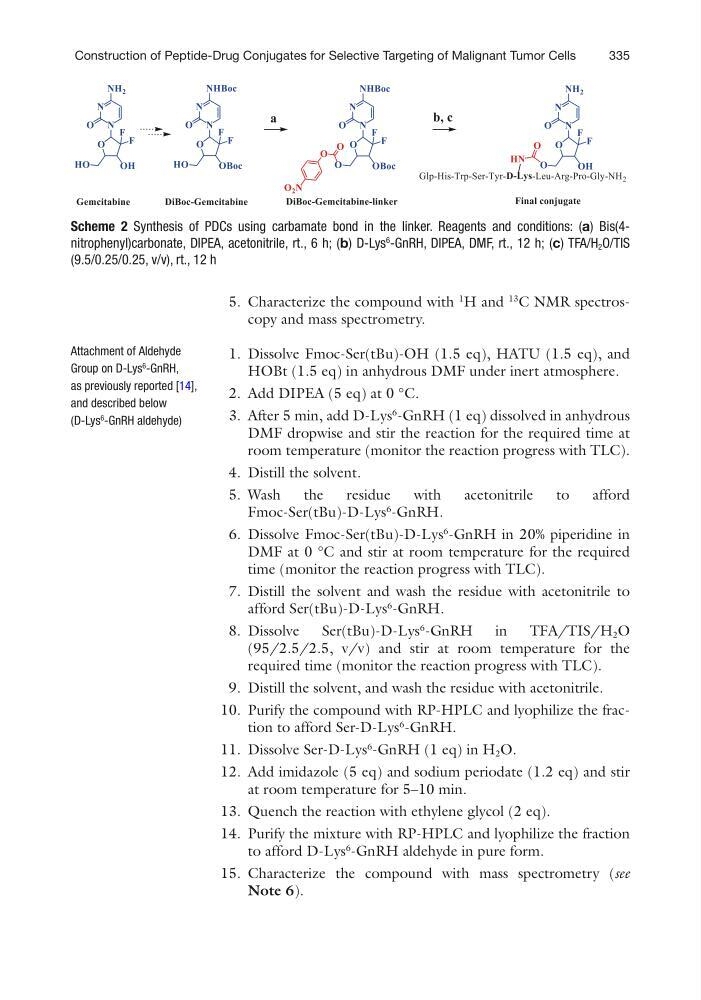
Scheme 2 Synthesis of PDCs using carbamate bond in the linker. Reagents and conditions: (a) Bis(4nitrophenyl)carbonate, DIPEA, acetonitrile, rt., 6 h; (b) D-Lys
6
-GnRH, DIPEA, DMF, rt., 12 h; (c) TFA/H 2 O/TIS
(9.5/0.25/0.25, v/v), rt., 12 h
Construction of Peptide-Drug Conjugates for Selective Targeting of Malignant Tumor Cells
5. Characterize the compound with
1
H and
13
C NMR spectroscopy and mass spectrometry.
1. Dissolve Fmoc-Ser(tBu)-OH (1.5 eq), HATU (1.5 eq), and
HOBt (1.5 eq) in anhydrous DMF under inert atmosphere.
2. Add DIPEA (5 eq) at 0 °C.
3. After 5 min, add D-Lys
6
-GnRH (1 eq) dissolved in anhydrous
DMF dropwise and stir the reaction for the required time at
room temperature (monitor the reaction progress with TLC).
4. Distill the solvent.
5. Wash
the
residue
with
acetonitrile
to
afford
Fmoc-Ser(tBu)-D-Lys
6
-GnRH.
6. Dissolve Fmoc-Ser(tBu)-D-Lys
6
-GnRH in 20% piperidine in
DMF at 0 °C and stir at room temperature for the required
time (monitor the reaction progress with TLC).
7. Distill the solvent and wash the residue with acetonitrile to
afford Ser(tBu)-D-Lys
6
-GnRH.
8. Dissolve
Ser(tBu)-D-Lys
6
-GnRH
in
TFA/TIS/H 2 O
(95/2.5/2.5, v/v) and stir at room temperature for the
required time (monitor the reaction progress with TLC).
9. Distill the solvent, and wash the residue with acetonitrile.
10. Purify the compound with RP-HPLC and lyophilize the fraction to afford Ser-D-Lys
6
-GnRH.
11. Dissolve Ser-D-Lys
6
-GnRH (1 eq) in H 2 O.
12. Add imidazole (5 eq) and sodium periodate (1.2 eq) and stir
at room temperature for 5–10 min.
13. Quench the reaction with ethylene glycol (2 eq).
14. Purify the mixture with RP-HPLC and lyophilize the fraction
to afford D-Lys
6
-GnRH aldehyde in pure form.
15. Characterize the compound with mass spectrometry (see
Note 6).
Attachment of Aldehyde
Group on D-Lys
6
-GnRH,
as previously reported [14],
and described below
(D-Lys
6
-GnRH aldehyde)
Scheme 2 Synthesis of PDCs using carbamate bond in the linker. Reagents and conditions: (a) Bis(4nitrophenyl)carbonate, DIPEA, acetonitrile, rt., 6 h; (b) D-Lys
6
-GnRH, DIPEA, DMF, rt., 12 h; (c) TFA/H 2 O/TIS
(9.5/0.25/0.25, v/v), rt., 12 h
Construction of Peptide-Drug Conjugates for Selective Targeting of Malignant Tumor Cells