

Sustainable Practices for the Organic Waste Management …
811
Fig. 7 Type of wastes studied. Source Prepared by the authors
Meat
processing
Vegetable peels,
leaves, stems
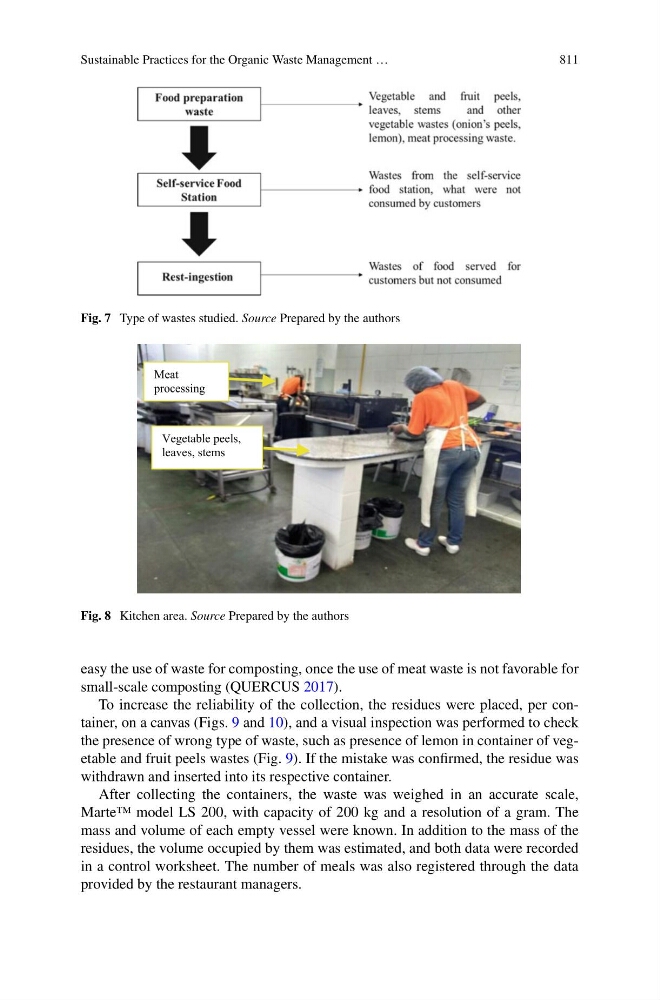
Fig. 8 Kitchen area. Source Prepared by the authors
easy the use of waste for composting, once the use of meat waste is not favorable for
small-scale composting (QUERCUS 2017).
To increase the reliability of the collection, the residues were placed, per container, on a canvas (Figs. 9 and 10), and a visual inspection was performed to check
the presence of wrong type of waste, such as presence of lemon in container of vegetable and fruit peels wastes (Fig. 9). If the mistake was confirmed, the residue was
withdrawn and inserted into its respective container.
After collecting the containers, the waste was weighed in an accurate scale,
Marte™ model LS 200, with capacity of 200 kg and a resolution of a gram. The
mass and volume of each empty vessel were known. In addition to the mass of the
residues, the volume occupied by them was estimated, and both data were recorded
in a control worksheet. The number of meals was also registered through the data
provided by the restaurant managers.