

810
R. A. Teixeira et al.
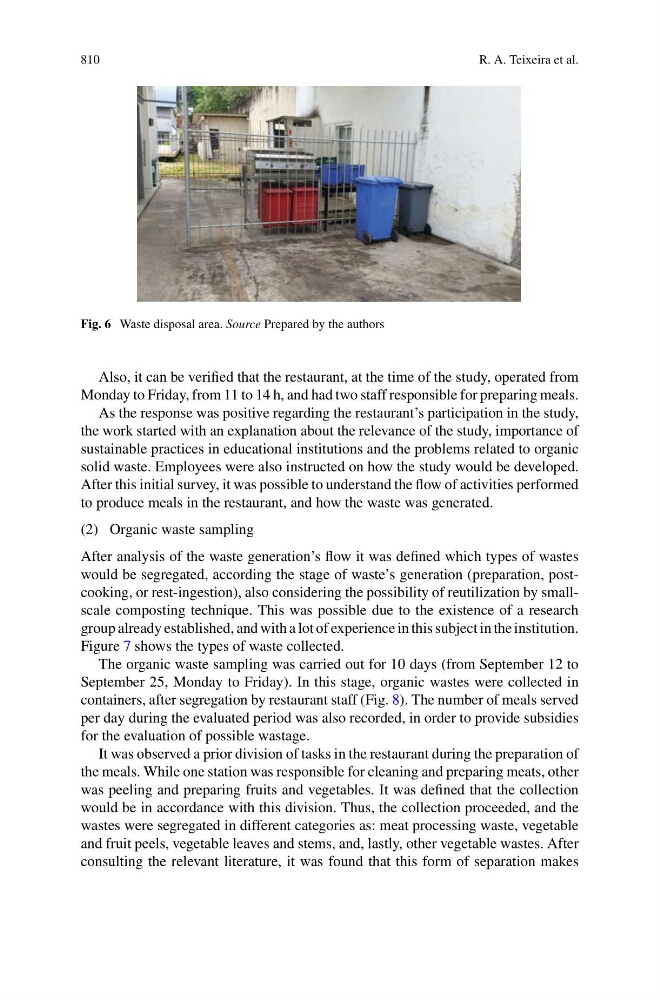
Fig. 6 Waste disposal area. Source Prepared by the authors
Also, it can be verified that the restaurant, at the time of the study, operated from
Monday to Friday, from 11 to 14 h, and had two staff responsible for preparing meals.
As the response was positive regarding the restaurant’s participation in the study,
the work started with an explanation about the relevance of the study, importance of
sustainable practices in educational institutions and the problems related to organic
solid waste. Employees were also instructed on how the study would be developed.
After this initial survey, it was possible to understand the flow of activities performed
to produce meals in the restaurant, and how the waste was generated.
(2) Organic waste sampling
After analysis of the waste generation’s flow it was defined which types of wastes
would be segregated, according the stage of waste’s generation (preparation, postcooking, or rest-ingestion), also considering the possibility of reutilization by smallscale composting technique. This was possible due to the existence of a research
group already established, and with a lot of experience in this subject in the institution.
Figure 7 shows the types of waste collected.
The organic waste sampling was carried out for 10 days (from September 12 to
September 25, Monday to Friday). In this stage, organic wastes were collected in
containers, after segregation by restaurant staff (Fig. 8). The number of meals served
per day during the evaluated period was also recorded, in order to provide subsidies
for the evaluation of possible wastage.
It was observed a prior division of tasks in the restaurant during the preparation of
the meals. While one station was responsible for cleaning and preparing meats, other
was peeling and preparing fruits and vegetables. It was defined that the collection
would be in accordance with this division. Thus, the collection proceeded, and the
wastes were segregated in different categories as: meat processing waste, vegetable
and fruit peels, vegetable leaves and stems, and, lastly, other vegetable wastes. After
consulting the relevant literature, it was found that this form of separation makes