

750
N. A. Manaf et al.
GREEN
CHEMISTRY
(12 principles)
Prevent
waste
Atom
economy
Less
hazardous
synthesis
Safer
chemicals
and
products
Safer
solvents and
auxiliaries
Design for
energy
efficiency
Use
renewable
feedstocks
Avoid
chemical
derivatives
Catalysis
Design for
degradation
Real time
analysis for
pollution
prevention
Minimize
potential for
accidents
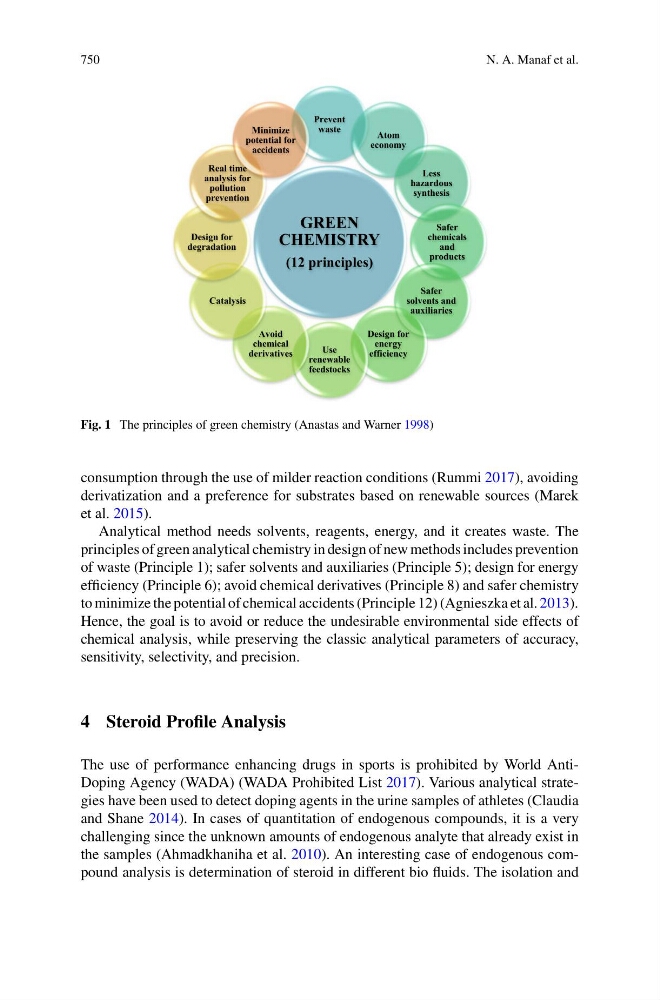
Fig. 1 The principles of green chemistry (Anastas and Warner 1998)
consumption through the use of milder reaction conditions (Rummi 2017), avoiding
derivatization and a preference for substrates based on renewable sources (Marek
et al. 2015).
Analytical method needs solvents, reagents, energy, and it creates waste. The
principles of green analytical chemistry in design of new methods includes prevention
of waste (Principle 1); safer solvents and auxiliaries (Principle 5); design for energy
efficiency (Principle 6); avoid chemical derivatives (Principle 8) and safer chemistry
to minimize the potential of chemical accidents (Principle 12) (Agnieszka et al. 2013).
Hence, the goal is to avoid or reduce the undesirable environmental side effects of
chemical analysis, while preserving the classic analytical parameters of accuracy,
sensitivity, selectivity, and precision.
4 Steroid Profile Analysis
The use of performance enhancing drugs in sports is prohibited by World AntiDoping Agency (WADA) (WADA Prohibited List 2017). Various analytical strategies have been used to detect doping agents in the urine samples of athletes (Claudia
and Shane 2014). In cases of quantitation of endogenous compounds, it is a very
challenging since the unknown amounts of endogenous analyte that already exist in
the samples (Ahmadkhaniha et al. 2010). An interesting case of endogenous compound analysis is determination of steroid in different bio fluids. The isolation and