

580
S. Y. Teh and H. L. Koh
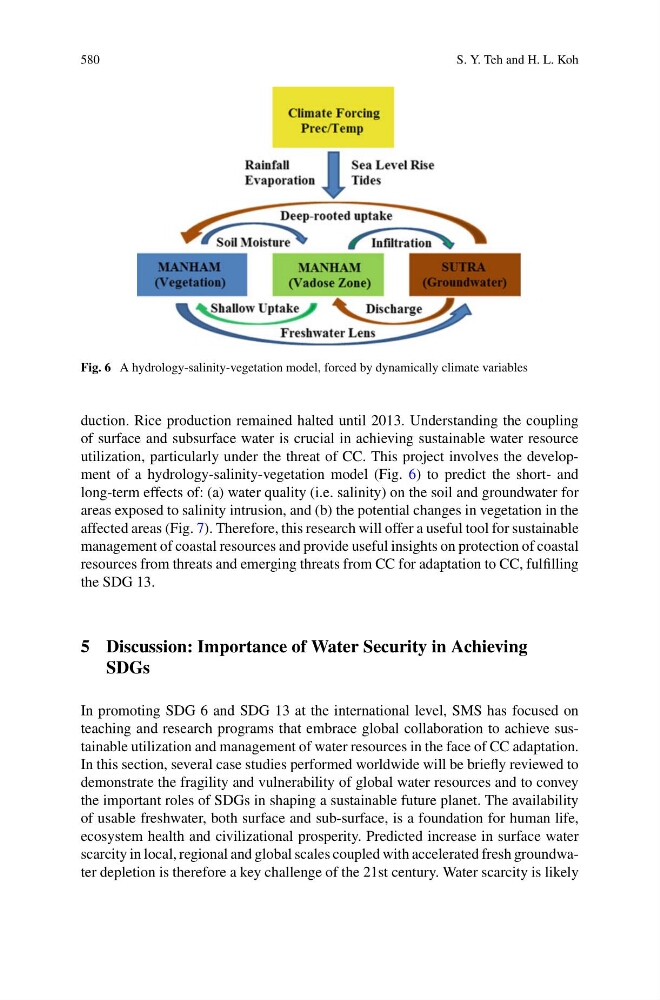
Fig. 6 A hydrology-salinity-vegetation model, forced by dynamically climate variables
duction. Rice production remained halted until 2013. Understanding the coupling
of surface and subsurface water is crucial in achieving sustainable water resource
utilization, particularly under the threat of CC. This project involves the development of a hydrology-salinity-vegetation model (Fig. 6) to predict the short- and
long-term effects of: (a) water quality (i.e. salinity) on the soil and groundwater for
areas exposed to salinity intrusion, and (b) the potential changes in vegetation in the
affected areas (Fig. 7). Therefore, this research will offer a useful tool for sustainable
management of coastal resources and provide useful insights on protection of coastal
resources from threats and emerging threats from CC for adaptation to CC, fulfilling
the SDG 13.
5 Discussion: Importance of Water Security in Achieving
SDGs
In promoting SDG 6 and SDG 13 at the international level, SMS has focused on
teaching and research programs that embrace global collaboration to achieve sustainable utilization and management of water resources in the face of CC adaptation.
In this section, several case studies performed worldwide will be briefly reviewed to
demonstrate the fragility and vulnerability of global water resources and to convey
the important roles of SDGs in shaping a sustainable future planet. The availability
of usable freshwater, both surface and sub-surface, is a foundation for human life,
ecosystem health and civilizational prosperity. Predicted increase in surface water
scarcity in local, regional and global scales coupled with accelerated fresh groundwater depletion is therefore a key challenge of the 21st century. Water scarcity is likely
S. Y. Teh and H. L. Koh
Fig. 6 A hydrology-salinity-vegetation model, forced by dynamically climate variables
duction. Rice production remained halted until 2013. Understanding the coupling
of surface and subsurface water is crucial in achieving sustainable water resource
utilization, particularly under the threat of CC. This project involves the development of a hydrology-salinity-vegetation model (Fig. 6) to predict the short- and
long-term effects of: (a) water quality (i.e. salinity) on the soil and groundwater for
areas exposed to salinity intrusion, and (b) the potential changes in vegetation in the
affected areas (Fig. 7). Therefore, this research will offer a useful tool for sustainable
management of coastal resources and provide useful insights on protection of coastal
resources from threats and emerging threats from CC for adaptation to CC, fulfilling
the SDG 13.
5 Discussion: Importance of Water Security in Achieving
SDGs
In promoting SDG 6 and SDG 13 at the international level, SMS has focused on
teaching and research programs that embrace global collaboration to achieve sustainable utilization and management of water resources in the face of CC adaptation.
In this section, several case studies performed worldwide will be briefly reviewed to
demonstrate the fragility and vulnerability of global water resources and to convey
the important roles of SDGs in shaping a sustainable future planet. The availability
of usable freshwater, both surface and sub-surface, is a foundation for human life,
ecosystem health and civilizational prosperity. Predicted increase in surface water
scarcity in local, regional and global scales coupled with accelerated fresh groundwater depletion is therefore a key challenge of the 21st century. Water scarcity is likely