

Mainstreaming Education for Sustainable Development …
555
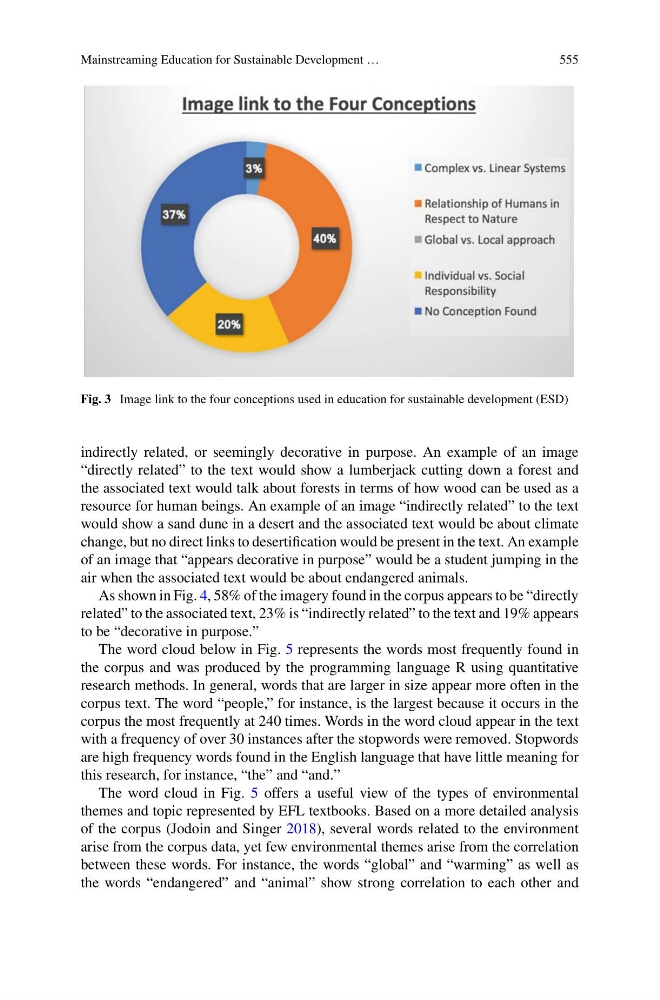
Fig. 3 Image link to the four conceptions used in education for sustainable development (ESD)
indirectly related, or seemingly decorative in purpose. An example of an image
“directly related” to the text would show a lumberjack cutting down a forest and
the associated text would talk about forests in terms of how wood can be used as a
resource for human beings. An example of an image “indirectly related” to the text
would show a sand dune in a desert and the associated text would be about climate
change, but no direct links to desertification would be present in the text. An example
of an image that “appears decorative in purpose” would be a student jumping in the
air when the associated text would be about endangered animals.
As shown in Fig. 4, 58% of the imagery found in the corpus appears to be “directly
related” to the associated text, 23% is “indirectly related” to the text and 19% appears
to be “decorative in purpose.”
The word cloud below in Fig. 5 represents the words most frequently found in
the corpus and was produced by the programming language R using quantitative
research methods. In general, words that are larger in size appear more often in the
corpus text. The word “people,” for instance, is the largest because it occurs in the
corpus the most frequently at 240 times. Words in the word cloud appear in the text
with a frequency of over 30 instances after the stopwords were removed. Stopwords
are high frequency words found in the English language that have little meaning for
this research, for instance, “the” and “and.”
The word cloud in Fig. 5 offers a useful view of the types of environmental
themes and topic represented by EFL textbooks. Based on a more detailed analysis
of the corpus (Jodoin and Singer 2018), several words related to the environment
arise from the corpus data, yet few environmental themes arise from the correlation
between these words. For instance, the words “global” and “warming” as well as
the words “endangered” and “animal” show strong correlation to each other and
555
Fig. 3 Image link to the four conceptions used in education for sustainable development (ESD)
indirectly related, or seemingly decorative in purpose. An example of an image
“directly related” to the text would show a lumberjack cutting down a forest and
the associated text would talk about forests in terms of how wood can be used as a
resource for human beings. An example of an image “indirectly related” to the text
would show a sand dune in a desert and the associated text would be about climate
change, but no direct links to desertification would be present in the text. An example
of an image that “appears decorative in purpose” would be a student jumping in the
air when the associated text would be about endangered animals.
As shown in Fig. 4, 58% of the imagery found in the corpus appears to be “directly
related” to the associated text, 23% is “indirectly related” to the text and 19% appears
to be “decorative in purpose.”
The word cloud below in Fig. 5 represents the words most frequently found in
the corpus and was produced by the programming language R using quantitative
research methods. In general, words that are larger in size appear more often in the
corpus text. The word “people,” for instance, is the largest because it occurs in the
corpus the most frequently at 240 times. Words in the word cloud appear in the text
with a frequency of over 30 instances after the stopwords were removed. Stopwords
are high frequency words found in the English language that have little meaning for
this research, for instance, “the” and “and.”
The word cloud in Fig. 5 offers a useful view of the types of environmental
themes and topic represented by EFL textbooks. Based on a more detailed analysis
of the corpus (Jodoin and Singer 2018), several words related to the environment
arise from the corpus data, yet few environmental themes arise from the correlation
between these words. For instance, the words “global” and “warming” as well as
the words “endangered” and “animal” show strong correlation to each other and