

196
L. F. Vega et al.
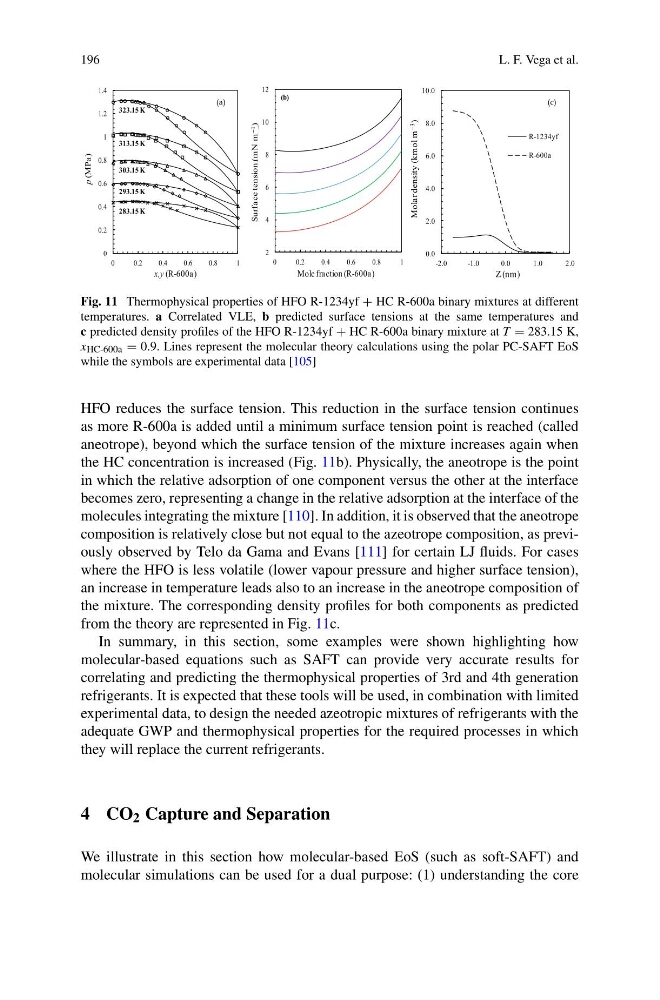
Fig. 11 Thermophysical properties of HFO R-1234yf + HC R-600a binary mixtures at different
temperatures. a Correlated VLE, b predicted surface tensions at the same temperatures and
c predicted density profiles of the HFO R-1234yf + HC R-600a binary mixture at T = 283.15 K,
x HC-600a = 0.9. Lines represent the molecular theory calculations using the polar PC-SAFT EoS
while the symbols are experimental data [105]
HFO reduces the surface tension. This reduction in the surface tension continues
as more R-600a is added until a minimum surface tension point is reached (called
aneotrope), beyond which the surface tension of the mixture increases again when
the HC concentration is increased (Fig. 11b). Physically, the aneotrope is the point
in which the relative adsorption of one component versus the other at the interface
becomes zero, representing a change in the relative adsorption at the interface of the
molecules integrating the mixture [110]. In addition, it is observed that the aneotrope
composition is relatively close but not equal to the azeotrope composition, as previously observed by Telo da Gama and Evans [111] for certain LJ fluids. For cases
where the HFO is less volatile (lower vapour pressure and higher surface tension),
an increase in temperature leads also to an increase in the aneotrope composition of
the mixture. The corresponding density profiles for both components as predicted
from the theory are represented in Fig. 11c.
In summary, in this section, some examples were shown highlighting how
molecular-based equations such as SAFT can provide very accurate results for
correlating and predicting the thermophysical properties of 3rd and 4th generation
refrigerants. It is expected that these tools will be used, in combination with limited
experimental data, to design the needed azeotropic mixtures of refrigerants with the
adequate GWP and thermophysical properties for the required processes in which
they will replace the current refrigerants.
4 CO 2 Capture and Separation
We illustrate in this section how molecular-based EoS (such as soft-SAFT) and
molecular simulations can be used for a dual purpose: (1) understanding the core
L. F. Vega et al.
Fig. 11 Thermophysical properties of HFO R-1234yf + HC R-600a binary mixtures at different
temperatures. a Correlated VLE, b predicted surface tensions at the same temperatures and
c predicted density profiles of the HFO R-1234yf + HC R-600a binary mixture at T = 283.15 K,
x HC-600a = 0.9. Lines represent the molecular theory calculations using the polar PC-SAFT EoS
while the symbols are experimental data [105]
HFO reduces the surface tension. This reduction in the surface tension continues
as more R-600a is added until a minimum surface tension point is reached (called
aneotrope), beyond which the surface tension of the mixture increases again when
the HC concentration is increased (Fig. 11b). Physically, the aneotrope is the point
in which the relative adsorption of one component versus the other at the interface
becomes zero, representing a change in the relative adsorption at the interface of the
molecules integrating the mixture [110]. In addition, it is observed that the aneotrope
composition is relatively close but not equal to the azeotrope composition, as previously observed by Telo da Gama and Evans [111] for certain LJ fluids. For cases
where the HFO is less volatile (lower vapour pressure and higher surface tension),
an increase in temperature leads also to an increase in the aneotrope composition of
the mixture. The corresponding density profiles for both components as predicted
from the theory are represented in Fig. 11c.
In summary, in this section, some examples were shown highlighting how
molecular-based equations such as SAFT can provide very accurate results for
correlating and predicting the thermophysical properties of 3rd and 4th generation
refrigerants. It is expected that these tools will be used, in combination with limited
experimental data, to design the needed azeotropic mixtures of refrigerants with the
adequate GWP and thermophysical properties for the required processes in which
they will replace the current refrigerants.
4 CO 2 Capture and Separation
We illustrate in this section how molecular-based EoS (such as soft-SAFT) and
molecular simulations can be used for a dual purpose: (1) understanding the core