

15 Sustainability Metrics in the Microalgae-Based …
385
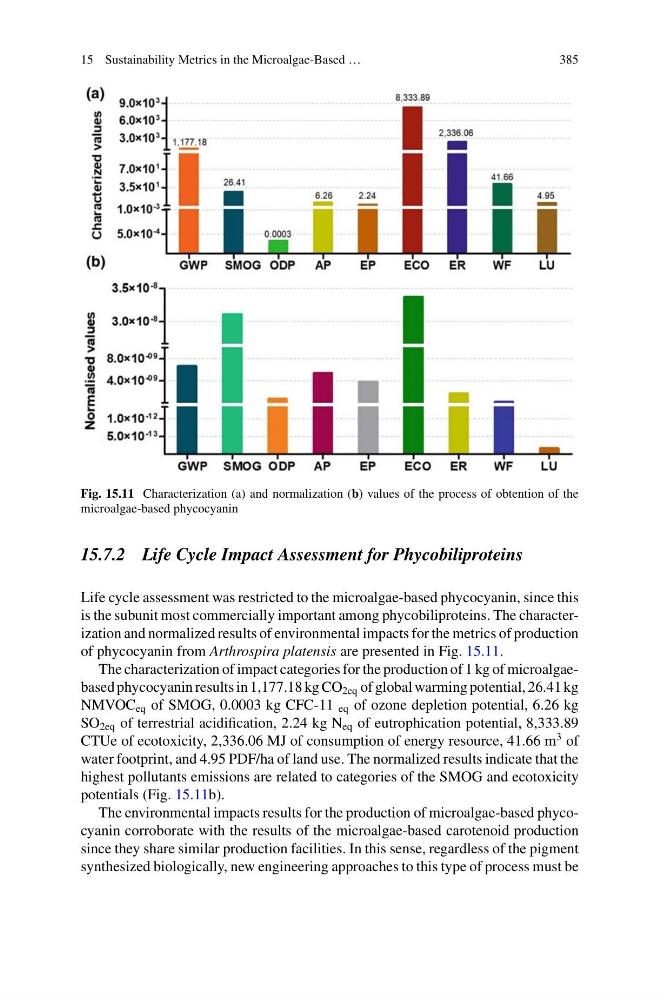
Fig. 15.11 Characterization (a) and normalization (b) values of the process of obtention of the
microalgae-based phycocyanin
15.7.2 Life Cycle Impact Assessment for Phycobiliproteins
Life cycle assessment was restricted to the microalgae-based phycocyanin, since this
is the subunit most commercially important among phycobiliproteins. The characterization and normalized results of environmental impacts for the metrics of production
of phycocyanin from Arthrospira platensis are presented in Fig. 15.11.
The characterization of impact categories for the production of 1 kg of microalgaebased phycocyanin results in 1,177.18 kg CO 2eq of global warming potential, 26.41 kg
NMVOC eq of SMOG, 0.0003 kg CFC-11 eq of ozone depletion potential, 6.26 kg
SO 2eq of terrestrial acidification, 2.24 kg N eq of eutrophication potential, 8,333.89
CTUe of ecotoxicity, 2,336.06 MJ of consumption of energy resource, 41.66 m
3 of
water footprint, and 4.95 PDF/ha of land use. The normalized results indicate that the
highest pollutants emissions are related to categories of the SMOG and ecotoxicity
potentials (Fig. 15.11b).
The environmental impacts results for the production of microalgae-based phycocyanin corroborate with the results of the microalgae-based carotenoid production
since they share similar production facilities. In this sense, regardless of the pigment
synthesized biologically, new engineering approaches to this type of process must be
385
Fig. 15.11 Characterization (a) and normalization (b) values of the process of obtention of the
microalgae-based phycocyanin
15.7.2 Life Cycle Impact Assessment for Phycobiliproteins
Life cycle assessment was restricted to the microalgae-based phycocyanin, since this
is the subunit most commercially important among phycobiliproteins. The characterization and normalized results of environmental impacts for the metrics of production
of phycocyanin from Arthrospira platensis are presented in Fig. 15.11.
The characterization of impact categories for the production of 1 kg of microalgaebased phycocyanin results in 1,177.18 kg CO 2eq of global warming potential, 26.41 kg
NMVOC eq of SMOG, 0.0003 kg CFC-11 eq of ozone depletion potential, 6.26 kg
SO 2eq of terrestrial acidification, 2.24 kg N eq of eutrophication potential, 8,333.89
CTUe of ecotoxicity, 2,336.06 MJ of consumption of energy resource, 41.66 m
3 of
water footprint, and 4.95 PDF/ha of land use. The normalized results indicate that the
highest pollutants emissions are related to categories of the SMOG and ecotoxicity
potentials (Fig. 15.11b).
The environmental impacts results for the production of microalgae-based phycocyanin corroborate with the results of the microalgae-based carotenoid production
since they share similar production facilities. In this sense, regardless of the pigment
synthesized biologically, new engineering approaches to this type of process must be