

84
R. Chen et al.
H
He
Li
Be
B
C
N
O
F
N e
Na
Mg
Al
Si
P
S
Cl
Ar
K
Ca
Sc
Ti
V
Cr
Mn
Fe
Co
Ni
Cu
Zn
Ga
Ge
As
Se
Br
Kr
R b
S r
Y
Z r
N b
M o
T c
R u
R h
P d
A g
C d
I n
S n
S b
T e
I
X e
Cs
Ba
LaLu
Hf
Ta
W
Re
Os
Ir
Pt
Au
Hg
Tl
Pb
Bi
Po
At
Rn
Fr
Ra
AcLr
Rf
Db
Sg
Bh
Hs
Mt
La
Ce
Pr
Nd
Pm
Sm
Eu
Gd
Tb
Dy
Ho
Er
Tm
Yb
Lu
Ac
Th
Pa
U
Np
Pu
Am
Cm
Bk
Cf
Es
Fm
Md
No
Lr
Used as catalyst
Metal oxide synthesized by ALD
1
2
3
4
5
6
7
8
9
10
11
12
13
14
15
16
17
18
19
20
21
22
23
24
25
26
27
28
29
30
31
32
33
34
35
36
37
38
39
40
41
42
43
44
45
46
47
48
49
50
51
52
53
54
55
56
57-71 72
73
74
75
76
77
78
79
80
81
82
83
84
85
86
87
88
89-103 104
105
106
107
108
109
57
58
59
60
61
62
63
64
65
66
67
68
69
70
71
89
90
91
92
93
94
95
96
97
98
99
100
101
102
103
3s 2
3s 2 3p 1
3d 2 4s 2
3d 3 4s 2
3d 5 4s 2
3d 6 4s 2
3d 7 4s 2
3d 8 4s 2
3d 10 4s 1
3d 10 4s 2
4d 2 5s 2
4d 4 5s 1
4d 7 5s 1
5s 2 5p 1
5d 2 6s 2
5d 4 6s 2
5d 1 6s 2
5d 1 6s 2
3d 5 4s 1
4s 2 4p 2
5s 2 5p 2
5d 3 6s 2
4s 2
3d 1 4s 2
4s 2 4p 1
5s 2
4d 1 5s 2
4f 3 6s 2
4f 4 6s 2
4f 6 6s 2
4f 7 6s 2
5d 1 6s 2
4f 10 6s 2
4f 11 6s 2
4f 12 6s 2
4f 13 6s 2
5d 1 6s 2
6s 2 6p 3
5s 2 5p 3
3s 2 3p 2
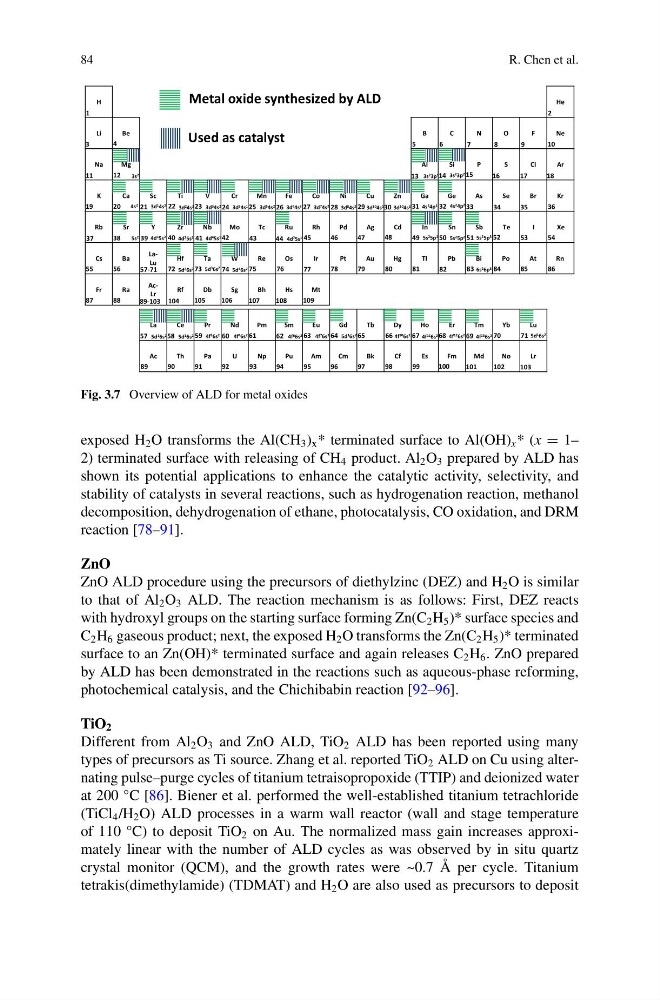
Fig. 3.7 Overview of ALD for metal oxides
exposed H 2 O transforms the Al(CH 3 ) x * terminated surface to Al(OH) x * (x = 1–
2) terminated surface with releasing of CH 4 product. Al 2 O 3 prepared by ALD has
shown its potential applications to enhance the catalytic activity, selectivity, and
stability of catalysts in several reactions, such as hydrogenation reaction, methanol
decomposition, dehydrogenation of ethane, photocatalysis, CO oxidation, and DRM
reaction [78–91].
ZnO
ZnO ALD procedure using the precursors of diethylzinc (DEZ) and H 2 O is similar
to that of Al 2 O 3 ALD. The reaction mechanism is as follows: First, DEZ reacts
with hydroxyl groups on the starting surface forming Zn(C 2 H 5 )* surface species and
C 2 H 6 gaseous product; next, the exposed H 2 O transforms the Zn(C 2 H 5 )* terminated
surface to an Zn(OH)* terminated surface and again releases C 2 H 6 . ZnO prepared
by ALD has been demonstrated in the reactions such as aqueous-phase reforming,
photochemical catalysis, and the Chichibabin reaction [92–96].
TiO 2
Different from Al 2 O 3 and ZnO ALD, TiO 2 ALD has been reported using many
types of precursors as Ti source. Zhang et al. reported TiO 2 ALD on Cu using alternating pulse–purge cycles of titanium tetraisopropoxide (TTIP) and deionized water
at 200 °C [86]. Biener et al. performed the well-established titanium tetrachloride
(TiCl 4 /H 2 O) ALD processes in a warm wall reactor (wall and stage temperature
of 110 °C) to deposit TiO 2 on Au. The normalized mass gain increases approximately linear with the number of ALD cycles as was observed by in situ quartz
crystal monitor (QCM), and the growth rates were ~0.7 Å per cycle. Titanium
tetrakis(dimethylamide) (TDMAT) and H 2 O are also used as precursors to deposit
R. Chen et al.
H
He
Li
Be
B
C
N
O
F
N e
Na
Mg
Al
Si
P
S
Cl
Ar
K
Ca
Sc
Ti
V
Cr
Mn
Fe
Co
Ni
Cu
Zn
Ga
Ge
As
Se
Br
Kr
R b
S r
Y
Z r
N b
M o
T c
R u
R h
P d
A g
C d
I n
S n
S b
T e
I
X e
Cs
Ba
LaLu
Hf
Ta
W
Re
Os
Ir
Pt
Au
Hg
Tl
Pb
Bi
Po
At
Rn
Fr
Ra
AcLr
Rf
Db
Sg
Bh
Hs
Mt
La
Ce
Pr
Nd
Pm
Sm
Eu
Gd
Tb
Dy
Ho
Er
Tm
Yb
Lu
Ac
Th
Pa
U
Np
Pu
Am
Cm
Bk
Cf
Es
Fm
Md
No
Lr
Used as catalyst
Metal oxide synthesized by ALD
1
2
3
4
5
6
7
8
9
10
11
12
13
14
15
16
17
18
19
20
21
22
23
24
25
26
27
28
29
30
31
32
33
34
35
36
37
38
39
40
41
42
43
44
45
46
47
48
49
50
51
52
53
54
55
56
57-71 72
73
74
75
76
77
78
79
80
81
82
83
84
85
86
87
88
89-103 104
105
106
107
108
109
57
58
59
60
61
62
63
64
65
66
67
68
69
70
71
89
90
91
92
93
94
95
96
97
98
99
100
101
102
103
3s 2
3s 2 3p 1
3d 2 4s 2
3d 3 4s 2
3d 5 4s 2
3d 6 4s 2
3d 7 4s 2
3d 8 4s 2
3d 10 4s 1
3d 10 4s 2
4d 2 5s 2
4d 4 5s 1
4d 7 5s 1
5s 2 5p 1
5d 2 6s 2
5d 4 6s 2
5d 1 6s 2
5d 1 6s 2
3d 5 4s 1
4s 2 4p 2
5s 2 5p 2
5d 3 6s 2
4s 2
3d 1 4s 2
4s 2 4p 1
5s 2
4d 1 5s 2
4f 3 6s 2
4f 4 6s 2
4f 6 6s 2
4f 7 6s 2
5d 1 6s 2
4f 10 6s 2
4f 11 6s 2
4f 12 6s 2
4f 13 6s 2
5d 1 6s 2
6s 2 6p 3
5s 2 5p 3
3s 2 3p 2
Fig. 3.7 Overview of ALD for metal oxides
exposed H 2 O transforms the Al(CH 3 ) x * terminated surface to Al(OH) x * (x = 1–
2) terminated surface with releasing of CH 4 product. Al 2 O 3 prepared by ALD has
shown its potential applications to enhance the catalytic activity, selectivity, and
stability of catalysts in several reactions, such as hydrogenation reaction, methanol
decomposition, dehydrogenation of ethane, photocatalysis, CO oxidation, and DRM
reaction [78–91].
ZnO
ZnO ALD procedure using the precursors of diethylzinc (DEZ) and H 2 O is similar
to that of Al 2 O 3 ALD. The reaction mechanism is as follows: First, DEZ reacts
with hydroxyl groups on the starting surface forming Zn(C 2 H 5 )* surface species and
C 2 H 6 gaseous product; next, the exposed H 2 O transforms the Zn(C 2 H 5 )* terminated
surface to an Zn(OH)* terminated surface and again releases C 2 H 6 . ZnO prepared
by ALD has been demonstrated in the reactions such as aqueous-phase reforming,
photochemical catalysis, and the Chichibabin reaction [92–96].
TiO 2
Different from Al 2 O 3 and ZnO ALD, TiO 2 ALD has been reported using many
types of precursors as Ti source. Zhang et al. reported TiO 2 ALD on Cu using alternating pulse–purge cycles of titanium tetraisopropoxide (TTIP) and deionized water
at 200 °C [86]. Biener et al. performed the well-established titanium tetrachloride
(TiCl 4 /H 2 O) ALD processes in a warm wall reactor (wall and stage temperature
of 110 °C) to deposit TiO 2 on Au. The normalized mass gain increases approximately linear with the number of ALD cycles as was observed by in situ quartz
crystal monitor (QCM), and the growth rates were ~0.7 Å per cycle. Titanium
tetrakis(dimethylamide) (TDMAT) and H 2 O are also used as precursors to deposit