

14
dissolution rate are excreted by the digestive system without reaching the lesion. To
solve these problems, nanotechnological methodologies have managed to load
micromolecular drugs to improve their solubility and bioavailability. In recent
years, nanoencapsulated micromolecular drugs in PLGA-based systems have been
extensively studied, and these nanosystems have achieved better biocompatibility
and bioavailability, e.g. curcumin is a natural anti-cancer drug, which has been
encapsulated in PLGA-based nanosystems to investigate its antitumor activity
(Esmaili et al. 2018). Farajzadeh et al. (2018) prepared metformin and curcumin
loaded PLGA/PEG nanosystems to synergistically inhibit the growth and hTERT
gene expression in human breast cancer cells. Khan et al. (2018) and Tavakoli et al.
(2018) used the PLGA/PEG nanoparticles to load curcumin and chrysin to treat the
C57B16 mice with B16F10 melanoma tumors, and nanosystems showed a promising and convenient approach to improve their efficiency in melanoma cancer therapy. Davoudi et al. (2018) prepared 5-aminosalicylic acid (5-ASA) containing
PLGA nanoparticles for the treatment of inflammatory bowel diseases and showed
a high drug availability and treatment efficacy. Roque et al. (2018) used several
polymers such as PLGA to prepare toothpaste and an oral gel pack with Nystatin,
finding a prolonged release and a high adhesion capacity to the oral mucosa when
compared to free Nystatin. PLGA nanosystems have also been shown to have outstanding antitumor performance, especially for paclitaxel transfer.
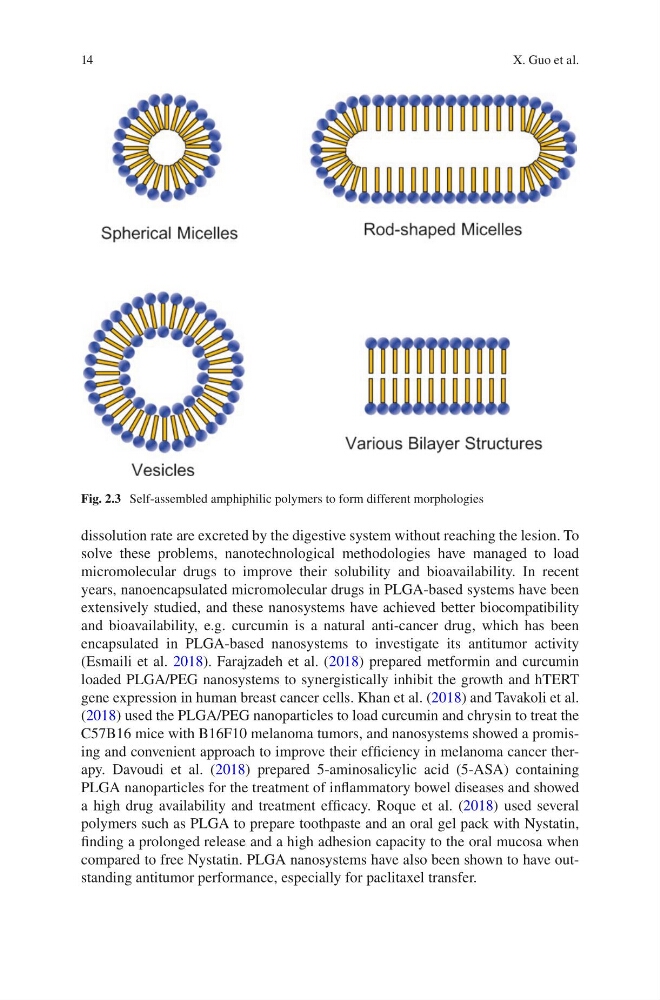
Fig. 2.3 Self-assembled amphiphilic polymers to form different morphologies
X. Guo et al.
dissolution rate are excreted by the digestive system without reaching the lesion. To
solve these problems, nanotechnological methodologies have managed to load
micromolecular drugs to improve their solubility and bioavailability. In recent
years, nanoencapsulated micromolecular drugs in PLGA-based systems have been
extensively studied, and these nanosystems have achieved better biocompatibility
and bioavailability, e.g. curcumin is a natural anti-cancer drug, which has been
encapsulated in PLGA-based nanosystems to investigate its antitumor activity
(Esmaili et al. 2018). Farajzadeh et al. (2018) prepared metformin and curcumin
loaded PLGA/PEG nanosystems to synergistically inhibit the growth and hTERT
gene expression in human breast cancer cells. Khan et al. (2018) and Tavakoli et al.
(2018) used the PLGA/PEG nanoparticles to load curcumin and chrysin to treat the
C57B16 mice with B16F10 melanoma tumors, and nanosystems showed a promising and convenient approach to improve their efficiency in melanoma cancer therapy. Davoudi et al. (2018) prepared 5-aminosalicylic acid (5-ASA) containing
PLGA nanoparticles for the treatment of inflammatory bowel diseases and showed
a high drug availability and treatment efficacy. Roque et al. (2018) used several
polymers such as PLGA to prepare toothpaste and an oral gel pack with Nystatin,
finding a prolonged release and a high adhesion capacity to the oral mucosa when
compared to free Nystatin. PLGA nanosystems have also been shown to have outstanding antitumor performance, especially for paclitaxel transfer.
Fig. 2.3 Self-assembled amphiphilic polymers to form different morphologies
X. Guo et al.