

(e) Press the disk down to the bottom of the tip gently until it
is firmly wedged there.
(f) Add as many disks as necessary—each disk binds about
5μg of peptides.
5. Reduction.
Do not heat the samples above 35
C during protein
solubilization and digestion; high concentration of urea will
lead to the carbamylation of free amino groups.
6. Predigestion and Tryptic Digestion.
Before predigestion and tryptic digestion, make sure the
sample is at pH 8.
7. Desalting.
(a) The stage tip must not dry out until the sample is loaded
on the tip.
(b) Do not forget to empty the flow-through out of the
Eppendorf when necessary.
(c) Good practice is to retain the loading flow-through.
(d) If you have a problem sample, you can add additional
washes here.
(e) Ensure all the liquid passes through the tip.
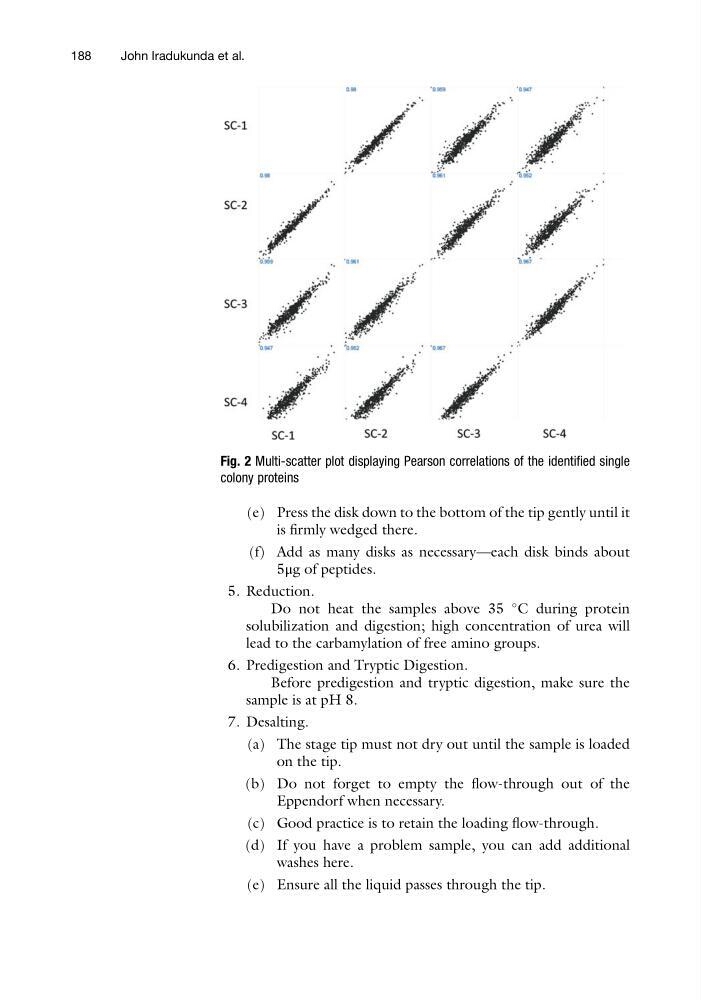
Fig. 2 Multi-scatter plot displaying Pearson correlations of the identified single
colony proteins
188
John Iradukunda et al.
is firmly wedged there.
(f) Add as many disks as necessary—each disk binds about
5μg of peptides.
5. Reduction.
Do not heat the samples above 35
C during protein
solubilization and digestion; high concentration of urea will
lead to the carbamylation of free amino groups.
6. Predigestion and Tryptic Digestion.
Before predigestion and tryptic digestion, make sure the
sample is at pH 8.
7. Desalting.
(a) The stage tip must not dry out until the sample is loaded
on the tip.
(b) Do not forget to empty the flow-through out of the
Eppendorf when necessary.
(c) Good practice is to retain the loading flow-through.
(d) If you have a problem sample, you can add additional
washes here.
(e) Ensure all the liquid passes through the tip.
Fig. 2 Multi-scatter plot displaying Pearson correlations of the identified single
colony proteins
188
John Iradukunda et al.