

over time (Taylor et al. 2015). Alien taxa are introduced to game farms to increase the
attractiveness of the property to both tourists and hunters (Taylor et al. 2015; Faulkner
and Wilson 2018), and eleven new alien taxa were introduced to South Africa for
hunting between 2000 and 2011 (see Appendix 2 in van Wilgen and Wilson 2018).
Organisms are, however, not only being introduced through some pathways at an
increasing rate, but some taxa are being introduced repeatedly and in some instances
from multiple sources. For example, hundreds of medicinal plants, most of which are
alien to South Africa, are imported into the country by immigrants from China, India,
Nigeria, Ghana, Somalia, Ethiopia, Eritrea and the Democratic Republic of Congo
(Byrne et al. 2017; Burness 2019). Many of these plants are imported in the form of
viable propagules, with multiple immigrant groups importing the same medicinal
plants, but from different parts of the world (Fig. 12.10). The repeated introduction
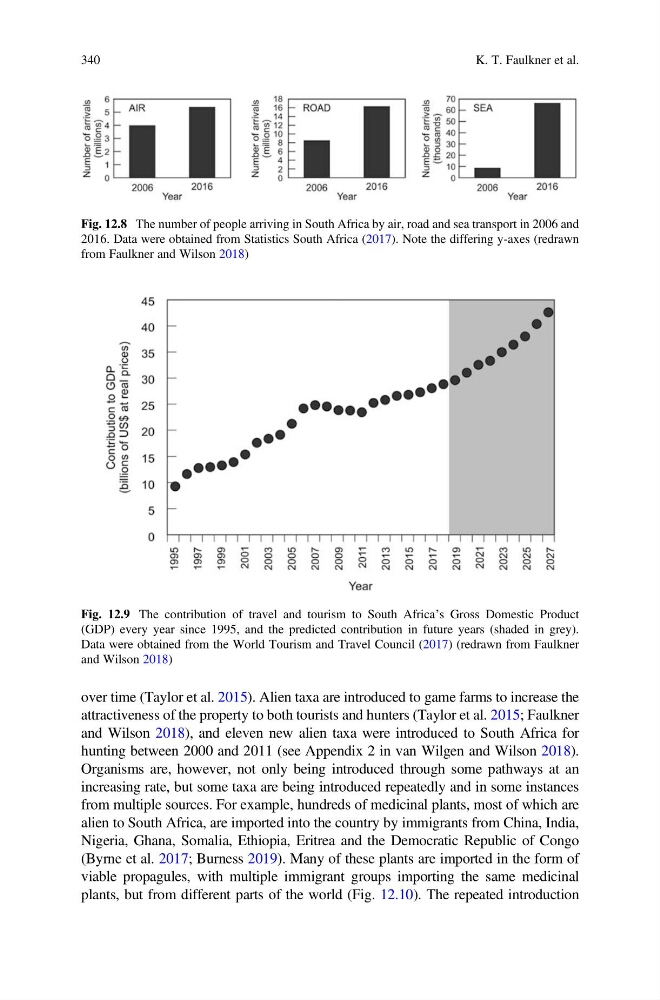
Fig. 12.9 The contribution of travel and tourism to South Africa’s Gross Domestic Product
(GDP) every year since 1995, and the predicted contribution in future years (shaded in grey).
Data were obtained from the World Tourism and Travel Council (2017) (redrawn from Faulkner
and Wilson 2018)
Fig. 12.8 The number of people arriving in South Africa by air, road and sea transport in 2006 and
2016. Data were obtained from Statistics South Africa (2017). Note the differing y-axes (redrawn
from Faulkner and Wilson 2018)
340
K. T. Faulkner et al.
attractiveness of the property to both tourists and hunters (Taylor et al. 2015; Faulkner
and Wilson 2018), and eleven new alien taxa were introduced to South Africa for
hunting between 2000 and 2011 (see Appendix 2 in van Wilgen and Wilson 2018).
Organisms are, however, not only being introduced through some pathways at an
increasing rate, but some taxa are being introduced repeatedly and in some instances
from multiple sources. For example, hundreds of medicinal plants, most of which are
alien to South Africa, are imported into the country by immigrants from China, India,
Nigeria, Ghana, Somalia, Ethiopia, Eritrea and the Democratic Republic of Congo
(Byrne et al. 2017; Burness 2019). Many of these plants are imported in the form of
viable propagules, with multiple immigrant groups importing the same medicinal
plants, but from different parts of the world (Fig. 12.10). The repeated introduction
Fig. 12.9 The contribution of travel and tourism to South Africa’s Gross Domestic Product
(GDP) every year since 1995, and the predicted contribution in future years (shaded in grey).
Data were obtained from the World Tourism and Travel Council (2017) (redrawn from Faulkner
and Wilson 2018)
Fig. 12.8 The number of people arriving in South Africa by air, road and sea transport in 2006 and
2016. Data were obtained from Statistics South Africa (2017). Note the differing y-axes (redrawn
from Faulkner and Wilson 2018)
340
K. T. Faulkner et al.