

Despite their isolation and their harsh climates, sub-Antarctic islands, including
the PEIs, have not remained unaffected by humans, and biological invasions have
had a major impact on their ecology. Indeed, it has been established that whereas
sub-Antarctic islands with milder temperatures tend to support more invasive species
(Chown et al. 1998; Leihy et al. 2018), the harsh climate of these islands does not
provide a barrier to the survival of a significant number of global invaders (Steyn
2017; Duffy et al. 2017).
8.2 Human Activities at the Prince Edward Islands
The introduction of alien species is closely linked to the human history of the PEIs.
The earliest recorded human landings of the PEIs were in the early nineteenth
century, when exploitation of seals for commercial gain commenced (Cooper
2008). For the next 50 years, sealing activities on the islands were fairly intense.
The presence of one of the first invasive species, Mus musculus (House Mouse), was
recorded in writings from this time (Cooper 2008), and several plant species were
also introduced during this period (le Roux et al. 2013b). By the middle of the
nineteenth century, however, seal populations had been greatly reduced, which
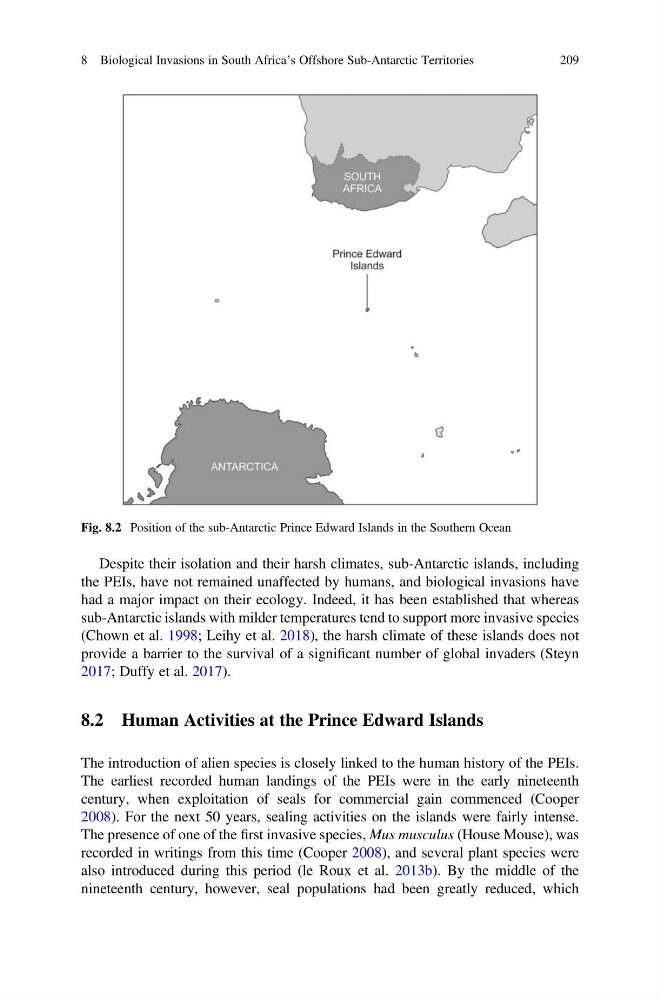
Fig. 8.2 Position of the sub-Antarctic Prince Edward Islands in the Southern Ocean
8 Biological Invasions in South Africa’s Offshore Sub-Antarctic Territories
209
the PEIs, have not remained unaffected by humans, and biological invasions have
had a major impact on their ecology. Indeed, it has been established that whereas
sub-Antarctic islands with milder temperatures tend to support more invasive species
(Chown et al. 1998; Leihy et al. 2018), the harsh climate of these islands does not
provide a barrier to the survival of a significant number of global invaders (Steyn
2017; Duffy et al. 2017).
8.2 Human Activities at the Prince Edward Islands
The introduction of alien species is closely linked to the human history of the PEIs.
The earliest recorded human landings of the PEIs were in the early nineteenth
century, when exploitation of seals for commercial gain commenced (Cooper
2008). For the next 50 years, sealing activities on the islands were fairly intense.
The presence of one of the first invasive species, Mus musculus (House Mouse), was
recorded in writings from this time (Cooper 2008), and several plant species were
also introduced during this period (le Roux et al. 2013b). By the middle of the
nineteenth century, however, seal populations had been greatly reduced, which
Fig. 8.2 Position of the sub-Antarctic Prince Edward Islands in the Southern Ocean
8 Biological Invasions in South Africa’s Offshore Sub-Antarctic Territories
209