

washing procedures and fluorescent dyes. The usefulness of these techniques in the
clinic is limited owing to their high cost and poor reproducibility [69].
3.1.3 Next-Generation Sequencing
NGS, or second-generation sequencing, is characterized by high throughput and low
cost. Currently, the most widely used sequencing systems for NGS are 454 (Roche),
Ion Torrent sequencing platform (Life Technologies, Invitrogen), Illumina Genome
Analyzer (Illumina) and SOLiD (Life Technologies Corporation). The basics of
miRNA NGS are the same as in DNA or RNA sequencing. The NGS procedure for
miRNA sequencing is divided into four phases: library preparation, sequencing, data
analysis and biological interpretation. However, the various systems differ in some
aspects of library preparation, such as enrichment by gel electrophoresis and choice
of adapters/primers, and in data analysis. Sets of tools are available for the analysis
of miRNA expression profiles, including CAP-miRSeq [70], mirTools 2.0 [71],
sRNAtoolbox [72] and miARma-Seq [73]. In miRNA profiling, NGS technologies
present additional advantages compared to microarray technologies, such as:
• High resolution: identification of single-base variants in the miRNA sequence.
• High throughout: de novo miRNA can be discovered.
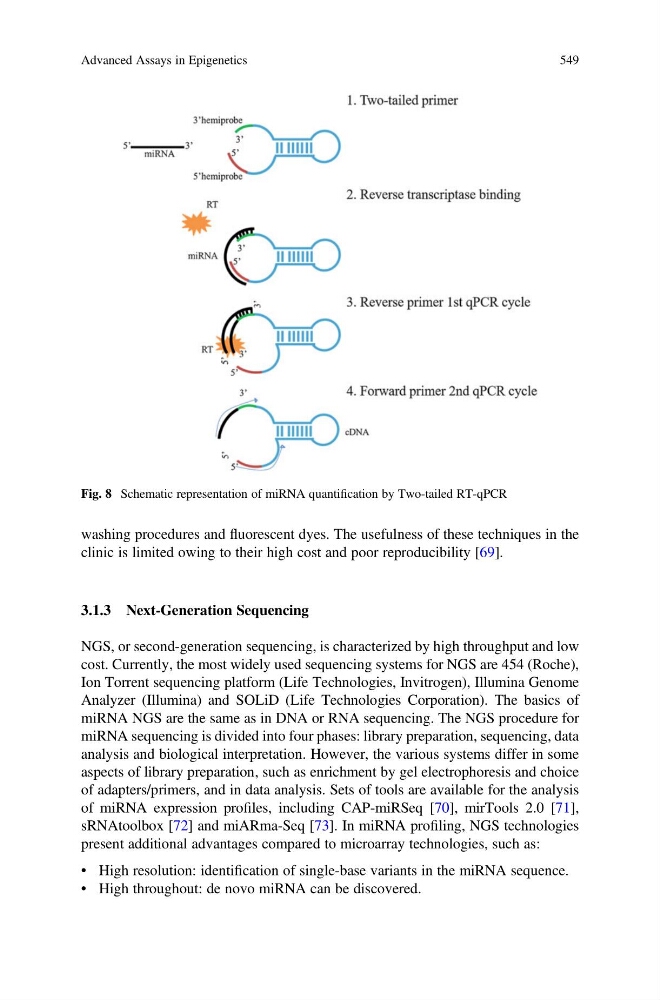
Fig. 8 Schematic representation of miRNA quantification by Two-tailed RT-qPCR
Advanced Assays in Epigenetics
549
clinic is limited owing to their high cost and poor reproducibility [69].
3.1.3 Next-Generation Sequencing
NGS, or second-generation sequencing, is characterized by high throughput and low
cost. Currently, the most widely used sequencing systems for NGS are 454 (Roche),
Ion Torrent sequencing platform (Life Technologies, Invitrogen), Illumina Genome
Analyzer (Illumina) and SOLiD (Life Technologies Corporation). The basics of
miRNA NGS are the same as in DNA or RNA sequencing. The NGS procedure for
miRNA sequencing is divided into four phases: library preparation, sequencing, data
analysis and biological interpretation. However, the various systems differ in some
aspects of library preparation, such as enrichment by gel electrophoresis and choice
of adapters/primers, and in data analysis. Sets of tools are available for the analysis
of miRNA expression profiles, including CAP-miRSeq [70], mirTools 2.0 [71],
sRNAtoolbox [72] and miARma-Seq [73]. In miRNA profiling, NGS technologies
present additional advantages compared to microarray technologies, such as:
• High resolution: identification of single-base variants in the miRNA sequence.
• High throughout: de novo miRNA can be discovered.
Fig. 8 Schematic representation of miRNA quantification by Two-tailed RT-qPCR
Advanced Assays in Epigenetics
549