

197
The two largest uses of primary energy are as fuel for the generation of electricity and as fuel for transportation. While nearly all primary energy sources can be
converted into electricity, transportation fuels are dominated (over 95%) by
petroleum-based fuels. The near-monopoly of petroleum-based fuels for
transportation means that it is impossible to mitigate significant shortages, except
through reduced consumption. Thus, petroleum is considered a strategic commodity
for nearly all societies, and its trade significant to energy security. However, there
may be a significant transition to electrification of transportation during the coming
decades. If that occurs, petroleum will lose much of its strategic importance.
Figure 7.5 shows primary energy consumption by modern fuel source.
Consumption of traditional forms of biomass such as wood, charcoal, peat, and
animal waste are not included. Prior to the industrial revolution, almost everyone on
the planet received nearly all of their energy from traditional biomass. Today
traditional biomass still accounts for an estimated 8% of primary energy
consumption.
In 2017, fossil fuels accounted for 85% of primary energy consumption (oil
34%, coal 28%, and natural gas 23%), renewables accounted for 11% (hydropower
7%, others 4%), while nuclear power provided 4%. The climate change consequences
of such dominance of fossil fuels are explored in Chap. 11.
The non-transportation energy use of countries is strongly influenced by the
sources of energy that are domestically available. China, India, and Indonesia all
produce and consume large amounts of coal. However, Indonesia also produces
large amounts of oil and natural gas, which are reflected in high levels of use and
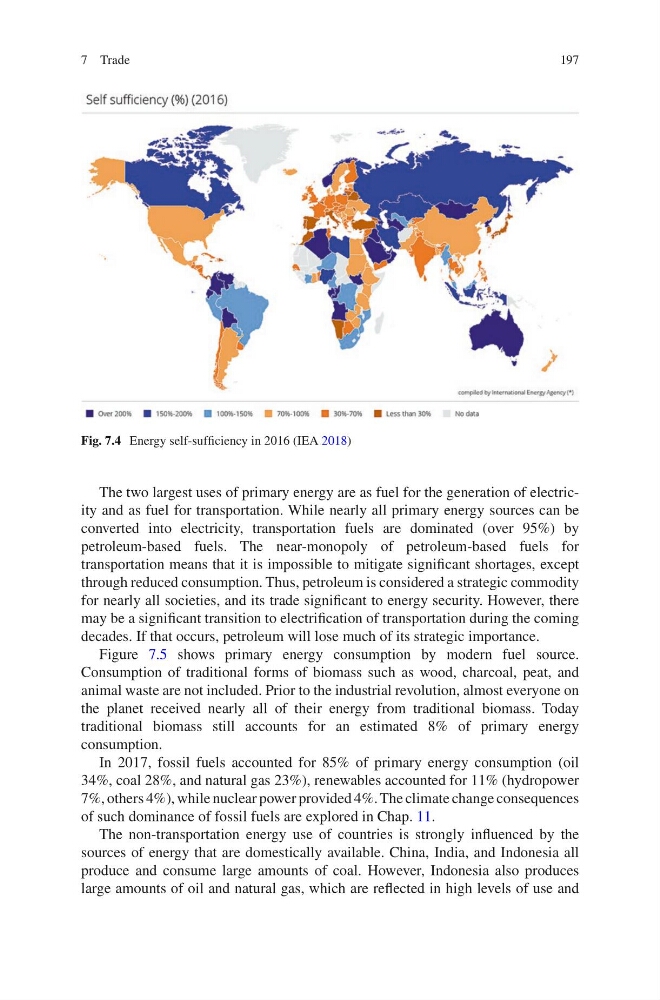
Fig. 7.4 Energy self-sufficiency in 2016 (IEA 2018)
7 Trade
The two largest uses of primary energy are as fuel for the generation of electricity and as fuel for transportation. While nearly all primary energy sources can be
converted into electricity, transportation fuels are dominated (over 95%) by
petroleum-based fuels. The near-monopoly of petroleum-based fuels for
transportation means that it is impossible to mitigate significant shortages, except
through reduced consumption. Thus, petroleum is considered a strategic commodity
for nearly all societies, and its trade significant to energy security. However, there
may be a significant transition to electrification of transportation during the coming
decades. If that occurs, petroleum will lose much of its strategic importance.
Figure 7.5 shows primary energy consumption by modern fuel source.
Consumption of traditional forms of biomass such as wood, charcoal, peat, and
animal waste are not included. Prior to the industrial revolution, almost everyone on
the planet received nearly all of their energy from traditional biomass. Today
traditional biomass still accounts for an estimated 8% of primary energy
consumption.
In 2017, fossil fuels accounted for 85% of primary energy consumption (oil
34%, coal 28%, and natural gas 23%), renewables accounted for 11% (hydropower
7%, others 4%), while nuclear power provided 4%. The climate change consequences
of such dominance of fossil fuels are explored in Chap. 11.
The non-transportation energy use of countries is strongly influenced by the
sources of energy that are domestically available. China, India, and Indonesia all
produce and consume large amounts of coal. However, Indonesia also produces
large amounts of oil and natural gas, which are reflected in high levels of use and
Fig. 7.4 Energy self-sufficiency in 2016 (IEA 2018)
7 Trade