

208
tainable development goals has been presented
most comprehensively by Monkelbaan (2019).
The present book is intended to emphasise two
levels of control, the roles of global and national
institutes because in the opinion of the authors
harmonising the two levels of control could help
most the realisation of sustainable development.
The present book intends not to present the institutional system in detail only the importance of
the relationship between global and national
institutes is highlighted.
The operation of the society is regulated on
the one hand by international conventions of economic nature, like conventions of more than 150
member states of World Trade Organisation
(WTO) of the UN. And on the other hand, international conventions established by other specialised institutes or other in part independent
organisations and programmes of the UN control
non-economic activities as well. The UNEP
belongs to these trying to harmonise environmental protection at a global level since 1972 as the
initiator, managing agent and trustee of numerous international conventions and reports.
International conventions associated with
environmental protection are generally framework conventions the particular obligations in
relation to which are recorded in a report via further discussions ratified by national parliaments.
From that on they become compulsory for the
given nation.
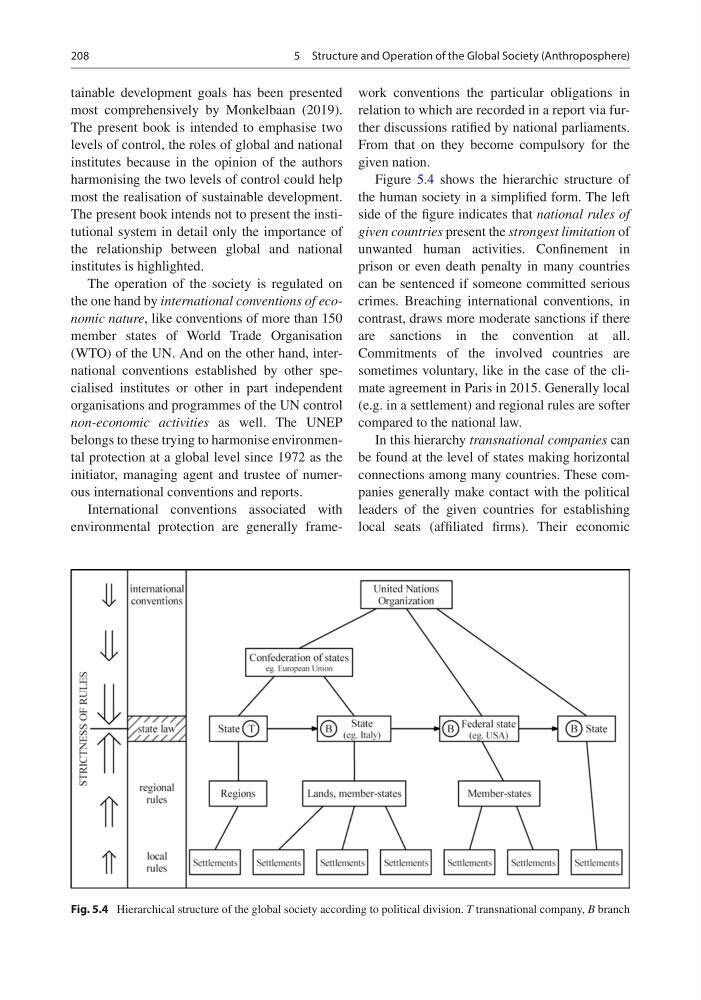
Figure 5.4 shows the hierarchic structure of
the human society in a simplified form. The left
side of the figure indicates that national rules of
given countries present the strongest limitation of
unwanted human activities. Confinement in
prison or even death penalty in many countries
can be sentenced if someone committed serious
crimes. Breaching international conventions, in
contrast, draws more moderate sanctions if there
are sanctions in the convention at all.
Commitments of the involved countries are
sometimes voluntary, like in the case of the climate agreement in Paris in 2015. Generally local
(e.g. in a settlement) and regional rules are softer
compared to the national law.
In this hierarchy transnational companies can
be found at the level of states making horizontal
connections among many countries. These companies generally make contact with the political
leaders of the given countries for establishing
local seats (affiliated firms). Their economic
Fig. 5.4 Hierarchical structure of the global society according to political division. T transnational company, B branch
5 Structure and Operation of the Global Society (Anthroposphere)
tainable development goals has been presented
most comprehensively by Monkelbaan (2019).
The present book is intended to emphasise two
levels of control, the roles of global and national
institutes because in the opinion of the authors
harmonising the two levels of control could help
most the realisation of sustainable development.
The present book intends not to present the institutional system in detail only the importance of
the relationship between global and national
institutes is highlighted.
The operation of the society is regulated on
the one hand by international conventions of economic nature, like conventions of more than 150
member states of World Trade Organisation
(WTO) of the UN. And on the other hand, international conventions established by other specialised institutes or other in part independent
organisations and programmes of the UN control
non-economic activities as well. The UNEP
belongs to these trying to harmonise environmental protection at a global level since 1972 as the
initiator, managing agent and trustee of numerous international conventions and reports.
International conventions associated with
environmental protection are generally framework conventions the particular obligations in
relation to which are recorded in a report via further discussions ratified by national parliaments.
From that on they become compulsory for the
given nation.
Figure 5.4 shows the hierarchic structure of
the human society in a simplified form. The left
side of the figure indicates that national rules of
given countries present the strongest limitation of
unwanted human activities. Confinement in
prison or even death penalty in many countries
can be sentenced if someone committed serious
crimes. Breaching international conventions, in
contrast, draws more moderate sanctions if there
are sanctions in the convention at all.
Commitments of the involved countries are
sometimes voluntary, like in the case of the climate agreement in Paris in 2015. Generally local
(e.g. in a settlement) and regional rules are softer
compared to the national law.
In this hierarchy transnational companies can
be found at the level of states making horizontal
connections among many countries. These companies generally make contact with the political
leaders of the given countries for establishing
local seats (affiliated firms). Their economic
Fig. 5.4 Hierarchical structure of the global society according to political division. T transnational company, B branch
5 Structure and Operation of the Global Society (Anthroposphere)