

93
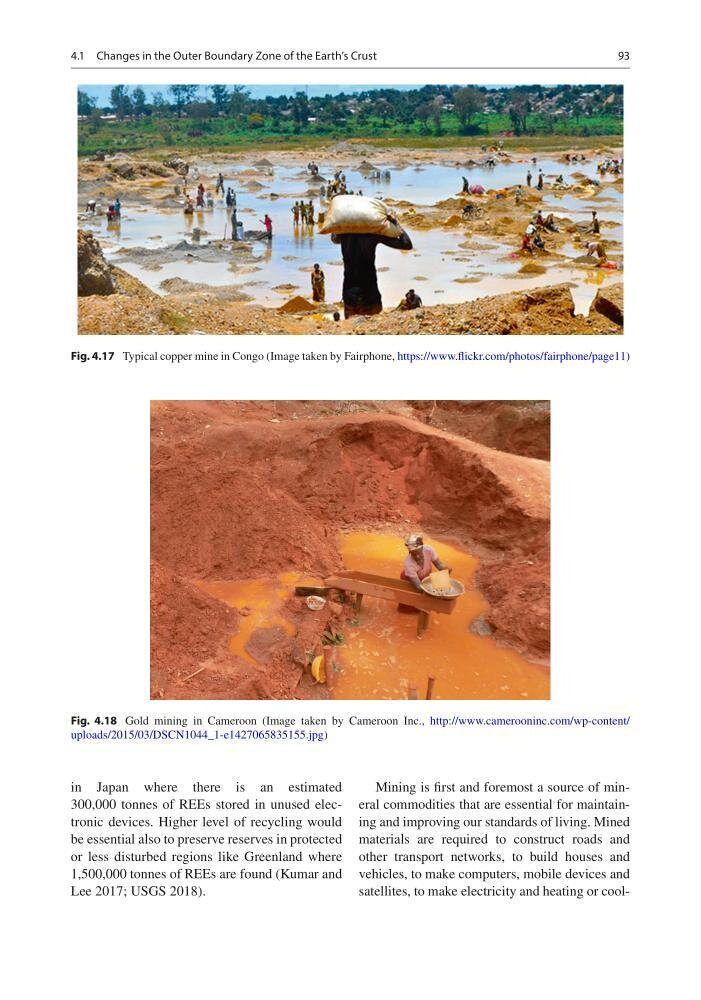
Fig. 4.17 Typical copper mine in Congo (Image taken by Fairphone, https://www.flickr.com/photos/fairphone/page11)
Fig. 4.18 Gold mining in Cameroon (Image taken by Cameroon Inc., http://www.camerooninc.com/wp-content/
uploads/2015/03/DSCN1044_1-e1427065835155.jpg)
in Japan where there is an estimated
300,000 tonnes of REEs stored in unused electronic devices. Higher level of recycling would
be essential also to preserve reserves in protected
or less disturbed regions like Greenland where
1,500,000 tonnes of REEs are found (Kumar and
Lee 2017; USGS 2018).
Mining is first and foremost a source of mineral commodities that are essential for maintaining and improving our standards of living. Mined
materials are required to construct roads and
other transport networks, to build houses and
vehicles, to make computers, mobile devices and
satellites, to make electricity and heating or cool4.1 Changes in the Outer Boundary Zone of the Earth’s Crust
Fig. 4.17 Typical copper mine in Congo (Image taken by Fairphone, https://www.flickr.com/photos/fairphone/page11)
Fig. 4.18 Gold mining in Cameroon (Image taken by Cameroon Inc., http://www.camerooninc.com/wp-content/
uploads/2015/03/DSCN1044_1-e1427065835155.jpg)
in Japan where there is an estimated
300,000 tonnes of REEs stored in unused electronic devices. Higher level of recycling would
be essential also to preserve reserves in protected
or less disturbed regions like Greenland where
1,500,000 tonnes of REEs are found (Kumar and
Lee 2017; USGS 2018).
Mining is first and foremost a source of mineral commodities that are essential for maintaining and improving our standards of living. Mined
materials are required to construct roads and
other transport networks, to build houses and
vehicles, to make computers, mobile devices and
satellites, to make electricity and heating or cool4.1 Changes in the Outer Boundary Zone of the Earth’s Crust