

89
Box 4.1 Fukushima Catastrophe
Prior to 2011 Japan generated 30% of its electricity using nuclear power and that share was
planned to be increased to 40%. Nuclear
energy was a strategic priority in Japan. As of
2018, there are 42 reactors in Japan that could
be operated, however, currently only 8 reactors in 5 power plants are in operation (WNA
2019b).
On 11th March 2011 the fourth largest
ever earthquake with a magnitude of 9.0 on
Richter’s scale shook the ground off the
Japanese coast as a result of the subduction
of the Pacific lithospheric plate under the
Eurasian plate. Although all power plants in
Japan successfully withstood the shaking of
the ground, the following tsunami caused
failure of the cooling systems at the
Fukushima I Nuclear Power Plant causing
the first ever nuclear emergency in Japan
(Fig. 4.14). The disaster was the second
event after the Chernobyl catastrophe to be
given level 7 event classification on the
International Nuclear Event Scale (IAEA
2018a). Although there were no fatalities as
direct consequence of the disaster, a relatively high number of casualties occurred in
the course of the evacuation of more than
100,000 people. The risk of radioactive pollution is greatest considering groundwater as
the plant operator company has been unable
to hinder groundwater inflow into the nuclear
reactors so far. One of the specifics of nuclear
disasters is that even though the power plants
yield no profit any more after the events,
high costs have to be met to maintain the
containment of the power plant to impede
radioactive radiation release and to maintain
the cooling system of the reactors for long
decades or even centuries.
As a result of the Fukushima event, all
Japan’s nuclear power plants were closed or
suspended for safety revisions. With the suspension of the last plant on 5th May 2012
Japan was left completely without nuclearbased electricity for the first time since 1970.
Public attitude towards nuclear safety was
significantly damaged by the events and there
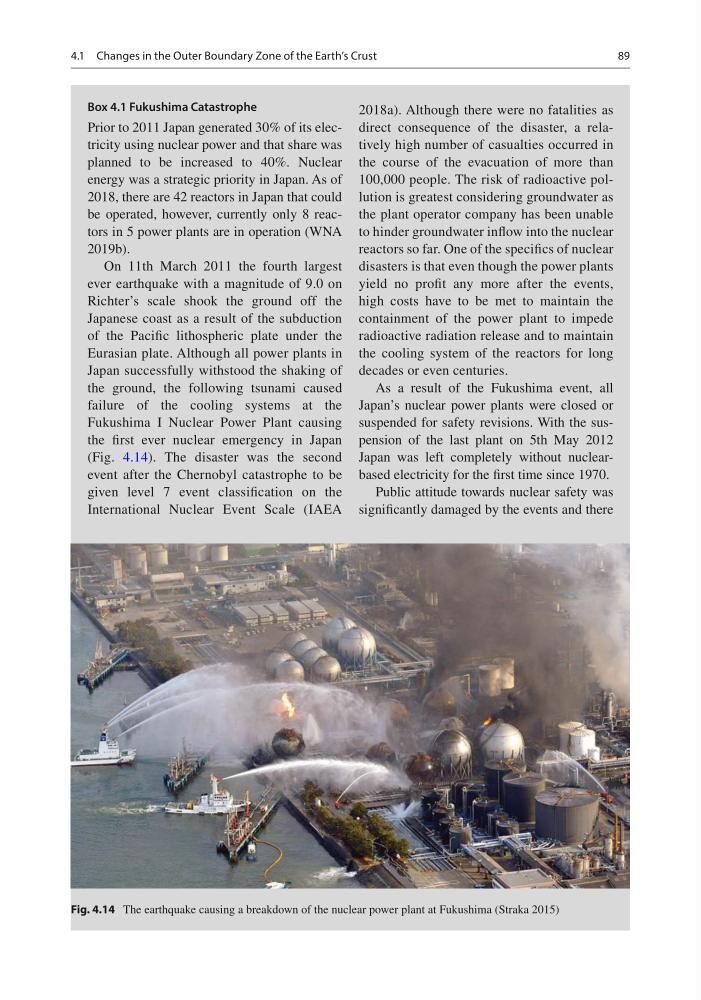
Fig. 4.14 The earthquake causing a breakdown of the nuclear power plant at Fukushima (Straka 2015)
4.1 Changes in the Outer Boundary Zone of the Earth’s Crust
Box 4.1 Fukushima Catastrophe
Prior to 2011 Japan generated 30% of its electricity using nuclear power and that share was
planned to be increased to 40%. Nuclear
energy was a strategic priority in Japan. As of
2018, there are 42 reactors in Japan that could
be operated, however, currently only 8 reactors in 5 power plants are in operation (WNA
2019b).
On 11th March 2011 the fourth largest
ever earthquake with a magnitude of 9.0 on
Richter’s scale shook the ground off the
Japanese coast as a result of the subduction
of the Pacific lithospheric plate under the
Eurasian plate. Although all power plants in
Japan successfully withstood the shaking of
the ground, the following tsunami caused
failure of the cooling systems at the
Fukushima I Nuclear Power Plant causing
the first ever nuclear emergency in Japan
(Fig. 4.14). The disaster was the second
event after the Chernobyl catastrophe to be
given level 7 event classification on the
International Nuclear Event Scale (IAEA
2018a). Although there were no fatalities as
direct consequence of the disaster, a relatively high number of casualties occurred in
the course of the evacuation of more than
100,000 people. The risk of radioactive pollution is greatest considering groundwater as
the plant operator company has been unable
to hinder groundwater inflow into the nuclear
reactors so far. One of the specifics of nuclear
disasters is that even though the power plants
yield no profit any more after the events,
high costs have to be met to maintain the
containment of the power plant to impede
radioactive radiation release and to maintain
the cooling system of the reactors for long
decades or even centuries.
As a result of the Fukushima event, all
Japan’s nuclear power plants were closed or
suspended for safety revisions. With the suspension of the last plant on 5th May 2012
Japan was left completely without nuclearbased electricity for the first time since 1970.
Public attitude towards nuclear safety was
significantly damaged by the events and there
Fig. 4.14 The earthquake causing a breakdown of the nuclear power plant at Fukushima (Straka 2015)
4.1 Changes in the Outer Boundary Zone of the Earth’s Crust