

Other Food Protection Methods
465
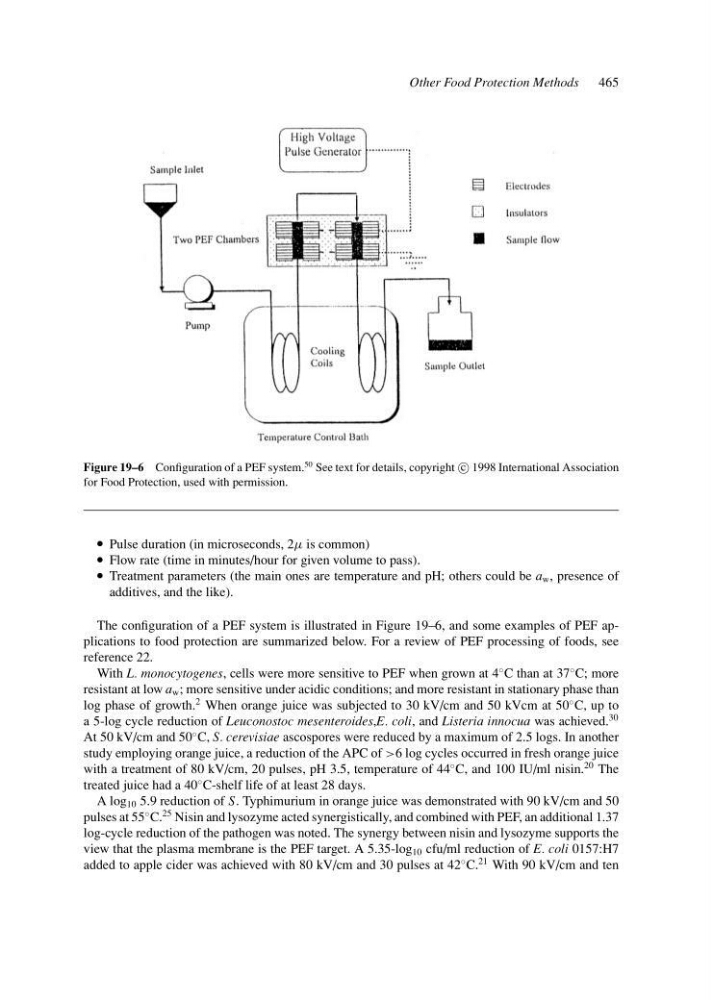
Figure 19–6 Configuration of a PEF system.
50 See text for details, copyright c
1998 International Association
for Food Protection, used with permission.
• Pulse duration (in microseconds, 2µ is common)
• Flow rate (time in minutes/hour for given volume to pass).
• Treatment parameters (the main ones are temperature and pH; others could be a w , presence of
additives, and the like).
The configuration of a PEF system is illustrated in Figure 19–6, and some examples of PEF applications to food protection are summarized below. For a review of PEF processing of foods, see
reference 22.
With L. monocytogenes, cells were more sensitive to PEF when grown at 4
◦ C than at 37
◦ C; more
resistant at low a w ; more sensitive under acidic conditions; and more resistant in stationary phase than
log phase of growth.
2 When orange juice was subjected to 30 kV/cm and 50 kVcm at 50
◦ C, up to
a 5-log cycle reduction of Leuconostoc mesenteroides,E. coli, and Listeria innocua was achieved.
30
At 50 kV/cm and 50
◦ C, S. cerevisiae ascospores were reduced by a maximum of 2.5 logs. In another
study employing orange juice, a reduction of the APC of >6 log cycles occurred in fresh orange juice
with a treatment of 80 kV/cm, 20 pulses, pH 3.5, temperature of 44
◦ C, and 100 IU/ml nisin.
20 The
treated juice had a 40
◦ C-shelf life of at least 28 days.
A log 10 5.9 reduction of S. Typhimurium in orange juice was demonstrated with 90 kV/cm and 50
pulses at 55
◦ C.
25 Nisin and lysozyme acted synergistically, and combined with PEF, an additional 1.37
log-cycle reduction of the pathogen was noted. The synergy between nisin and lysozyme supports the
view that the plasma membrane is the PEF target. A 5.35-log 10 cfu/ml reduction of E. coli 0157:H7
added to apple cider was achieved with 80 kV/cm and 30 pulses at 42
◦ C.
21 With 90 kV/cm and ten
465
Figure 19–6 Configuration of a PEF system.
50 See text for details, copyright c
1998 International Association
for Food Protection, used with permission.
• Pulse duration (in microseconds, 2µ is common)
• Flow rate (time in minutes/hour for given volume to pass).
• Treatment parameters (the main ones are temperature and pH; others could be a w , presence of
additives, and the like).
The configuration of a PEF system is illustrated in Figure 19–6, and some examples of PEF applications to food protection are summarized below. For a review of PEF processing of foods, see
reference 22.
With L. monocytogenes, cells were more sensitive to PEF when grown at 4
◦ C than at 37
◦ C; more
resistant at low a w ; more sensitive under acidic conditions; and more resistant in stationary phase than
log phase of growth.
2 When orange juice was subjected to 30 kV/cm and 50 kVcm at 50
◦ C, up to
a 5-log cycle reduction of Leuconostoc mesenteroides,E. coli, and Listeria innocua was achieved.
30
At 50 kV/cm and 50
◦ C, S. cerevisiae ascospores were reduced by a maximum of 2.5 logs. In another
study employing orange juice, a reduction of the APC of >6 log cycles occurred in fresh orange juice
with a treatment of 80 kV/cm, 20 pulses, pH 3.5, temperature of 44
◦ C, and 100 IU/ml nisin.
20 The
treated juice had a 40
◦ C-shelf life of at least 28 days.
A log 10 5.9 reduction of S. Typhimurium in orange juice was demonstrated with 90 kV/cm and 50
pulses at 55
◦ C.
25 Nisin and lysozyme acted synergistically, and combined with PEF, an additional 1.37
log-cycle reduction of the pathogen was noted. The synergy between nisin and lysozyme supports the
view that the plasma membrane is the PEF target. A 5.35-log 10 cfu/ml reduction of E. coli 0157:H7
added to apple cider was achieved with 80 kV/cm and 30 pulses at 42
◦ C.
21 With 90 kV/cm and ten