

128 Modern Food Microbiology
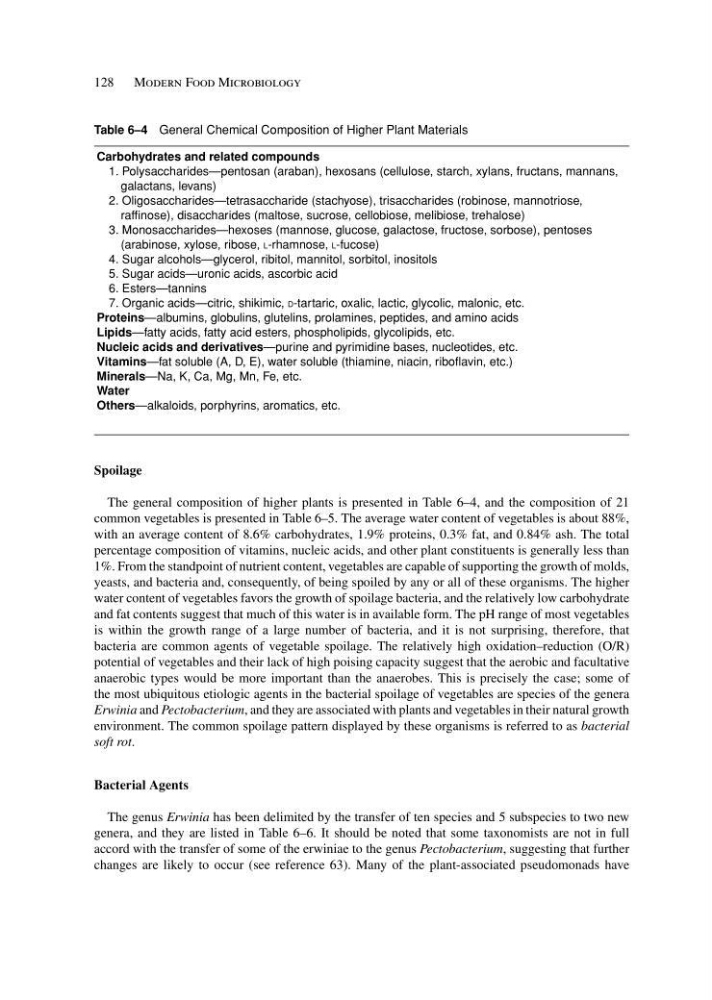
Table 6–4 General Chemical Composition of Higher Plant Materials
Carbohydrates and related compounds
1. Polysaccharides—pentosan (araban), hexosans (cellulose, starch, xylans, fructans, mannans,
galactans, levans)
2. Oligosaccharides—tetrasaccharide (stachyose), trisaccharides (robinose, mannotriose,
raffinose), disaccharides (maltose, sucrose, cellobiose, melibiose, trehalose)
3. Monosaccharides—hexoses (mannose, glucose, galactose, fructose, sorbose), pentoses
(arabinose, xylose, ribose, L-rhamnose, L-fucose)
4. Sugar alcohols—glycerol, ribitol, mannitol, sorbitol, inositols
5. Sugar acids—uronic acids, ascorbic acid
6. Esters—tannins
7. Organic acids—citric, shikimic, D-tartaric, oxalic, lactic, glycolic, malonic, etc.
Proteins—albumins, globulins, glutelins, prolamines, peptides, and amino acids
Lipids—fatty acids, fatty acid esters, phospholipids, glycolipids, etc.
Nucleic acids and derivatives—purine and pyrimidine bases, nucleotides, etc.
Vitamins—fat soluble (A, D, E), water soluble (thiamine, niacin, riboflavin, etc.)
Minerals—Na, K, Ca, Mg, Mn, Fe, etc.
Water
Others—alkaloids, porphyrins, aromatics, etc.
Spoilage
The general composition of higher plants is presented in Table 6–4, and the composition of 21
common vegetables is presented in Table 6–5. The average water content of vegetables is about 88%,
with an average content of 8.6% carbohydrates, 1.9% proteins, 0.3% fat, and 0.84% ash. The total
percentage composition of vitamins, nucleic acids, and other plant constituents is generally less than
1%. From the standpoint of nutrient content, vegetables are capable of supporting the growth of molds,
yeasts, and bacteria and, consequently, of being spoiled by any or all of these organisms. The higher
water content of vegetables favors the growth of spoilage bacteria, and the relatively low carbohydrate
and fat contents suggest that much of this water is in available form. The pH range of most vegetables
is within the growth range of a large number of bacteria, and it is not surprising, therefore, that
bacteria are common agents of vegetable spoilage. The relatively high oxidation–reduction (O/R)
potential of vegetables and their lack of high poising capacity suggest that the aerobic and facultative
anaerobic types would be more important than the anaerobes. This is precisely the case; some of
the most ubiquitous etiologic agents in the bacterial spoilage of vegetables are species of the genera
Erwinia and Pectobacterium, and they are associated with plants and vegetables in their natural growth
environment. The common spoilage pattern displayed by these organisms is referred to as bacterial
soft rot.
Bacterial Agents
The genus Erwinia has been delimited by the transfer of ten species and 5 subspecies to two new
genera, and they are listed in Table 6–6. It should be noted that some taxonomists are not in full
accord with the transfer of some of the erwiniae to the genus Pectobacterium, suggesting that further
changes are likely to occur (see reference 63). Many of the plant-associated pseudomonads have
Table 6–4 General Chemical Composition of Higher Plant Materials
Carbohydrates and related compounds
1. Polysaccharides—pentosan (araban), hexosans (cellulose, starch, xylans, fructans, mannans,
galactans, levans)
2. Oligosaccharides—tetrasaccharide (stachyose), trisaccharides (robinose, mannotriose,
raffinose), disaccharides (maltose, sucrose, cellobiose, melibiose, trehalose)
3. Monosaccharides—hexoses (mannose, glucose, galactose, fructose, sorbose), pentoses
(arabinose, xylose, ribose, L-rhamnose, L-fucose)
4. Sugar alcohols—glycerol, ribitol, mannitol, sorbitol, inositols
5. Sugar acids—uronic acids, ascorbic acid
6. Esters—tannins
7. Organic acids—citric, shikimic, D-tartaric, oxalic, lactic, glycolic, malonic, etc.
Proteins—albumins, globulins, glutelins, prolamines, peptides, and amino acids
Lipids—fatty acids, fatty acid esters, phospholipids, glycolipids, etc.
Nucleic acids and derivatives—purine and pyrimidine bases, nucleotides, etc.
Vitamins—fat soluble (A, D, E), water soluble (thiamine, niacin, riboflavin, etc.)
Minerals—Na, K, Ca, Mg, Mn, Fe, etc.
Water
Others—alkaloids, porphyrins, aromatics, etc.
Spoilage
The general composition of higher plants is presented in Table 6–4, and the composition of 21
common vegetables is presented in Table 6–5. The average water content of vegetables is about 88%,
with an average content of 8.6% carbohydrates, 1.9% proteins, 0.3% fat, and 0.84% ash. The total
percentage composition of vitamins, nucleic acids, and other plant constituents is generally less than
1%. From the standpoint of nutrient content, vegetables are capable of supporting the growth of molds,
yeasts, and bacteria and, consequently, of being spoiled by any or all of these organisms. The higher
water content of vegetables favors the growth of spoilage bacteria, and the relatively low carbohydrate
and fat contents suggest that much of this water is in available form. The pH range of most vegetables
is within the growth range of a large number of bacteria, and it is not surprising, therefore, that
bacteria are common agents of vegetable spoilage. The relatively high oxidation–reduction (O/R)
potential of vegetables and their lack of high poising capacity suggest that the aerobic and facultative
anaerobic types would be more important than the anaerobes. This is precisely the case; some of
the most ubiquitous etiologic agents in the bacterial spoilage of vegetables are species of the genera
Erwinia and Pectobacterium, and they are associated with plants and vegetables in their natural growth
environment. The common spoilage pattern displayed by these organisms is referred to as bacterial
soft rot.
Bacterial Agents
The genus Erwinia has been delimited by the transfer of ten species and 5 subspecies to two new
genera, and they are listed in Table 6–6. It should be noted that some taxonomists are not in full
accord with the transfer of some of the erwiniae to the genus Pectobacterium, suggesting that further
changes are likely to occur (see reference 63). Many of the plant-associated pseudomonads have