

Processed Meats and Seafoods
119
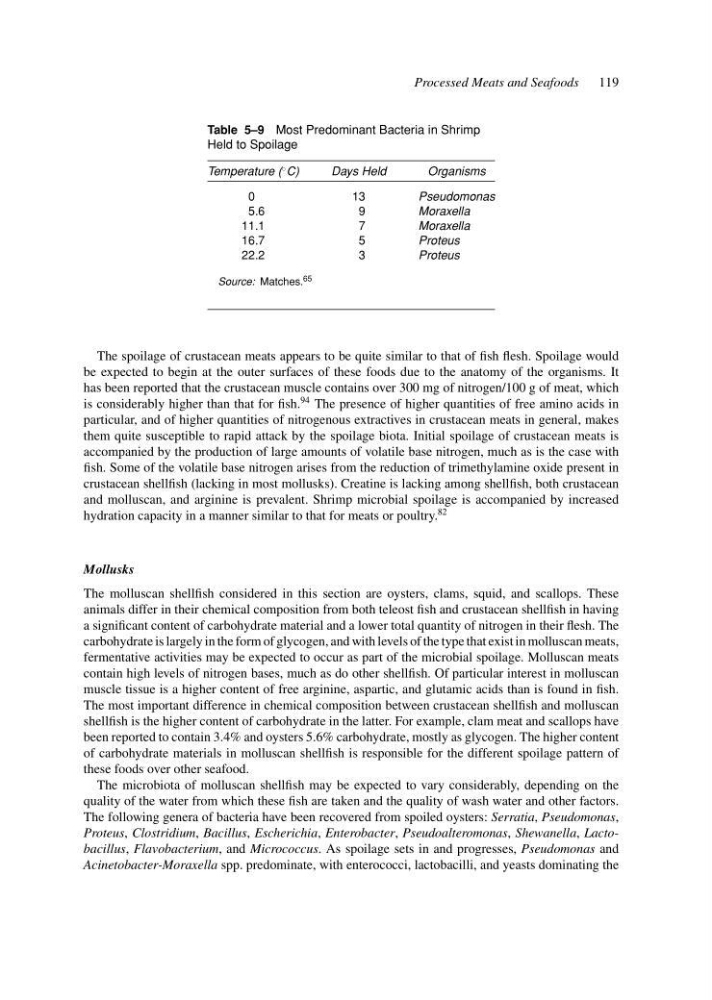
Table 5–9 Most Predominant Bacteria in Shrimp
Held to Spoilage
Temperature (
◦ C)
Days Held
Organisms
0
1 3
Pseudomonas
5.6
9
Moraxella
11.1
7
Moraxella
16.7
5
Proteus
22.2
3
Proteus
Source: Matches. 65
The spoilage of crustacean meats appears to be quite similar to that of fish flesh. Spoilage would
be expected to begin at the outer surfaces of these foods due to the anatomy of the organisms. It
has been reported that the crustacean muscle contains over 300 mg of nitrogen/100 g of meat, which
is considerably higher than that for fish.
94 The presence of higher quantities of free amino acids in
particular, and of higher quantities of nitrogenous extractives in crustacean meats in general, makes
them quite susceptible to rapid attack by the spoilage biota. Initial spoilage of crustacean meats is
accompanied by the production of large amounts of volatile base nitrogen, much as is the case with
fish. Some of the volatile base nitrogen arises from the reduction of trimethylamine oxide present in
crustacean shellfish (lacking in most mollusks). Creatine is lacking among shellfish, both crustacean
and molluscan, and arginine is prevalent. Shrimp microbial spoilage is accompanied by increased
hydration capacity in a manner similar to that for meats or poultry.
82
Mollusks
The molluscan shellfish considered in this section are oysters, clams, squid, and scallops. These
animals differ in their chemical composition from both teleost fish and crustacean shellfish in having
a significant content of carbohydrate material and a lower total quantity of nitrogen in their flesh. The
carbohydrate is largely in the form of glycogen, and with levels of the type that exist in molluscan meats,
fermentative activities may be expected to occur as part of the microbial spoilage. Molluscan meats
contain high levels of nitrogen bases, much as do other shellfish. Of particular interest in molluscan
muscle tissue is a higher content of free arginine, aspartic, and glutamic acids than is found in fish.
The most important difference in chemical composition between crustacean shellfish and molluscan
shellfish is the higher content of carbohydrate in the latter. For example, clam meat and scallops have
been reported to contain 3.4% and oysters 5.6% carbohydrate, mostly as glycogen. The higher content
of carbohydrate materials in molluscan shellfish is responsible for the different spoilage pattern of
these foods over other seafood.
The microbiota of molluscan shellfish may be expected to vary considerably, depending on the
quality of the water from which these fish are taken and the quality of wash water and other factors.
The following genera of bacteria have been recovered from spoiled oysters: Serratia, Pseudomonas,
Proteus, Clostridium, Bacillus, Escherichia, Enterobacter, Pseudoalteromonas, Shewanella, Lactobacillus, Flavobacterium, and Micrococcus. As spoilage sets in and progresses, Pseudomonas and
Acinetobacter-Moraxella spp. predominate, with enterococci, lactobacilli, and yeasts dominating the
119
Table 5–9 Most Predominant Bacteria in Shrimp
Held to Spoilage
Temperature (
◦ C)
Days Held
Organisms
0
1 3
Pseudomonas
5.6
9
Moraxella
11.1
7
Moraxella
16.7
5
Proteus
22.2
3
Proteus
Source: Matches. 65
The spoilage of crustacean meats appears to be quite similar to that of fish flesh. Spoilage would
be expected to begin at the outer surfaces of these foods due to the anatomy of the organisms. It
has been reported that the crustacean muscle contains over 300 mg of nitrogen/100 g of meat, which
is considerably higher than that for fish.
94 The presence of higher quantities of free amino acids in
particular, and of higher quantities of nitrogenous extractives in crustacean meats in general, makes
them quite susceptible to rapid attack by the spoilage biota. Initial spoilage of crustacean meats is
accompanied by the production of large amounts of volatile base nitrogen, much as is the case with
fish. Some of the volatile base nitrogen arises from the reduction of trimethylamine oxide present in
crustacean shellfish (lacking in most mollusks). Creatine is lacking among shellfish, both crustacean
and molluscan, and arginine is prevalent. Shrimp microbial spoilage is accompanied by increased
hydration capacity in a manner similar to that for meats or poultry.
82
Mollusks
The molluscan shellfish considered in this section are oysters, clams, squid, and scallops. These
animals differ in their chemical composition from both teleost fish and crustacean shellfish in having
a significant content of carbohydrate material and a lower total quantity of nitrogen in their flesh. The
carbohydrate is largely in the form of glycogen, and with levels of the type that exist in molluscan meats,
fermentative activities may be expected to occur as part of the microbial spoilage. Molluscan meats
contain high levels of nitrogen bases, much as do other shellfish. Of particular interest in molluscan
muscle tissue is a higher content of free arginine, aspartic, and glutamic acids than is found in fish.
The most important difference in chemical composition between crustacean shellfish and molluscan
shellfish is the higher content of carbohydrate in the latter. For example, clam meat and scallops have
been reported to contain 3.4% and oysters 5.6% carbohydrate, mostly as glycogen. The higher content
of carbohydrate materials in molluscan shellfish is responsible for the different spoilage pattern of
these foods over other seafood.
The microbiota of molluscan shellfish may be expected to vary considerably, depending on the
quality of the water from which these fish are taken and the quality of wash water and other factors.
The following genera of bacteria have been recovered from spoiled oysters: Serratia, Pseudomonas,
Proteus, Clostridium, Bacillus, Escherichia, Enterobacter, Pseudoalteromonas, Shewanella, Lactobacillus, Flavobacterium, and Micrococcus. As spoilage sets in and progresses, Pseudomonas and
Acinetobacter-Moraxella spp. predominate, with enterococci, lactobacilli, and yeasts dominating the