

198
R. Sukanya Devi et al.
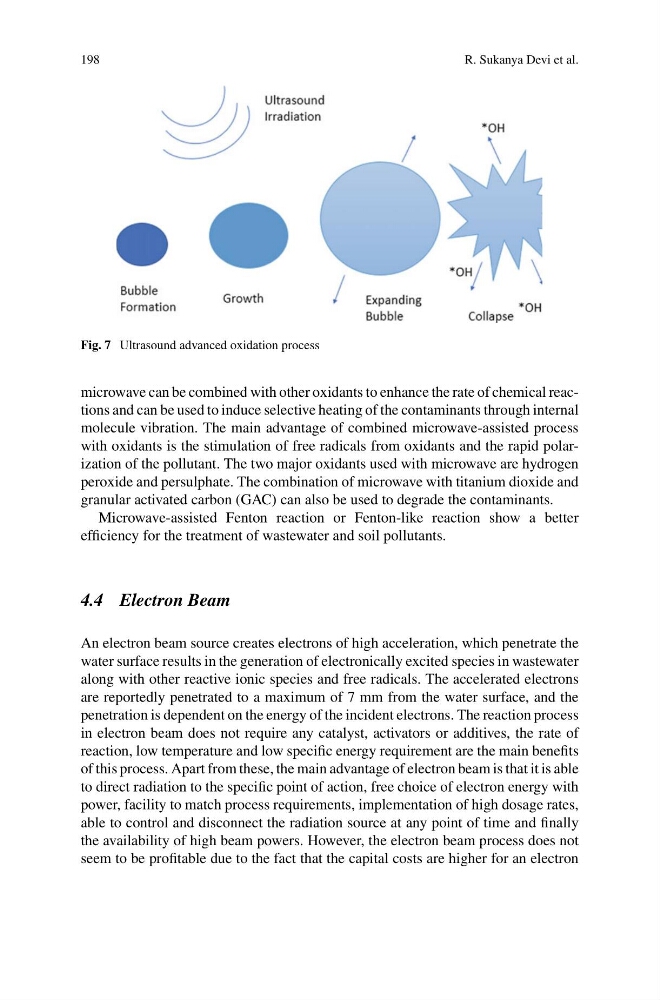
Fig. 7 Ultrasound advanced oxidation process
microwave can be combined with other oxidants to enhance the rate of chemical reactions and can be used to induce selective heating of the contaminants through internal
molecule vibration. The main advantage of combined microwave-assisted process
with oxidants is the stimulation of free radicals from oxidants and the rapid polarization of the pollutant. The two major oxidants used with microwave are hydrogen
peroxide and persulphate. The combination of microwave with titanium dioxide and
granular activated carbon (GAC) can also be used to degrade the contaminants.
Microwave-assisted Fenton reaction or Fenton-like reaction show a better
efficiency for the treatment of wastewater and soil pollutants.
4.4 Electron Beam
An electron beam source creates electrons of high acceleration, which penetrate the
water surface results in the generation of electronically excited species in wastewater
along with other reactive ionic species and free radicals. The accelerated electrons
are reportedly penetrated to a maximum of 7 mm from the water surface, and the
penetration is dependent on the energy of the incident electrons. The reaction process
in electron beam does not require any catalyst, activators or additives, the rate of
reaction, low temperature and low specific energy requirement are the main benefits
of this process. Apart from these, the main advantage of electron beam is that it is able
to direct radiation to the specific point of action, free choice of electron energy with
power, facility to match process requirements, implementation of high dosage rates,
able to control and disconnect the radiation source at any point of time and finally
the availability of high beam powers. However, the electron beam process does not
seem to be profitable due to the fact that the capital costs are higher for an electron
R. Sukanya Devi et al.
Fig. 7 Ultrasound advanced oxidation process
microwave can be combined with other oxidants to enhance the rate of chemical reactions and can be used to induce selective heating of the contaminants through internal
molecule vibration. The main advantage of combined microwave-assisted process
with oxidants is the stimulation of free radicals from oxidants and the rapid polarization of the pollutant. The two major oxidants used with microwave are hydrogen
peroxide and persulphate. The combination of microwave with titanium dioxide and
granular activated carbon (GAC) can also be used to degrade the contaminants.
Microwave-assisted Fenton reaction or Fenton-like reaction show a better
efficiency for the treatment of wastewater and soil pollutants.
4.4 Electron Beam
An electron beam source creates electrons of high acceleration, which penetrate the
water surface results in the generation of electronically excited species in wastewater
along with other reactive ionic species and free radicals. The accelerated electrons
are reportedly penetrated to a maximum of 7 mm from the water surface, and the
penetration is dependent on the energy of the incident electrons. The reaction process
in electron beam does not require any catalyst, activators or additives, the rate of
reaction, low temperature and low specific energy requirement are the main benefits
of this process. Apart from these, the main advantage of electron beam is that it is able
to direct radiation to the specific point of action, free choice of electron energy with
power, facility to match process requirements, implementation of high dosage rates,
able to control and disconnect the radiation source at any point of time and finally
the availability of high beam powers. However, the electron beam process does not
seem to be profitable due to the fact that the capital costs are higher for an electron