

180
R. Sukanya Devi et al.
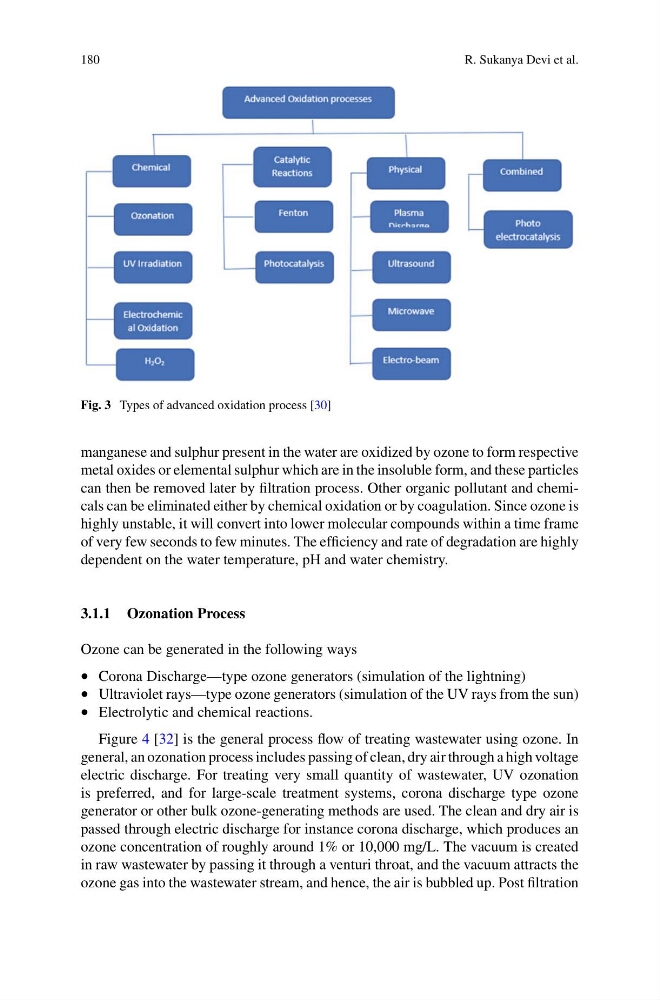
Fig. 3 Types of advanced oxidation process [30]
manganese and sulphur present in the water are oxidized by ozone to form respective
metal oxides or elemental sulphur which are in the insoluble form, and these particles
can then be removed later by filtration process. Other organic pollutant and chemicals can be eliminated either by chemical oxidation or by coagulation. Since ozone is
highly unstable, it will convert into lower molecular compounds within a time frame
of very few seconds to few minutes. The efficiency and rate of degradation are highly
dependent on the water temperature, pH and water chemistry.
3.1.1 Ozonation Process
Ozone can be generated in the following ways
• Corona Discharge—type ozone generators (simulation of the lightning)
• Ultraviolet rays—type ozone generators (simulation of the UV rays from the sun)
• Electrolytic and chemical reactions.
Figure 4 [32] is the general process flow of treating wastewater using ozone. In
general, an ozonation process includes passing of clean, dry air through a high voltage
electric discharge. For treating very small quantity of wastewater, UV ozonation
is preferred, and for large-scale treatment systems, corona discharge type ozone
generator or other bulk ozone-generating methods are used. The clean and dry air is
passed through electric discharge for instance corona discharge, which produces an
ozone concentration of roughly around 1% or 10,000 mg/L. The vacuum is created
in raw wastewater by passing it through a venturi throat, and the vacuum attracts the
ozone gas into the wastewater stream, and hence, the air is bubbled up. Post filtration
R. Sukanya Devi et al.
Fig. 3 Types of advanced oxidation process [30]
manganese and sulphur present in the water are oxidized by ozone to form respective
metal oxides or elemental sulphur which are in the insoluble form, and these particles
can then be removed later by filtration process. Other organic pollutant and chemicals can be eliminated either by chemical oxidation or by coagulation. Since ozone is
highly unstable, it will convert into lower molecular compounds within a time frame
of very few seconds to few minutes. The efficiency and rate of degradation are highly
dependent on the water temperature, pH and water chemistry.
3.1.1 Ozonation Process
Ozone can be generated in the following ways
• Corona Discharge—type ozone generators (simulation of the lightning)
• Ultraviolet rays—type ozone generators (simulation of the UV rays from the sun)
• Electrolytic and chemical reactions.
Figure 4 [32] is the general process flow of treating wastewater using ozone. In
general, an ozonation process includes passing of clean, dry air through a high voltage
electric discharge. For treating very small quantity of wastewater, UV ozonation
is preferred, and for large-scale treatment systems, corona discharge type ozone
generator or other bulk ozone-generating methods are used. The clean and dry air is
passed through electric discharge for instance corona discharge, which produces an
ozone concentration of roughly around 1% or 10,000 mg/L. The vacuum is created
in raw wastewater by passing it through a venturi throat, and the vacuum attracts the
ozone gas into the wastewater stream, and hence, the air is bubbled up. Post filtration