

104
E. Emekdar and U. K. ¸
Sahin
Sizing&Desizing
Carboxymethyl cellulose, starch, enzymes, polyvinyl
alcohol, waxes, fats, resins and glucose
Scouring &
Bleaching
Hydrogen peroxide, Hypochlorite,
acids, sodium hydroxide,
sodiumsilicate, sodium peroxide,
sodiumcarbonate, chlorine, peracids
Mercerizing
Sodium hydroxide,
ammonia
Dyeing
Dyestuff, reducing agents
(hydrosulphide, sulphides,
soap, acec acid) and
mordants
Prinng
Dyestuff or pigments,
gums, starch,
mordants, china clay,
ammonia, oil, metallic
salts, acids
Finishing
Tallow, Glauber salt,
starch, metallic
chlorides, common
salt, special agents
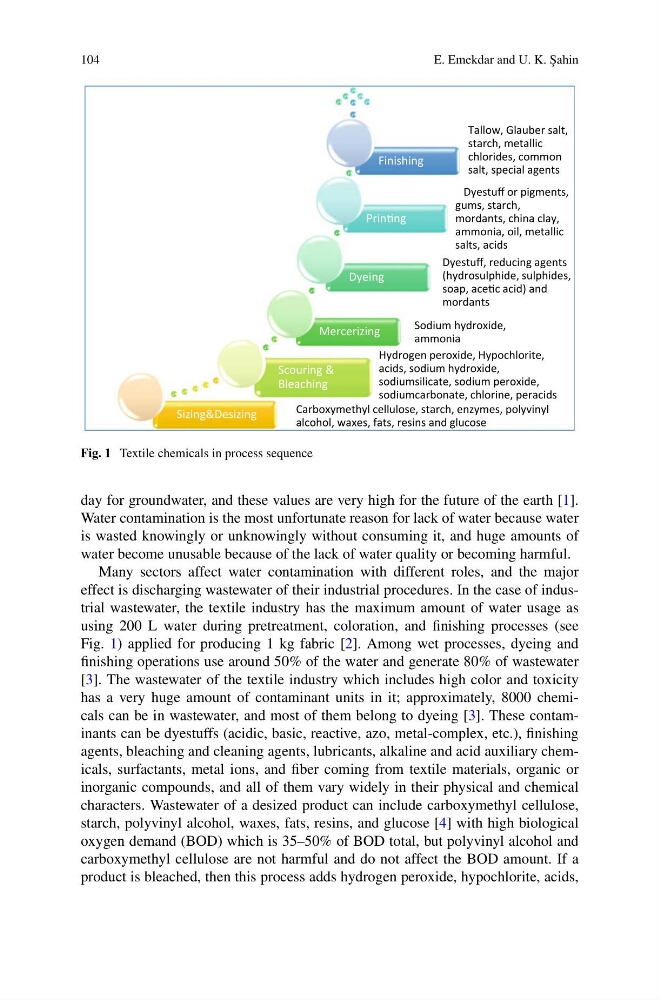
Fig. 1 Textile chemicals in process sequence
day for groundwater, and these values are very high for the future of the earth [1].
Water contamination is the most unfortunate reason for lack of water because water
is wasted knowingly or unknowingly without consuming it, and huge amounts of
water become unusable because of the lack of water quality or becoming harmful.
Many sectors affect water contamination with different roles, and the major
effect is discharging wastewater of their industrial procedures. In the case of industrial wastewater, the textile industry has the maximum amount of water usage as
using 200 L water during pretreatment, coloration, and finishing processes (see
Fig. 1) applied for producing 1 kg fabric [2]. Among wet processes, dyeing and
finishing operations use around 50% of the water and generate 80% of wastewater
[3]. The wastewater of the textile industry which includes high color and toxicity
has a very huge amount of contaminant units in it; approximately, 8000 chemicals can be in wastewater, and most of them belong to dyeing [3]. These contaminants can be dyestuffs (acidic, basic, reactive, azo, metal-complex, etc.), finishing
agents, bleaching and cleaning agents, lubricants, alkaline and acid auxiliary chemicals, surfactants, metal ions, and fiber coming from textile materials, organic or
inorganic compounds, and all of them vary widely in their physical and chemical
characters. Wastewater of a desized product can include carboxymethyl cellulose,
starch, polyvinyl alcohol, waxes, fats, resins, and glucose [4] with high biological
oxygen demand (BOD) which is 35–50% of BOD total, but polyvinyl alcohol and
carboxymethyl cellulose are not harmful and do not affect the BOD amount. If a
product is bleached, then this process adds hydrogen peroxide, hypochlorite, acids,
E. Emekdar and U. K. ¸
Sahin
Sizing&Desizing
Carboxymethyl cellulose, starch, enzymes, polyvinyl
alcohol, waxes, fats, resins and glucose
Scouring &
Bleaching
Hydrogen peroxide, Hypochlorite,
acids, sodium hydroxide,
sodiumsilicate, sodium peroxide,
sodiumcarbonate, chlorine, peracids
Mercerizing
Sodium hydroxide,
ammonia
Dyeing
Dyestuff, reducing agents
(hydrosulphide, sulphides,
soap, acec acid) and
mordants
Prinng
Dyestuff or pigments,
gums, starch,
mordants, china clay,
ammonia, oil, metallic
salts, acids
Finishing
Tallow, Glauber salt,
starch, metallic
chlorides, common
salt, special agents
Fig. 1 Textile chemicals in process sequence
day for groundwater, and these values are very high for the future of the earth [1].
Water contamination is the most unfortunate reason for lack of water because water
is wasted knowingly or unknowingly without consuming it, and huge amounts of
water become unusable because of the lack of water quality or becoming harmful.
Many sectors affect water contamination with different roles, and the major
effect is discharging wastewater of their industrial procedures. In the case of industrial wastewater, the textile industry has the maximum amount of water usage as
using 200 L water during pretreatment, coloration, and finishing processes (see
Fig. 1) applied for producing 1 kg fabric [2]. Among wet processes, dyeing and
finishing operations use around 50% of the water and generate 80% of wastewater
[3]. The wastewater of the textile industry which includes high color and toxicity
has a very huge amount of contaminant units in it; approximately, 8000 chemicals can be in wastewater, and most of them belong to dyeing [3]. These contaminants can be dyestuffs (acidic, basic, reactive, azo, metal-complex, etc.), finishing
agents, bleaching and cleaning agents, lubricants, alkaline and acid auxiliary chemicals, surfactants, metal ions, and fiber coming from textile materials, organic or
inorganic compounds, and all of them vary widely in their physical and chemical
characters. Wastewater of a desized product can include carboxymethyl cellulose,
starch, polyvinyl alcohol, waxes, fats, resins, and glucose [4] with high biological
oxygen demand (BOD) which is 35–50% of BOD total, but polyvinyl alcohol and
carboxymethyl cellulose are not harmful and do not affect the BOD amount. If a
product is bleached, then this process adds hydrogen peroxide, hypochlorite, acids,