

nutrients and pH adjustment for saccharification, in which the glucoamylase
converts the dextrins to glucose at a pH of 4.5 and a temperature of 65
C. Then
S. cerevisiae is added to ferment the sugars to ethanol and CO 2 . The total fermentation time varies from 20 to 60 h. The final product from a continuous process will
have an ethanol content of 8–10%v (Kojima and Johnson 2005; Bothast and
Schlicher 2005).
1.4.3 Bioethanol Production From Lignocellulosic Feedstock
Bioethanol produced from lignocellulosic materials is commonly known as secondgeneration bioethanol. There have been huge research efforts in developing economically feasible advanced technologies for ethanol production; however, some
challenges are still remaining (Cheng and Timilsina 2011). Chemical composition
of lignocellulosic materials is the key factor affecting efficiency of biofuel production. Cellulose and hemicellulose are more present in hardwoods (78.8%) than
softwoods (70.3%), while lignin is more present in softwoods (29.2%) than
hardwoods (21.7%) (Balat 2011). According to (Vohra et al. 2014), the technologies
for the conversion of lignocellulosic feedstocks to ethanol can be grouped into two
broad macrocategories:
– The sugar platform (biochemical conversion)
– The syngas platform (thermochemical conversion)
The sugar platform uses enzymes to convert lignocellulosic biomass materials
into sugars, while the syngas platform gasifies biomass and converts syngas into
ethanol (Datta et al. 2011).
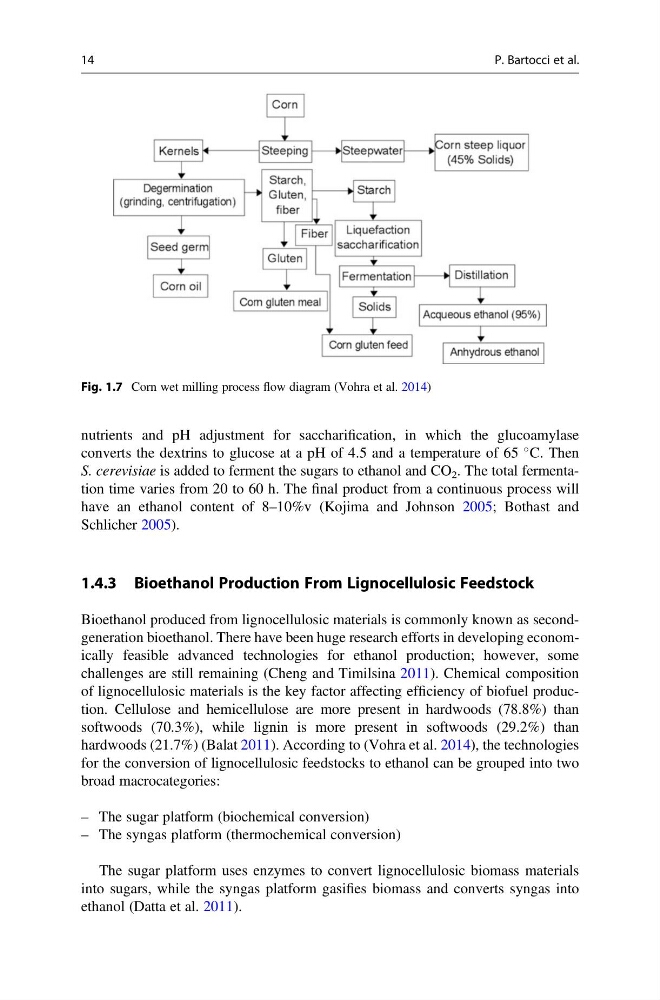
Fig. 1.7 Corn wet milling process flow diagram (Vohra et al. 2014)
14
P. Bartocci et al.
converts the dextrins to glucose at a pH of 4.5 and a temperature of 65
C. Then
S. cerevisiae is added to ferment the sugars to ethanol and CO 2 . The total fermentation time varies from 20 to 60 h. The final product from a continuous process will
have an ethanol content of 8–10%v (Kojima and Johnson 2005; Bothast and
Schlicher 2005).
1.4.3 Bioethanol Production From Lignocellulosic Feedstock
Bioethanol produced from lignocellulosic materials is commonly known as secondgeneration bioethanol. There have been huge research efforts in developing economically feasible advanced technologies for ethanol production; however, some
challenges are still remaining (Cheng and Timilsina 2011). Chemical composition
of lignocellulosic materials is the key factor affecting efficiency of biofuel production. Cellulose and hemicellulose are more present in hardwoods (78.8%) than
softwoods (70.3%), while lignin is more present in softwoods (29.2%) than
hardwoods (21.7%) (Balat 2011). According to (Vohra et al. 2014), the technologies
for the conversion of lignocellulosic feedstocks to ethanol can be grouped into two
broad macrocategories:
– The sugar platform (biochemical conversion)
– The syngas platform (thermochemical conversion)
The sugar platform uses enzymes to convert lignocellulosic biomass materials
into sugars, while the syngas platform gasifies biomass and converts syngas into
ethanol (Datta et al. 2011).
Fig. 1.7 Corn wet milling process flow diagram (Vohra et al. 2014)
14
P. Bartocci et al.