

due to the emission of SO 2 upon combustion. The second step for biomethane
production is removal of CO 2 and other trace elements by the various methods of
upgradation such as absorption, adsorption, membrane separation, cryogenic
technologies, in situ methane enrichment and hybrid technologies (Singhal et al.
2017). Since biogas is considered as a promising renewable fuel having high energy
value and being environment-friendly, wide attention has been given to produce
biomethane via cost-effective routes. This chapter emphasises on biogas cleaning
techniques (H 2 S removal), followed by biogas upgradation methods (CO 2 removal)
(Kadam and Pawar 2017; Awe et al. 2017).
9.2
Biogas Desulphurisation
H 2 S is a harmful and odorous gas which is not only hazardous to the environment
but also fatal to human health and corrodes metal parts and engines. The concentration of H 2 S varies from 200 to 30,000 ppm, majorly depending on the feedstock used
for biogas production. The maximum allowable H 2 S concentration after treatment
depends upon the mode of biogas utilisation (Fig. 9.2). The removal of H 2 S is a
must-to-do step before biogas upgradation (Awe et al. 2017). The traditional
desulphurisation technologies for biogas included majorly absorption, adsorption,
membrane, biological and in situ desulphurisation methods (Zhao et al. 2010).
9.2.1 In Situ Desulphurisation
9.2.1.1 Air/Oxygen Dosing
This is one of the oldest methods used for removal of H 2 S from biogas in which
concentration of H 2 S is controlled within the biogas digester. In this process,
oxygen/air dosing is given within a digestor in which conversion of H 2 S to elemental
sulphur by a group of sulphur-oxidising bacteria takes place (Awe et al. 2017). The
amount of oxygen/air dosing to the digester depends on the concentration of H 2 S
concentration. The following reaction takes place by injecting oxygen/air to the
digester by Eq. (9.1):
Raw Biogas
Desulfurization
Biogas
compression
Biogas Upgradation
High Pressure
compressor
Bio-CNG
Storage unit
Biogas
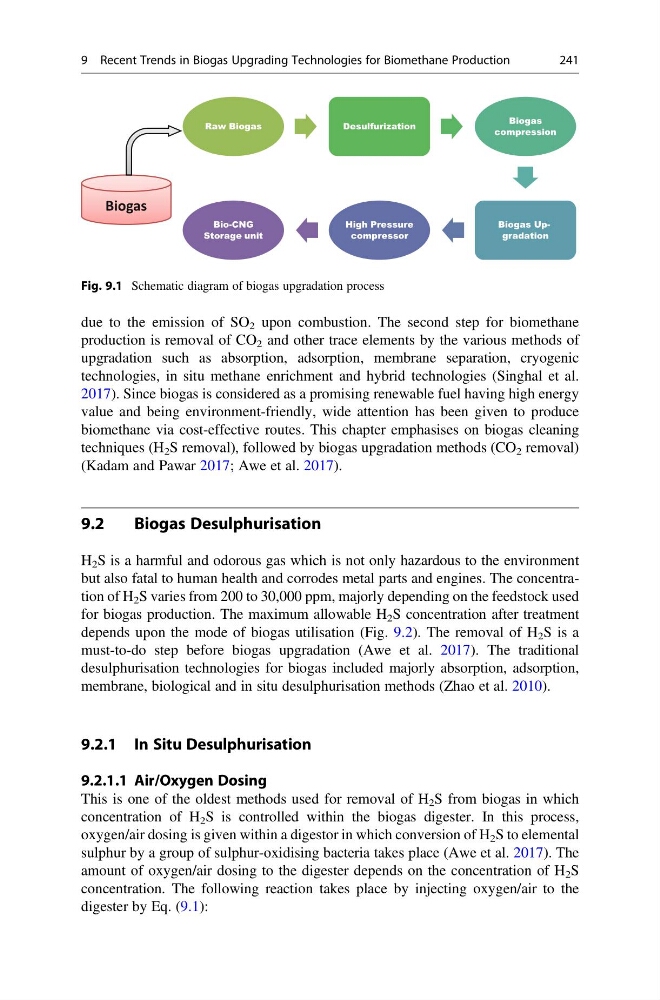
Fig. 9.1 Schematic diagram of biogas upgradation process
9 Recent Trends in Biogas Upgrading Technologies for Biomethane Production
241
production is removal of CO 2 and other trace elements by the various methods of
upgradation such as absorption, adsorption, membrane separation, cryogenic
technologies, in situ methane enrichment and hybrid technologies (Singhal et al.
2017). Since biogas is considered as a promising renewable fuel having high energy
value and being environment-friendly, wide attention has been given to produce
biomethane via cost-effective routes. This chapter emphasises on biogas cleaning
techniques (H 2 S removal), followed by biogas upgradation methods (CO 2 removal)
(Kadam and Pawar 2017; Awe et al. 2017).
9.2
Biogas Desulphurisation
H 2 S is a harmful and odorous gas which is not only hazardous to the environment
but also fatal to human health and corrodes metal parts and engines. The concentration of H 2 S varies from 200 to 30,000 ppm, majorly depending on the feedstock used
for biogas production. The maximum allowable H 2 S concentration after treatment
depends upon the mode of biogas utilisation (Fig. 9.2). The removal of H 2 S is a
must-to-do step before biogas upgradation (Awe et al. 2017). The traditional
desulphurisation technologies for biogas included majorly absorption, adsorption,
membrane, biological and in situ desulphurisation methods (Zhao et al. 2010).
9.2.1 In Situ Desulphurisation
9.2.1.1 Air/Oxygen Dosing
This is one of the oldest methods used for removal of H 2 S from biogas in which
concentration of H 2 S is controlled within the biogas digester. In this process,
oxygen/air dosing is given within a digestor in which conversion of H 2 S to elemental
sulphur by a group of sulphur-oxidising bacteria takes place (Awe et al. 2017). The
amount of oxygen/air dosing to the digester depends on the concentration of H 2 S
concentration. The following reaction takes place by injecting oxygen/air to the
digester by Eq. (9.1):
Raw Biogas
Desulfurization
Biogas
compression
Biogas Upgradation
High Pressure
compressor
Bio-CNG
Storage unit
Biogas
Fig. 9.1 Schematic diagram of biogas upgradation process
9 Recent Trends in Biogas Upgrading Technologies for Biomethane Production
241