

However, several limitations such as intensive technology associated with the
genetic modification of plants and microbes, the technological limits and ethical
concern associated with the synthetically synthesized microbes, and carbon sequestration and capture techniques are in its preliminary stages and therefore minimize
the application of this feedstock (Rubens 2008; Aro 2016).
7.3
Process Associated with Bioethanol Production from
Different Generations (1G, 2G, 3G, and 4G) Feedstocks
7.3.1 Pretreatment of Different Feedstocks for Bioethanol
Production
During biomass to bioethanol generation, one of the rate-limiting processes is
biomass pretreatment as it is costly and involves several complexities. The
pretreatment alters the macroscopic, microscopic, and submicroscopic structure of
lignocellulosic and algal biomass. In the case of lignocellulosic biomass,
pretreatment primarily removes lignin and hemicelluloses. However, in the case of
1G and 3G feedstocks, lignin is absent and therefore removal of lignin is not
necessary. Complex polymers such as microfibrillar and matrix polysaccharides
along with proteoglycans provide recalcitrance to algal biomass (Mishra et al.
2017; Kumari and Singh 2018a). Thus apart from lignin removal, the pretreatment
also helps in depolymerizing the starch, cellulose, and hemicellulosic fractions,
enhancement in surface area, improving biomass porosity, and decrease in crystallinity of cellulose (Sørensen et al. 2008). However, under harsh pretreatment
conditions, formation of fermentation inhibitory compounds such as acetic acid,
formic acid, and some furanic compounds can take place (Hargreaves et al. 2013).
Therefore, the choice of an optimum pretreatment method is required for enhanced
and cost-efficient production of bioethanol by improving the accessibility of
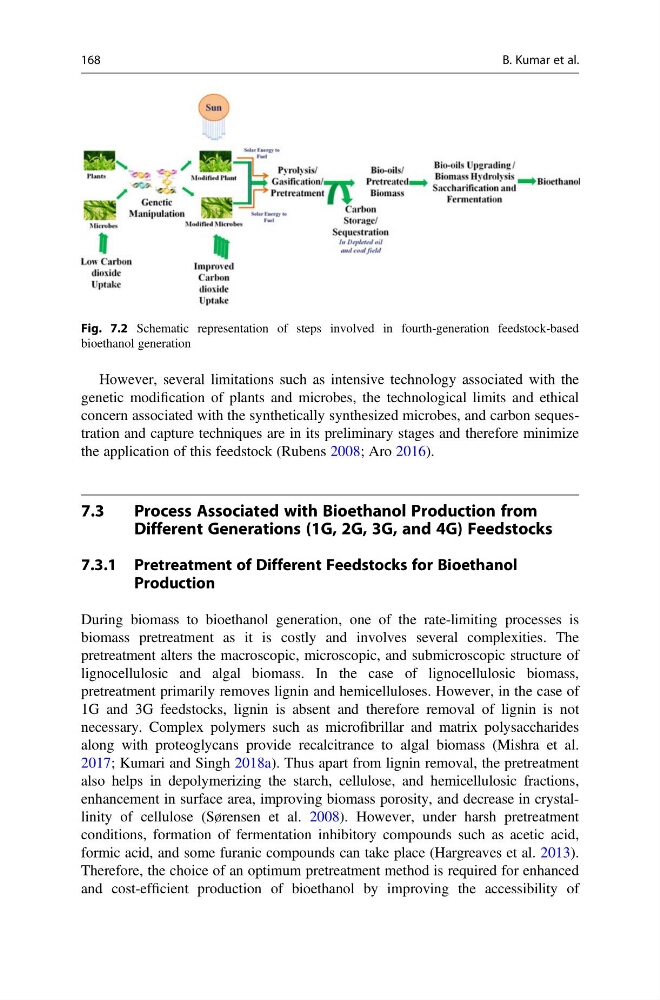
Fig. 7.2 Schematic representation of steps involved in fourth-generation feedstock-based
bioethanol generation
168
B. Kumar et al.
genetic modification of plants and microbes, the technological limits and ethical
concern associated with the synthetically synthesized microbes, and carbon sequestration and capture techniques are in its preliminary stages and therefore minimize
the application of this feedstock (Rubens 2008; Aro 2016).
7.3
Process Associated with Bioethanol Production from
Different Generations (1G, 2G, 3G, and 4G) Feedstocks
7.3.1 Pretreatment of Different Feedstocks for Bioethanol
Production
During biomass to bioethanol generation, one of the rate-limiting processes is
biomass pretreatment as it is costly and involves several complexities. The
pretreatment alters the macroscopic, microscopic, and submicroscopic structure of
lignocellulosic and algal biomass. In the case of lignocellulosic biomass,
pretreatment primarily removes lignin and hemicelluloses. However, in the case of
1G and 3G feedstocks, lignin is absent and therefore removal of lignin is not
necessary. Complex polymers such as microfibrillar and matrix polysaccharides
along with proteoglycans provide recalcitrance to algal biomass (Mishra et al.
2017; Kumari and Singh 2018a). Thus apart from lignin removal, the pretreatment
also helps in depolymerizing the starch, cellulose, and hemicellulosic fractions,
enhancement in surface area, improving biomass porosity, and decrease in crystallinity of cellulose (Sørensen et al. 2008). However, under harsh pretreatment
conditions, formation of fermentation inhibitory compounds such as acetic acid,
formic acid, and some furanic compounds can take place (Hargreaves et al. 2013).
Therefore, the choice of an optimum pretreatment method is required for enhanced
and cost-efficient production of bioethanol by improving the accessibility of
Fig. 7.2 Schematic representation of steps involved in fourth-generation feedstock-based
bioethanol generation
168
B. Kumar et al.