

bioethanol at pilot scale or large scale. Bioethanol production utilizing 1G and 2G
feedstocks has been developed. However, 1G feedstocks compete with food crops
and thus can lead to food crisis. The lignocellulosic biomass recalcitrance acts as a
hindrance for making the overall lignocellulosic-based biorefinery an economical
option. 3G and 4G bioethanols are still in a very immature stage limited to lab scale.
The chapter will provide a comprehensive overlook on generation-based status
measurement with special emphasis on different feedstocks and associated
technologies (pretreatment, hydrolysis, fermentation, and distillation) which are
playing a significant role on the overall development of bioethanol production.
The global scenario of four generations of ethanol is also discussed in short. Thus,
this chapter can provide a thoughtful insight toward future commercial bioethanol
production strategies on large scale.
7.2
Renewable Feedstocks for Different Generations
of Bioethanol
7.2.1 First-Generation (1G) Feedstocks
Food crops (grains, sugarcane, tubers, and roots) are used as feedstock for the
production of 1G bioethanol. 1G feedstock-based bioethanol production technology
is commercially utilized to minimize the global environmental pollution and provide
energy security. Different food crops available for generation of bioethanol are
discussed below.
7.2.1.1 Starch-Based Biomass for Bioethanol Production
Feedstock rich in starch is readily available around the world, stored for a long
period of time and easily converted to bioethanol with high yield. The starch-based
major feedstocks are cereals (60–80% starch), green/immature fruits (70% starch),
legumes (25–50% starch), and tubers and roots (60–90% starch) (Santana and
Meireles 2014). Corn, tuber (cassava, potato, sweet potato), wheat, yam, sorghum
grains, and aroids are used extensively as sources for bioethanol (Mohapatra et al.
2019) Different starch and sugar crops with their major carbohydrate composition
and final ethanol yield are also tabulated in Table 7.2.
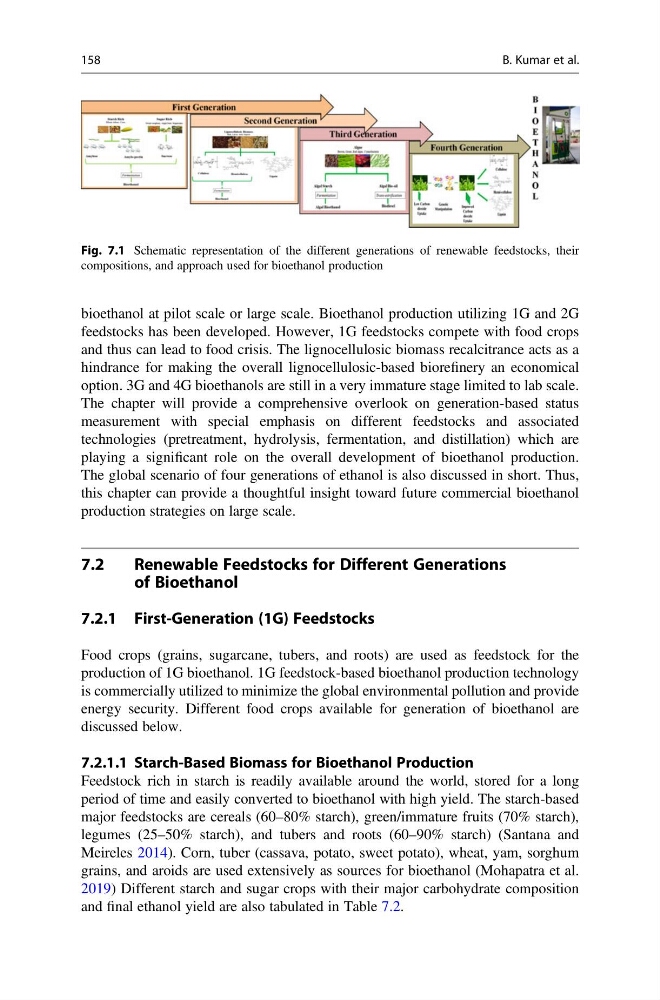
Fig. 7.1 Schematic representation of the different generations of renewable feedstocks, their
compositions, and approach used for bioethanol production
158
B. Kumar et al.
feedstocks has been developed. However, 1G feedstocks compete with food crops
and thus can lead to food crisis. The lignocellulosic biomass recalcitrance acts as a
hindrance for making the overall lignocellulosic-based biorefinery an economical
option. 3G and 4G bioethanols are still in a very immature stage limited to lab scale.
The chapter will provide a comprehensive overlook on generation-based status
measurement with special emphasis on different feedstocks and associated
technologies (pretreatment, hydrolysis, fermentation, and distillation) which are
playing a significant role on the overall development of bioethanol production.
The global scenario of four generations of ethanol is also discussed in short. Thus,
this chapter can provide a thoughtful insight toward future commercial bioethanol
production strategies on large scale.
7.2
Renewable Feedstocks for Different Generations
of Bioethanol
7.2.1 First-Generation (1G) Feedstocks
Food crops (grains, sugarcane, tubers, and roots) are used as feedstock for the
production of 1G bioethanol. 1G feedstock-based bioethanol production technology
is commercially utilized to minimize the global environmental pollution and provide
energy security. Different food crops available for generation of bioethanol are
discussed below.
7.2.1.1 Starch-Based Biomass for Bioethanol Production
Feedstock rich in starch is readily available around the world, stored for a long
period of time and easily converted to bioethanol with high yield. The starch-based
major feedstocks are cereals (60–80% starch), green/immature fruits (70% starch),
legumes (25–50% starch), and tubers and roots (60–90% starch) (Santana and
Meireles 2014). Corn, tuber (cassava, potato, sweet potato), wheat, yam, sorghum
grains, and aroids are used extensively as sources for bioethanol (Mohapatra et al.
2019) Different starch and sugar crops with their major carbohydrate composition
and final ethanol yield are also tabulated in Table 7.2.
Fig. 7.1 Schematic representation of the different generations of renewable feedstocks, their
compositions, and approach used for bioethanol production
158
B. Kumar et al.