

580
G. Nicolino and S. R. S. Barros
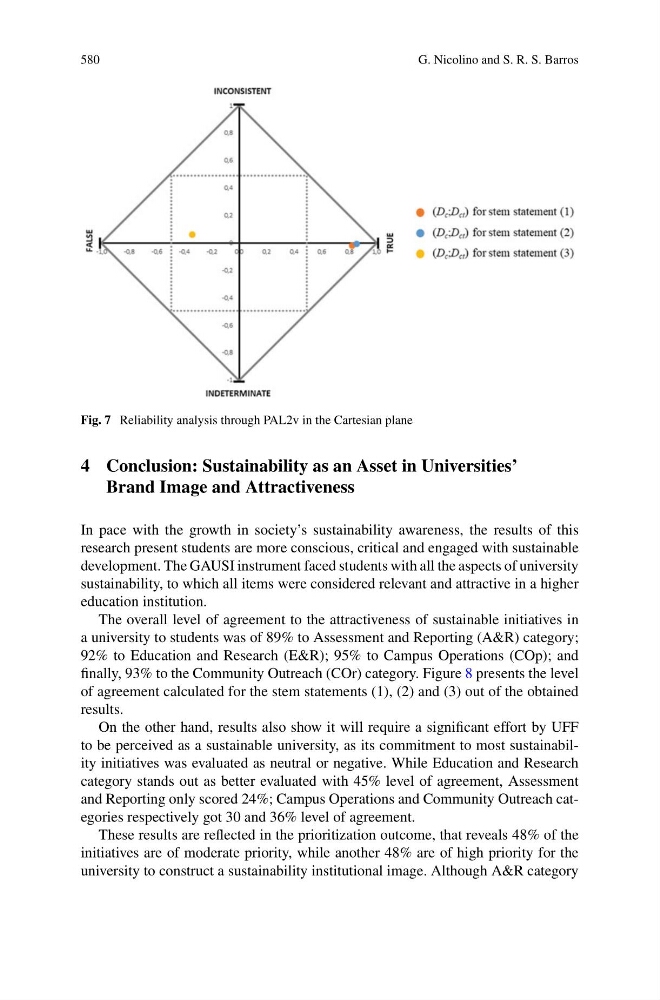
Fig. 7 Reliability analysis through PAL2v in the Cartesian plane
4 Conclusion: Sustainability as an Asset in Universities’
Brand Image and Attractiveness
In pace with the growth in society’s sustainability awareness, the results of this
research present students are more conscious, critical and engaged with sustainable
development. The GAUSI instrument faced students with all the aspects of university
sustainability, to which all items were considered relevant and attractive in a higher
education institution.
The overall level of agreement to the attractiveness of sustainable initiatives in
a university to students was of 89% to Assessment and Reporting (A&R) category;
92% to Education and Research (E&R); 95% to Campus Operations (COp); and
finally, 93% to the Community Outreach (COr) category. Figure 8 presents the level
of agreement calculated for the stem statements (1), (2) and (3) out of the obtained
results.
On the other hand, results also show it will require a significant effort by UFF
to be perceived as a sustainable university, as its commitment to most sustainability initiatives was evaluated as neutral or negative. While Education and Research
category stands out as better evaluated with 45% level of agreement, Assessment
and Reporting only scored 24%; Campus Operations and Community Outreach categories respectively got 30 and 36% level of agreement.
These results are reflected in the prioritization outcome, that reveals 48% of the
initiatives are of moderate priority, while another 48% are of high priority for the
university to construct a sustainability institutional image. Although A&R category
G. Nicolino and S. R. S. Barros
Fig. 7 Reliability analysis through PAL2v in the Cartesian plane
4 Conclusion: Sustainability as an Asset in Universities’
Brand Image and Attractiveness
In pace with the growth in society’s sustainability awareness, the results of this
research present students are more conscious, critical and engaged with sustainable
development. The GAUSI instrument faced students with all the aspects of university
sustainability, to which all items were considered relevant and attractive in a higher
education institution.
The overall level of agreement to the attractiveness of sustainable initiatives in
a university to students was of 89% to Assessment and Reporting (A&R) category;
92% to Education and Research (E&R); 95% to Campus Operations (COp); and
finally, 93% to the Community Outreach (COr) category. Figure 8 presents the level
of agreement calculated for the stem statements (1), (2) and (3) out of the obtained
results.
On the other hand, results also show it will require a significant effort by UFF
to be perceived as a sustainable university, as its commitment to most sustainability initiatives was evaluated as neutral or negative. While Education and Research
category stands out as better evaluated with 45% level of agreement, Assessment
and Reporting only scored 24%; Campus Operations and Community Outreach categories respectively got 30 and 36% level of agreement.
These results are reflected in the prioritization outcome, that reveals 48% of the
initiatives are of moderate priority, while another 48% are of high priority for the
university to construct a sustainability institutional image. Although A&R category