

The Role of Neighborhood Origin in the Residential Satisfaction …
439
How satisfied are you with being part of your
community?
How satisfied are you with the place where you live?
(house, apartment, room)
How satisfied are you with the environment where you
live? (neighborhood)
1
2
3
Fig. 4 Residential satisfaction items. Social life questionnaire (James 2014)
Factor
Building aesthetics
Building density
Building volume *
Internal practicability
External connections
Green areas
Security
Discretion *
Sociability *
Education services
Social health services
Sport services
Socio-cultural activities
Commercial services
Public transport
Relaxing/distressing *
Stimulating/boring *
Environmental health
Upkeep and care
Scale
Architectural and town-planning spaces
Organization and accessibility of roads
Green spaces
People and social relations
Welfare services
Cultural-recreational services
Commercial services
Transportation services
Pace of life **
Environmental health
Maintenance and care
Category
Spatial
Human
Functional
Contextual
Notes: ** scale not included in the study; * factor not included in the study.
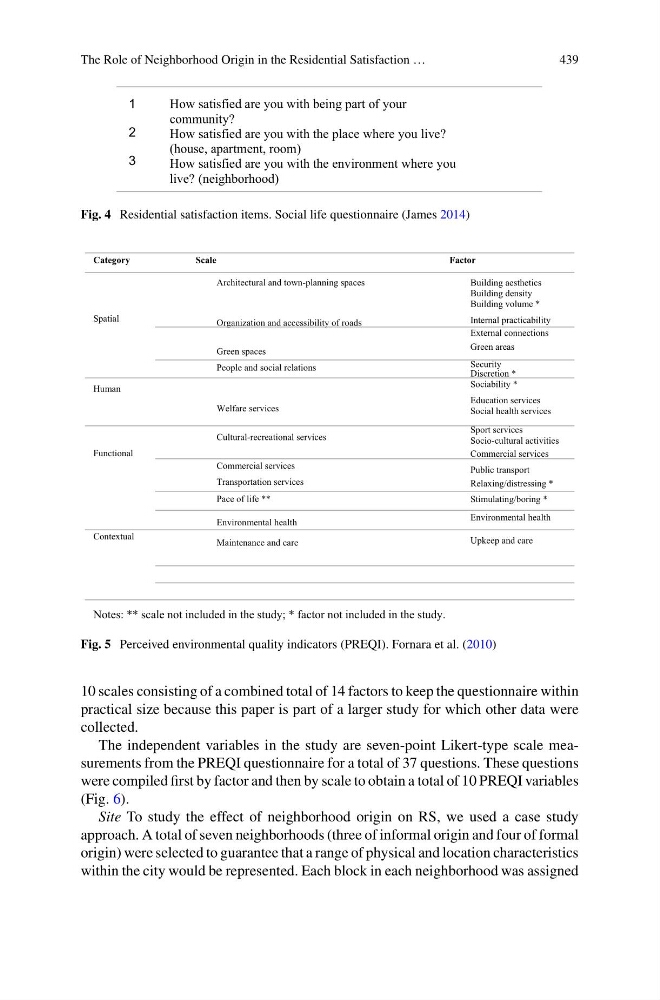
Fig. 5 Perceived environmental quality indicators (PREQI). Fornara et al. (2010)
10 scales consisting of a combined total of 14 factors to keep the questionnaire within
practical size because this paper is part of a larger study for which other data were
collected.
The independent variables in the study are seven-point Likert-type scale measurements from the PREQI questionnaire for a total of 37 questions. These questions
were compiled first by factor and then by scale to obtain a total of 10 PREQI variables
(Fig. 6).
Site To study the effect of neighborhood origin on RS, we used a case study
approach. A total of seven neighborhoods (three of informal origin and four of formal
origin) were selected to guarantee that a range of physical and location characteristics
within the city would be represented. Each block in each neighborhood was assigned
439
How satisfied are you with being part of your
community?
How satisfied are you with the place where you live?
(house, apartment, room)
How satisfied are you with the environment where you
live? (neighborhood)
1
2
3
Fig. 4 Residential satisfaction items. Social life questionnaire (James 2014)
Factor
Building aesthetics
Building density
Building volume *
Internal practicability
External connections
Green areas
Security
Discretion *
Sociability *
Education services
Social health services
Sport services
Socio-cultural activities
Commercial services
Public transport
Relaxing/distressing *
Stimulating/boring *
Environmental health
Upkeep and care
Scale
Architectural and town-planning spaces
Organization and accessibility of roads
Green spaces
People and social relations
Welfare services
Cultural-recreational services
Commercial services
Transportation services
Pace of life **
Environmental health
Maintenance and care
Category
Spatial
Human
Functional
Contextual
Notes: ** scale not included in the study; * factor not included in the study.
Fig. 5 Perceived environmental quality indicators (PREQI). Fornara et al. (2010)
10 scales consisting of a combined total of 14 factors to keep the questionnaire within
practical size because this paper is part of a larger study for which other data were
collected.
The independent variables in the study are seven-point Likert-type scale measurements from the PREQI questionnaire for a total of 37 questions. These questions
were compiled first by factor and then by scale to obtain a total of 10 PREQI variables
(Fig. 6).
Site To study the effect of neighborhood origin on RS, we used a case study
approach. A total of seven neighborhoods (three of informal origin and four of formal
origin) were selected to guarantee that a range of physical and location characteristics
within the city would be represented. Each block in each neighborhood was assigned