

• FeSO 4 Á7H 2 O—ferrous sulfate heptahydrate,
• Na 2 S 2 O 5 —sodium metabisulfite,
• Na 2 SO 3 —sodium sulfite.
The reagents were added in three concentrations (0.5, 2, and 10 g/L). The initial
concentration of Cr(VI) was approximately 40 mg/L. The monitored parameters
were concentrations of Cr(VI), Cr total , pH, SO 3
2À , and SO 4
2À
. The main emphasis
during the evaluation of the test was placed on the reaction time and effectiveness of
the Cr(VI) reduction. A significant effect on the groundwater chemistry arose from
the behavior of the pH. The results of the Cr(VI) reduction depending on the amount
of reagents added are shown for each reagent in Table 3.2.
The results show that FeSO 4 Á7H 2 O has very promising reducing properties at the
lowest concentrations, and the pH was also optimized. In this case, it is necessary to
allow for a greater formation of precipitates that could cause decrease in the hydraulic
conductivity in the well and fissures in the rock environment, thereby reducing the
effectiveness of the method. Sodium sulfite Na 2 SO 3 showed good reduction properties
only at a concentration over 2 g/L. There are limitations on the use of sulfite due to its
higher pH, which causes higher Cr(VI) migration as Cr(VI) tends to sorb at a
lower pH.
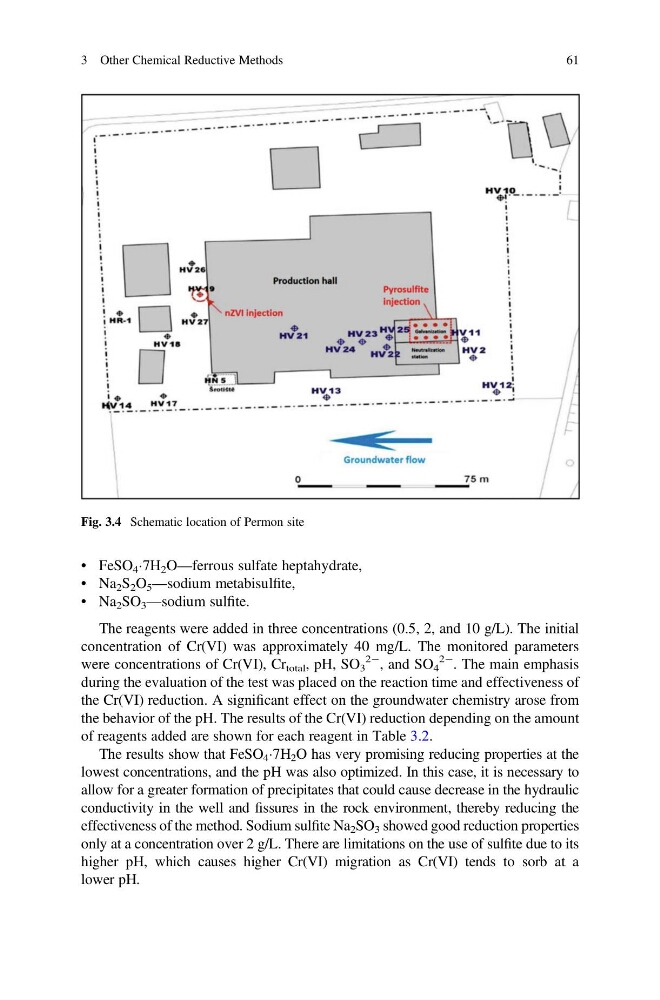
Fig. 3.4 Schematic location of Permon site
3 Other Chemical Reductive Methods
61
• Na 2 S 2 O 5 —sodium metabisulfite,
• Na 2 SO 3 —sodium sulfite.
The reagents were added in three concentrations (0.5, 2, and 10 g/L). The initial
concentration of Cr(VI) was approximately 40 mg/L. The monitored parameters
were concentrations of Cr(VI), Cr total , pH, SO 3
2À , and SO 4
2À
. The main emphasis
during the evaluation of the test was placed on the reaction time and effectiveness of
the Cr(VI) reduction. A significant effect on the groundwater chemistry arose from
the behavior of the pH. The results of the Cr(VI) reduction depending on the amount
of reagents added are shown for each reagent in Table 3.2.
The results show that FeSO 4 Á7H 2 O has very promising reducing properties at the
lowest concentrations, and the pH was also optimized. In this case, it is necessary to
allow for a greater formation of precipitates that could cause decrease in the hydraulic
conductivity in the well and fissures in the rock environment, thereby reducing the
effectiveness of the method. Sodium sulfite Na 2 SO 3 showed good reduction properties
only at a concentration over 2 g/L. There are limitations on the use of sulfite due to its
higher pH, which causes higher Cr(VI) migration as Cr(VI) tends to sorb at a
lower pH.
Fig. 3.4 Schematic location of Permon site
3 Other Chemical Reductive Methods
61