

recent developments in the nanotechnology-based sensors for water quality
monitoring.
2 Microfluidic Sensors
Development of portable sensing devices for field use is trending now-a-days, thus
small devices are gaining popularity having low cost, high sensitivity, specific and
easy to use. Microfluidic sensors were earlier used for mostly detecting
non-biological contaminant in water like pesticides, mercury, arsenic, phosphate.
But with the progress, microfluidic devices have found their way in detecting
biological contaminants too [14, 15]. Microliters of samples in micron length of
reaction chambers can be used by Microfluidic devices [16]. Microfluidic devices
are capable of providing biological assays and on-chip chemical assays with lesser
quantity of reagent and consumption of sample, controlled manner of handling the
sample and reaction, well-controlled microenvironments, high-throughput experimentation [17]. A variety of materials like silicon, glass, PDMS have been utilized
for fabricating microfluidic sensors. Timeline for substrates used for making
microfluidic based devices has been shown in Fig. 2. But recently paper based
microfluidic sensors have received attention from researchers [18–20] for water
monitoring. The paper based microfluidic devices were first reported in 2007, and
later on a lot of advancements were done in them like use of new printing techniques, integrating the devices with cameras/smartphones, use of nanomaterials in
the devices. In 2018, a new substrate thread, was reported for microfluidic devices
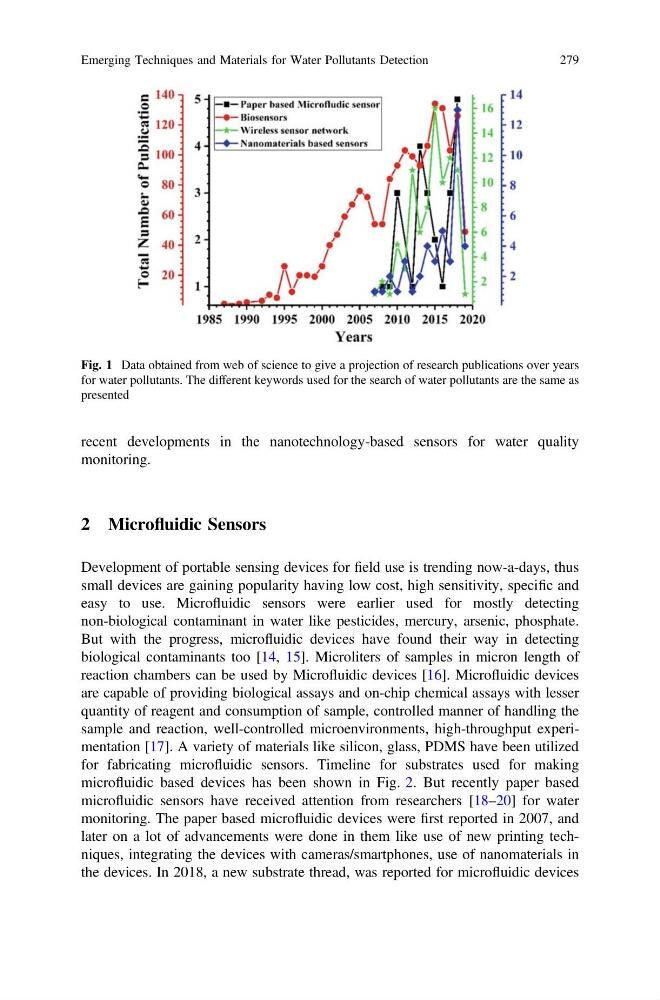
Fig. 1 Data obtained from web of science to give a projection of research publications over years
for water pollutants. The different keywords used for the search of water pollutants are the same as
presented
Emerging Techniques and Materials for Water Pollutants Detection
279
monitoring.
2 Microfluidic Sensors
Development of portable sensing devices for field use is trending now-a-days, thus
small devices are gaining popularity having low cost, high sensitivity, specific and
easy to use. Microfluidic sensors were earlier used for mostly detecting
non-biological contaminant in water like pesticides, mercury, arsenic, phosphate.
But with the progress, microfluidic devices have found their way in detecting
biological contaminants too [14, 15]. Microliters of samples in micron length of
reaction chambers can be used by Microfluidic devices [16]. Microfluidic devices
are capable of providing biological assays and on-chip chemical assays with lesser
quantity of reagent and consumption of sample, controlled manner of handling the
sample and reaction, well-controlled microenvironments, high-throughput experimentation [17]. A variety of materials like silicon, glass, PDMS have been utilized
for fabricating microfluidic sensors. Timeline for substrates used for making
microfluidic based devices has been shown in Fig. 2. But recently paper based
microfluidic sensors have received attention from researchers [18–20] for water
monitoring. The paper based microfluidic devices were first reported in 2007, and
later on a lot of advancements were done in them like use of new printing techniques, integrating the devices with cameras/smartphones, use of nanomaterials in
the devices. In 2018, a new substrate thread, was reported for microfluidic devices
Fig. 1 Data obtained from web of science to give a projection of research publications over years
for water pollutants. The different keywords used for the search of water pollutants are the same as
presented
Emerging Techniques and Materials for Water Pollutants Detection
279