

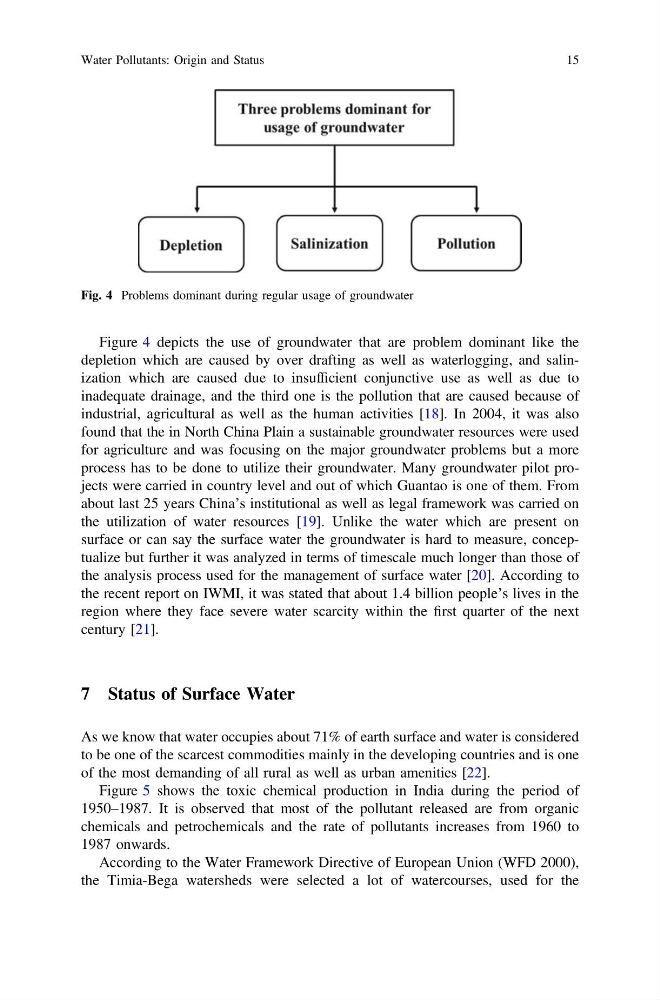
Figure 4 depicts the use of groundwater that are problem dominant like the
depletion which are caused by over drafting as well as waterlogging, and salinization which are caused due to insufficient conjunctive use as well as due to
inadequate drainage, and the third one is the pollution that are caused because of
industrial, agricultural as well as the human activities [18]. In 2004, it was also
found that the in North China Plain a sustainable groundwater resources were used
for agriculture and was focusing on the major groundwater problems but a more
process has to be done to utilize their groundwater. Many groundwater pilot projects were carried in country level and out of which Guantao is one of them. From
about last 25 years China’s institutional as well as legal framework was carried on
the utilization of water resources [19]. Unlike the water which are present on
surface or can say the surface water the groundwater is hard to measure, conceptualize but further it was analyzed in terms of timescale much longer than those of
the analysis process used for the management of surface water [20]. According to
the recent report on IWMI, it was stated that about 1.4 billion people’s lives in the
region where they face severe water scarcity within the first quarter of the next
century [21].
7 Status of Surface Water
As we know that water occupies about 71% of earth surface and water is considered
to be one of the scarcest commodities mainly in the developing countries and is one
of the most demanding of all rural as well as urban amenities [22].
Figure 5 shows the toxic chemical production in India during the period of
1950–1987. It is observed that most of the pollutant released are from organic
chemicals and petrochemicals and the rate of pollutants increases from 1960 to
1987 onwards.
According to the Water Framework Directive of European Union (WFD 2000),
the Timia-Bega watersheds were selected a lot of watercourses, used for the
Fig. 4 Problems dominant during regular usage of groundwater
Water Pollutants: Origin and Status
15
depletion which are caused by over drafting as well as waterlogging, and salinization which are caused due to insufficient conjunctive use as well as due to
inadequate drainage, and the third one is the pollution that are caused because of
industrial, agricultural as well as the human activities [18]. In 2004, it was also
found that the in North China Plain a sustainable groundwater resources were used
for agriculture and was focusing on the major groundwater problems but a more
process has to be done to utilize their groundwater. Many groundwater pilot projects were carried in country level and out of which Guantao is one of them. From
about last 25 years China’s institutional as well as legal framework was carried on
the utilization of water resources [19]. Unlike the water which are present on
surface or can say the surface water the groundwater is hard to measure, conceptualize but further it was analyzed in terms of timescale much longer than those of
the analysis process used for the management of surface water [20]. According to
the recent report on IWMI, it was stated that about 1.4 billion people’s lives in the
region where they face severe water scarcity within the first quarter of the next
century [21].
7 Status of Surface Water
As we know that water occupies about 71% of earth surface and water is considered
to be one of the scarcest commodities mainly in the developing countries and is one
of the most demanding of all rural as well as urban amenities [22].
Figure 5 shows the toxic chemical production in India during the period of
1950–1987. It is observed that most of the pollutant released are from organic
chemicals and petrochemicals and the rate of pollutants increases from 1960 to
1987 onwards.
According to the Water Framework Directive of European Union (WFD 2000),
the Timia-Bega watersheds were selected a lot of watercourses, used for the
Fig. 4 Problems dominant during regular usage of groundwater
Water Pollutants: Origin and Status
15