

4 Sources of Water Pollutants
The major sources of water pollution that result in contamination are direct and
indirect ones, in addition to other sources.
Direct pollution is caused by releasing fluids directly into the water, such as a
company that expels contaminated water or toxic solids mixed directly with water
into the sea or river. This makes the water poisonous, every so often resulting in
death, for fish and other aquatic creatures. Nevertheless, animals also drink this
water, which also bring to them ill health or death. It can also affect to humans. In
developed countries, people no longer depend on drinking water from the stream or
river. There is still a risk for those who swim in or participate in activities such as
canoeing on polluted water, as some of them can cause illness and even death [8].
Indirect water pollution is not caused by the introduction of contaminants
directly into the water, but by those that end up there. An example includes fertilizer
and pesticide chemicals that are washed slowly through the soil and find their way
into groundwater and then into various watercourses. In addition, air pollution can
cause acid rain to fall to the ground, which can be extremely harmful to wildlife,
including polluting lakes, streams and shores, and make the water deadly for those
creatures that leave in and near it [8].
Whether it’s direct or indirect water pollution (Fig. 3), the results can still be the
same, i.e. disease and possibly death to any living thing that lives in it or takes in
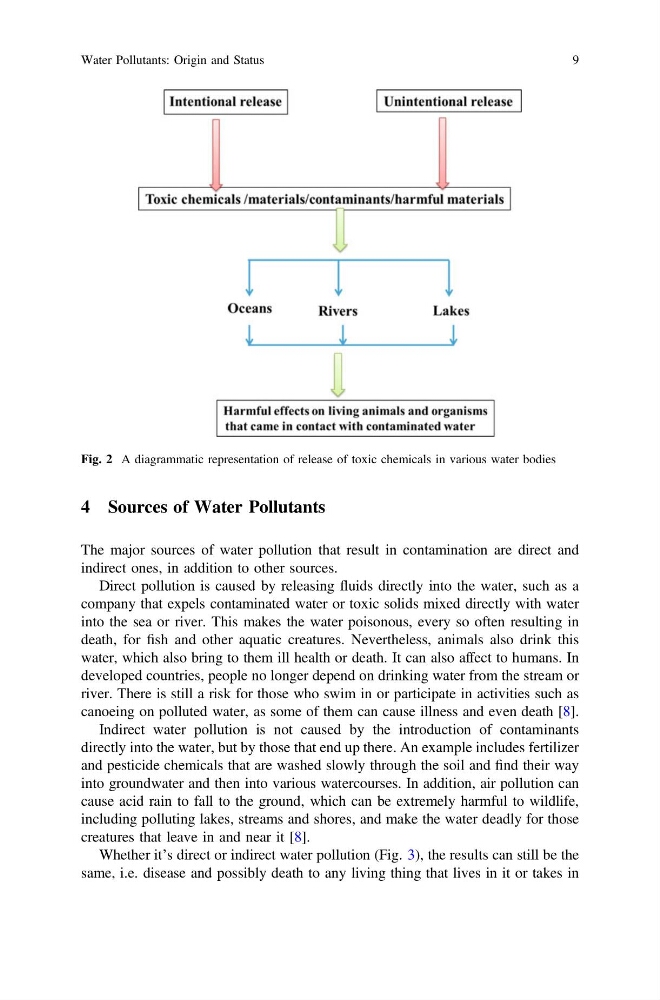
Fig. 2 A diagrammatic representation of release of toxic chemicals in various water bodies
Water Pollutants: Origin and Status
9
The major sources of water pollution that result in contamination are direct and
indirect ones, in addition to other sources.
Direct pollution is caused by releasing fluids directly into the water, such as a
company that expels contaminated water or toxic solids mixed directly with water
into the sea or river. This makes the water poisonous, every so often resulting in
death, for fish and other aquatic creatures. Nevertheless, animals also drink this
water, which also bring to them ill health or death. It can also affect to humans. In
developed countries, people no longer depend on drinking water from the stream or
river. There is still a risk for those who swim in or participate in activities such as
canoeing on polluted water, as some of them can cause illness and even death [8].
Indirect water pollution is not caused by the introduction of contaminants
directly into the water, but by those that end up there. An example includes fertilizer
and pesticide chemicals that are washed slowly through the soil and find their way
into groundwater and then into various watercourses. In addition, air pollution can
cause acid rain to fall to the ground, which can be extremely harmful to wildlife,
including polluting lakes, streams and shores, and make the water deadly for those
creatures that leave in and near it [8].
Whether it’s direct or indirect water pollution (Fig. 3), the results can still be the
same, i.e. disease and possibly death to any living thing that lives in it or takes in
Fig. 2 A diagrammatic representation of release of toxic chemicals in various water bodies
Water Pollutants: Origin and Status
9