

114
or natural gas is gasified by steam in the first step into synthesis gas, called thereafter syngas—a mixture containing mainly carbon monoxide and hydrogen, the latter two react together in the second step to form methanol (Eq. (2) in Table 5.1).
This production route using fossil resources has high environmental impact by
greenhouse gas emission into the atmosphere. An alternative solution is the selective hydrogenation of carbon dioxide into methanol (Eq. (1) in Table 5.1). The concept is based on the valorization of carbon dioxide, captured from industrial
emissions, by using hydrogen generated from renewable electricity, e.g., solar
energy, wind energy, and geothermal energy (Leonzio 2018; Centi and Perathoner
2009; Kiss et al. 2016) as illustrated in Fig. 5.2. This allows methanol production with the minimization of carbon dioxide emission into the atmosphere. This
also offers a possibility to store electrical energy, which is produced in excess from
renewable resources, in chemical form, e.g., methanol in this case (Kiss et al. 2016).
The main challenge of selective hydrogenation of carbon dioxide into methanol
is related to the recalcitrant character of carbon dioxide. This molecule is chemically stable and difficult to be reformed. This process also leads to the formation of
several coproducts, e.g., carbon monoxide, methane, ethane, water, and solid carbon, so the control of the selectivity of the process into methanol must be overcome
(Dang et al. 2018). The design of an efficient catalyst combined with the reactor
engineering and the control of the temperature and pressure and the composition of
the feeding mixtures are generally attempted to optimize the carbon dioxide conversion and the selectivity into methanol. This is presented in this book chapter which
is organized into four parts: (i) thermodynamic aspect of the carbon dioxide hydrogenation; (ii) carbon dioxide hydrogenation in the gas phase; (iii) carbon dioxide
hydrogenation in the liquid phase; and (iv) examples of pilot and commercial plants
of methanol production from hydrogen and carbon dioxide.
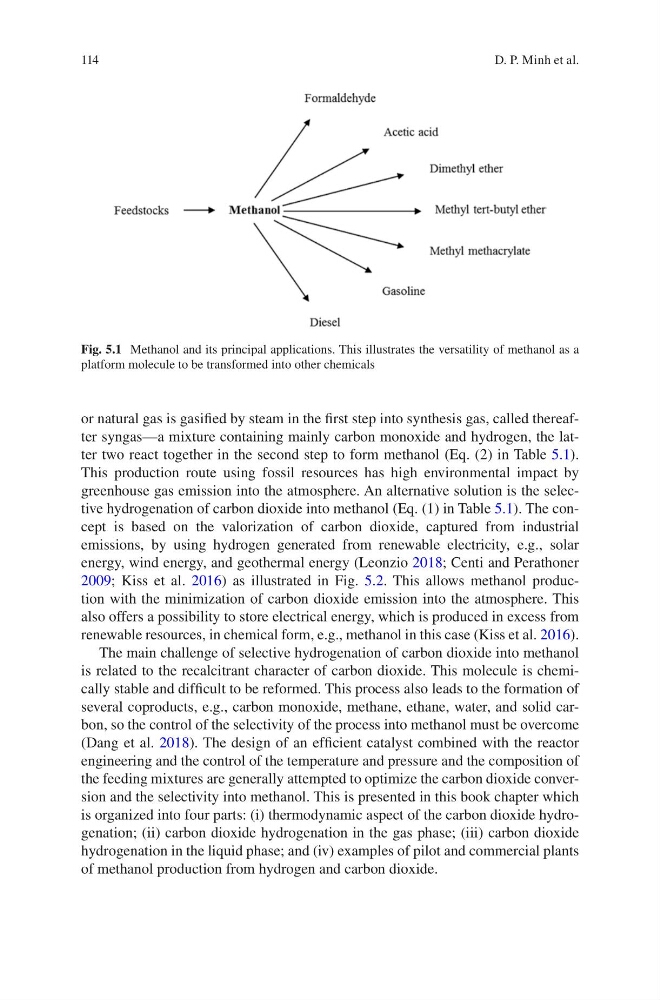
Fig. 5.1 Methanol and its principal applications. This illustrates the versatility of methanol as a
platform molecule to be transformed into other chemicals
D. P. Minh et al.
or natural gas is gasified by steam in the first step into synthesis gas, called thereafter syngas—a mixture containing mainly carbon monoxide and hydrogen, the latter two react together in the second step to form methanol (Eq. (2) in Table 5.1).
This production route using fossil resources has high environmental impact by
greenhouse gas emission into the atmosphere. An alternative solution is the selective hydrogenation of carbon dioxide into methanol (Eq. (1) in Table 5.1). The concept is based on the valorization of carbon dioxide, captured from industrial
emissions, by using hydrogen generated from renewable electricity, e.g., solar
energy, wind energy, and geothermal energy (Leonzio 2018; Centi and Perathoner
2009; Kiss et al. 2016) as illustrated in Fig. 5.2. This allows methanol production with the minimization of carbon dioxide emission into the atmosphere. This
also offers a possibility to store electrical energy, which is produced in excess from
renewable resources, in chemical form, e.g., methanol in this case (Kiss et al. 2016).
The main challenge of selective hydrogenation of carbon dioxide into methanol
is related to the recalcitrant character of carbon dioxide. This molecule is chemically stable and difficult to be reformed. This process also leads to the formation of
several coproducts, e.g., carbon monoxide, methane, ethane, water, and solid carbon, so the control of the selectivity of the process into methanol must be overcome
(Dang et al. 2018). The design of an efficient catalyst combined with the reactor
engineering and the control of the temperature and pressure and the composition of
the feeding mixtures are generally attempted to optimize the carbon dioxide conversion and the selectivity into methanol. This is presented in this book chapter which
is organized into four parts: (i) thermodynamic aspect of the carbon dioxide hydrogenation; (ii) carbon dioxide hydrogenation in the gas phase; (iii) carbon dioxide
hydrogenation in the liquid phase; and (iv) examples of pilot and commercial plants
of methanol production from hydrogen and carbon dioxide.
Fig. 5.1 Methanol and its principal applications. This illustrates the versatility of methanol as a
platform molecule to be transformed into other chemicals
D. P. Minh et al.