

14 Perspectives of Aptamers for Medical Applications
435
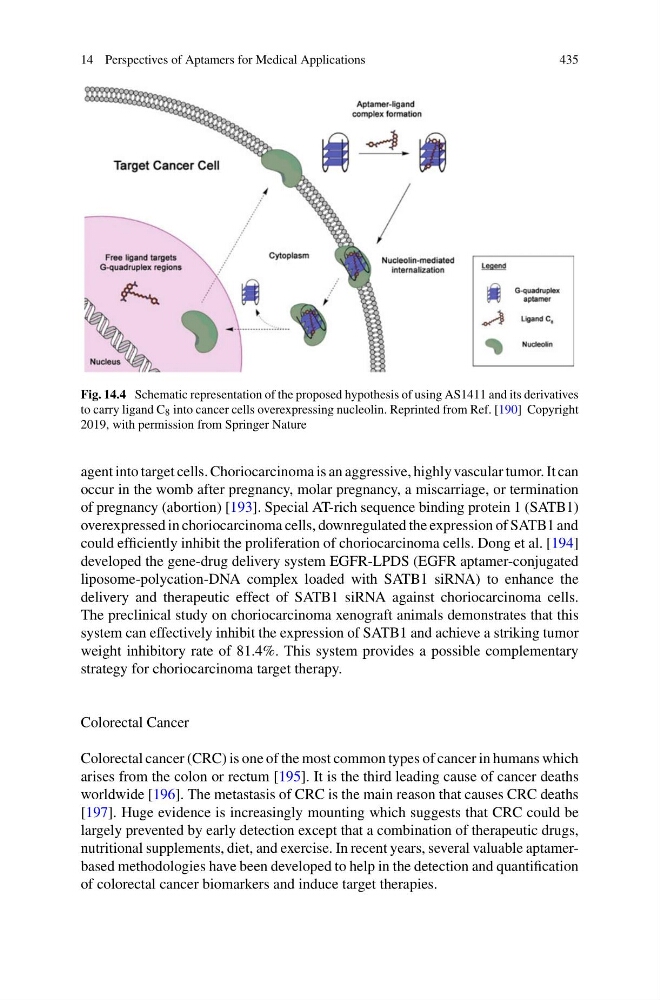
Fig. 14.4 Schematic representation of the proposed hypothesis of using AS1411 and its derivatives
to carry ligand C 8 into cancer cells overexpressing nucleolin. Reprinted from Ref. [190] Copyright
2019, with permission from Springer Nature
agent into target cells. Choriocarcinoma is an aggressive, highly vascular tumor. It can
occur in the womb after pregnancy, molar pregnancy, a miscarriage, or termination
of pregnancy (abortion) [193]. Special AT-rich sequence binding protein 1 (SATB1)
overexpressed in choriocarcinoma cells, downregulated the expression of SATB1 and
could efficiently inhibit the proliferation of choriocarcinoma cells. Dong et al. [194]
developed the gene-drug delivery system EGFR-LPDS (EGFR aptamer-conjugated
liposome-polycation-DNA complex loaded with SATB1 siRNA) to enhance the
delivery and therapeutic effect of SATB1 siRNA against choriocarcinoma cells.
The preclinical study on choriocarcinoma xenograft animals demonstrates that this
system can effectively inhibit the expression of SATB1 and achieve a striking tumor
weight inhibitory rate of 81.4%. This system provides a possible complementary
strategy for choriocarcinoma target therapy.
Colorectal Cancer
Colorectal cancer (CRC) is one of the most common types of cancer in humans which
arises from the colon or rectum [195]. It is the third leading cause of cancer deaths
worldwide [196]. The metastasis of CRC is the main reason that causes CRC deaths
[197]. Huge evidence is increasingly mounting which suggests that CRC could be
largely prevented by early detection except that a combination of therapeutic drugs,
nutritional supplements, diet, and exercise. In recent years, several valuable aptamerbased methodologies have been developed to help in the detection and quantification
of colorectal cancer biomarkers and induce target therapies.
435
Fig. 14.4 Schematic representation of the proposed hypothesis of using AS1411 and its derivatives
to carry ligand C 8 into cancer cells overexpressing nucleolin. Reprinted from Ref. [190] Copyright
2019, with permission from Springer Nature
agent into target cells. Choriocarcinoma is an aggressive, highly vascular tumor. It can
occur in the womb after pregnancy, molar pregnancy, a miscarriage, or termination
of pregnancy (abortion) [193]. Special AT-rich sequence binding protein 1 (SATB1)
overexpressed in choriocarcinoma cells, downregulated the expression of SATB1 and
could efficiently inhibit the proliferation of choriocarcinoma cells. Dong et al. [194]
developed the gene-drug delivery system EGFR-LPDS (EGFR aptamer-conjugated
liposome-polycation-DNA complex loaded with SATB1 siRNA) to enhance the
delivery and therapeutic effect of SATB1 siRNA against choriocarcinoma cells.
The preclinical study on choriocarcinoma xenograft animals demonstrates that this
system can effectively inhibit the expression of SATB1 and achieve a striking tumor
weight inhibitory rate of 81.4%. This system provides a possible complementary
strategy for choriocarcinoma target therapy.
Colorectal Cancer
Colorectal cancer (CRC) is one of the most common types of cancer in humans which
arises from the colon or rectum [195]. It is the third leading cause of cancer deaths
worldwide [196]. The metastasis of CRC is the main reason that causes CRC deaths
[197]. Huge evidence is increasingly mounting which suggests that CRC could be
largely prevented by early detection except that a combination of therapeutic drugs,
nutritional supplements, diet, and exercise. In recent years, several valuable aptamerbased methodologies have been developed to help in the detection and quantification
of colorectal cancer biomarkers and induce target therapies.