

230
T. Zhang et al.
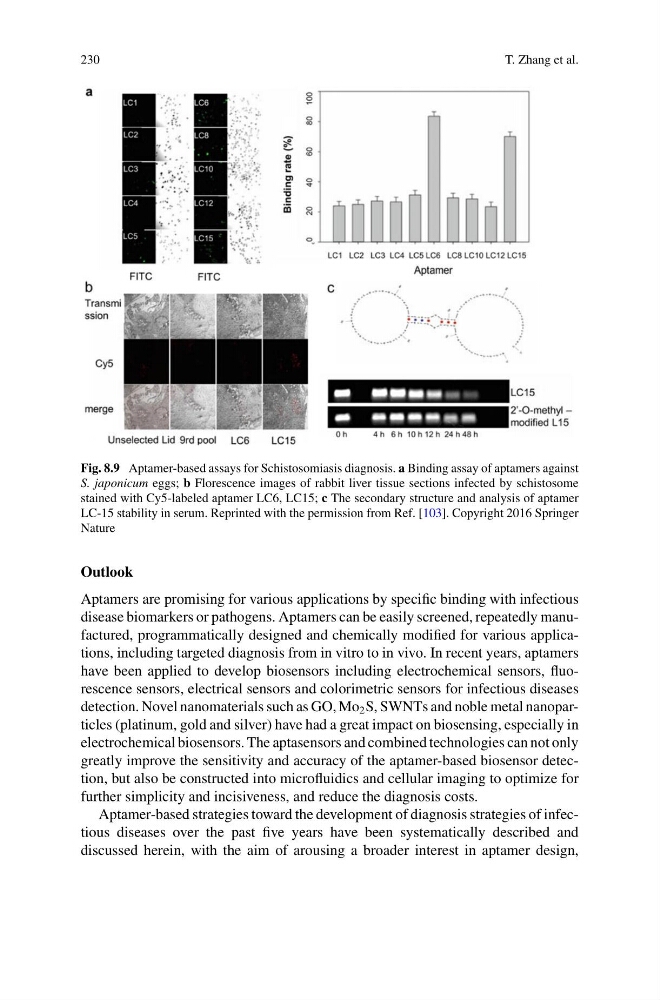
Fig. 8.9 Aptamer-based assays for Schistosomiasis diagnosis. a Binding assay of aptamers against
S. japonicum eggs; b Florescence images of rabbit liver tissue sections infected by schistosome
stained with Cy5-labeled aptamer LC6, LC15; c The secondary structure and analysis of aptamer
LC-15 stability in serum. Reprinted with the permission from Ref. [103]. Copyright 2016 Springer
Nature
Outlook
Aptamers are promising for various applications by specific binding with infectious
disease biomarkers or pathogens. Aptamers can be easily screened, repeatedly manufactured, programmatically designed and chemically modified for various applications, including targeted diagnosis from in vitro to in vivo. In recent years, aptamers
have been applied to develop biosensors including electrochemical sensors, fluorescence sensors, electrical sensors and colorimetric sensors for infectious diseases
detection. Novel nanomaterials such as GO, Mo 2 S, SWNTs and noble metal nanoparticles (platinum, gold and silver) have had a great impact on biosensing, especially in
electrochemical biosensors. The aptasensors and combined technologies can not only
greatly improve the sensitivity and accuracy of the aptamer-based biosensor detection, but also be constructed into microfluidics and cellular imaging to optimize for
further simplicity and incisiveness, and reduce the diagnosis costs.
Aptamer-based strategies toward the development of diagnosis strategies of infectious diseases over the past five years have been systematically described and
discussed herein, with the aim of arousing a broader interest in aptamer design,
T. Zhang et al.
Fig. 8.9 Aptamer-based assays for Schistosomiasis diagnosis. a Binding assay of aptamers against
S. japonicum eggs; b Florescence images of rabbit liver tissue sections infected by schistosome
stained with Cy5-labeled aptamer LC6, LC15; c The secondary structure and analysis of aptamer
LC-15 stability in serum. Reprinted with the permission from Ref. [103]. Copyright 2016 Springer
Nature
Outlook
Aptamers are promising for various applications by specific binding with infectious
disease biomarkers or pathogens. Aptamers can be easily screened, repeatedly manufactured, programmatically designed and chemically modified for various applications, including targeted diagnosis from in vitro to in vivo. In recent years, aptamers
have been applied to develop biosensors including electrochemical sensors, fluorescence sensors, electrical sensors and colorimetric sensors for infectious diseases
detection. Novel nanomaterials such as GO, Mo 2 S, SWNTs and noble metal nanoparticles (platinum, gold and silver) have had a great impact on biosensing, especially in
electrochemical biosensors. The aptasensors and combined technologies can not only
greatly improve the sensitivity and accuracy of the aptamer-based biosensor detection, but also be constructed into microfluidics and cellular imaging to optimize for
further simplicity and incisiveness, and reduce the diagnosis costs.
Aptamer-based strategies toward the development of diagnosis strategies of infectious diseases over the past five years have been systematically described and
discussed herein, with the aim of arousing a broader interest in aptamer design,