

6 Aptamers for Targeted Therapy
151
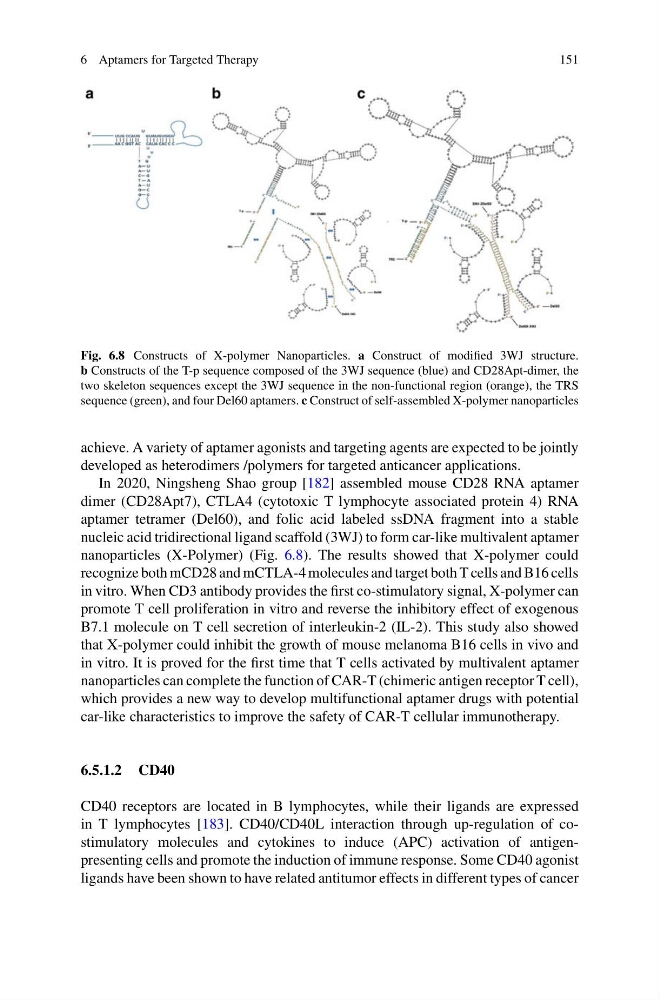
Fig. 6.8 Constructs of X-polymer Nanoparticles. a Construct of modified 3WJ structure.
b Constructs of the T-p sequence composed of the 3WJ sequence (blue) and CD28Apt-dimer, the
two skeleton sequences except the 3WJ sequence in the non-functional region (orange), the TRS
sequence (green), and four Del60 aptamers. c Construct of self-assembled X-polymer nanoparticles
achieve. A variety of aptamer agonists and targeting agents are expected to be jointly
developed as heterodimers /polymers for targeted anticancer applications.
In 2020, Ningsheng Shao group [182] assembled mouse CD28 RNA aptamer
dimer (CD28Apt7), CTLA4 (cytotoxic T lymphocyte associated protein 4) RNA
aptamer tetramer (Del60), and folic acid labeled ssDNA fragment into a stable
nucleic acid tridirectional ligand scaffold (3WJ) to form car-like multivalent aptamer
nanoparticles (X-Polymer) (Fig. 6.8). The results showed that X-polymer could
recognize both mCD28 and mCTLA-4 molecules and target both T cells and B16 cells
in vitro. When CD3 antibody provides the first co-stimulatory signal, X-polymer can
promote T cell proliferation in vitro and reverse the inhibitory effect of exogenous
B7.1 molecule on T cell secretion of interleukin-2 (IL-2). This study also showed
that X-polymer could inhibit the growth of mouse melanoma B16 cells in vivo and
in vitro. It is proved for the first time that T cells activated by multivalent aptamer
nanoparticles can complete the function of CAR-T (chimeric antigen receptor T cell),
which provides a new way to develop multifunctional aptamer drugs with potential
car-like characteristics to improve the safety of CAR-T cellular immunotherapy.
6.5.1.2 CD40
CD40 receptors are located in B lymphocytes, while their ligands are expressed
in T lymphocytes [183]. CD40/CD40L interaction through up-regulation of costimulatory molecules and cytokines to induce (APC) activation of antigenpresenting cells and promote the induction of immune response. Some CD40 agonist
ligands have been shown to have related antitumor effects in different types of cancer
151
Fig. 6.8 Constructs of X-polymer Nanoparticles. a Construct of modified 3WJ structure.
b Constructs of the T-p sequence composed of the 3WJ sequence (blue) and CD28Apt-dimer, the
two skeleton sequences except the 3WJ sequence in the non-functional region (orange), the TRS
sequence (green), and four Del60 aptamers. c Construct of self-assembled X-polymer nanoparticles
achieve. A variety of aptamer agonists and targeting agents are expected to be jointly
developed as heterodimers /polymers for targeted anticancer applications.
In 2020, Ningsheng Shao group [182] assembled mouse CD28 RNA aptamer
dimer (CD28Apt7), CTLA4 (cytotoxic T lymphocyte associated protein 4) RNA
aptamer tetramer (Del60), and folic acid labeled ssDNA fragment into a stable
nucleic acid tridirectional ligand scaffold (3WJ) to form car-like multivalent aptamer
nanoparticles (X-Polymer) (Fig. 6.8). The results showed that X-polymer could
recognize both mCD28 and mCTLA-4 molecules and target both T cells and B16 cells
in vitro. When CD3 antibody provides the first co-stimulatory signal, X-polymer can
promote T cell proliferation in vitro and reverse the inhibitory effect of exogenous
B7.1 molecule on T cell secretion of interleukin-2 (IL-2). This study also showed
that X-polymer could inhibit the growth of mouse melanoma B16 cells in vivo and
in vitro. It is proved for the first time that T cells activated by multivalent aptamer
nanoparticles can complete the function of CAR-T (chimeric antigen receptor T cell),
which provides a new way to develop multifunctional aptamer drugs with potential
car-like characteristics to improve the safety of CAR-T cellular immunotherapy.
6.5.1.2 CD40
CD40 receptors are located in B lymphocytes, while their ligands are expressed
in T lymphocytes [183]. CD40/CD40L interaction through up-regulation of costimulatory molecules and cytokines to induce (APC) activation of antigenpresenting cells and promote the induction of immune response. Some CD40 agonist
ligands have been shown to have related antitumor effects in different types of cancer