

40
T. Cheng et al.
BILAYER BENDING
WOODEN
ACTUATOR
ANISOTROPIC
STRETCHING
ANISOTROPIC
BENDING
6 .5
c m
8 c m
1 0 c m
A
B
C
E
D
F
5 cm
RADIAL
COMPRESSION
GRADATED
STRETCHING
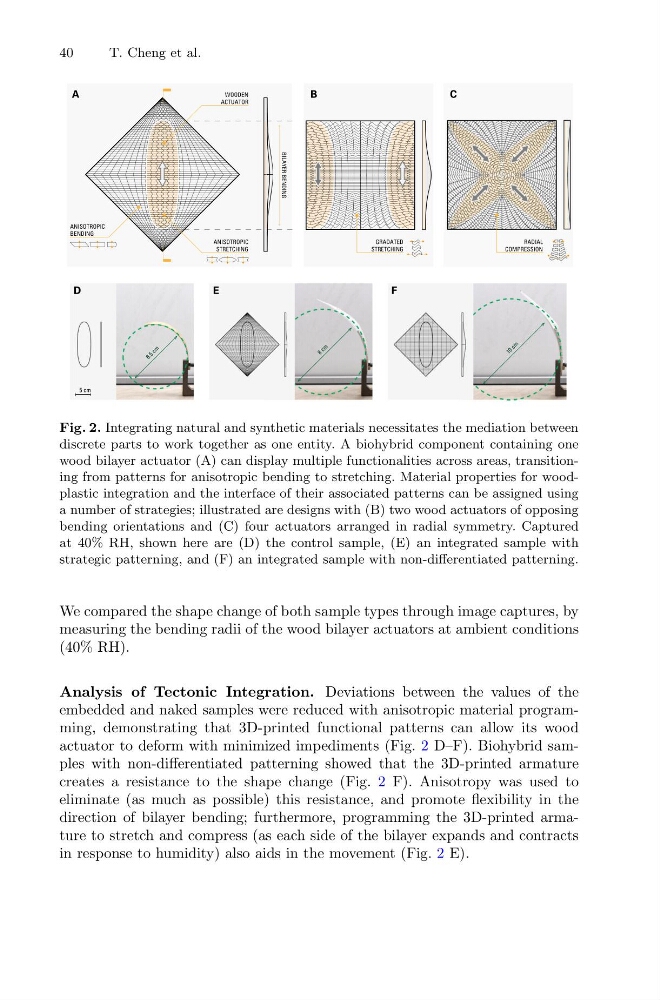
Fig. 2. Integrating natural and synthetic materials necessitates the mediation between
discrete parts to work together as one entity. A biohybrid component containing one
wood bilayer actuator (A) can display multiple functionalities across areas, transitioning from patterns for anisotropic bending to stretching. Material properties for woodplastic integration and the interface of their associated patterns can be assigned using
a number of strategies; illustrated are designs with (B) two wood actuators of opposing
bending orientations and (C) four actuators arranged in radial symmetry. Captured
at 40% RH, shown here are (D) the control sample, (E) an integrated sample with
strategic patterning, and (F) an integrated sample with non-differentiated patterning.
We compared the shape change of both sample types through image captures, by
measuring the bending radii of the wood bilayer actuators at ambient conditions
(40% RH).
Analysis of Tectonic Integration. Deviations between the values of the
embedded and naked samples were reduced with anisotropic material programming, demonstrating that 3D-printed functional patterns can allow its wood
actuator to deform with minimized impediments (Fig. 2 D–F). Biohybrid samples with non-differentiated patterning showed that the 3D-printed armature
creates a resistance to the shape change (Fig. 2 F). Anisotropy was used to
eliminate (as much as possible) this resistance, and promote flexibility in the
direction of bilayer bending; furthermore, programming the 3D-printed armature to stretch and compress (as each side of the bilayer expands and contracts
in response to humidity) also aids in the movement (Fig. 2 E).
T. Cheng et al.
BILAYER BENDING
WOODEN
ACTUATOR
ANISOTROPIC
STRETCHING
ANISOTROPIC
BENDING
6 .5
c m
8 c m
1 0 c m
A
B
C
E
D
F
5 cm
RADIAL
COMPRESSION
GRADATED
STRETCHING
Fig. 2. Integrating natural and synthetic materials necessitates the mediation between
discrete parts to work together as one entity. A biohybrid component containing one
wood bilayer actuator (A) can display multiple functionalities across areas, transitioning from patterns for anisotropic bending to stretching. Material properties for woodplastic integration and the interface of their associated patterns can be assigned using
a number of strategies; illustrated are designs with (B) two wood actuators of opposing
bending orientations and (C) four actuators arranged in radial symmetry. Captured
at 40% RH, shown here are (D) the control sample, (E) an integrated sample with
strategic patterning, and (F) an integrated sample with non-differentiated patterning.
We compared the shape change of both sample types through image captures, by
measuring the bending radii of the wood bilayer actuators at ambient conditions
(40% RH).
Analysis of Tectonic Integration. Deviations between the values of the
embedded and naked samples were reduced with anisotropic material programming, demonstrating that 3D-printed functional patterns can allow its wood
actuator to deform with minimized impediments (Fig. 2 D–F). Biohybrid samples with non-differentiated patterning showed that the 3D-printed armature
creates a resistance to the shape change (Fig. 2 F). Anisotropy was used to
eliminate (as much as possible) this resistance, and promote flexibility in the
direction of bilayer bending; furthermore, programming the 3D-printed armature to stretch and compress (as each side of the bilayer expands and contracts
in response to humidity) also aids in the movement (Fig. 2 E).