

View Based Navigation Exploiting Temporal Information
209
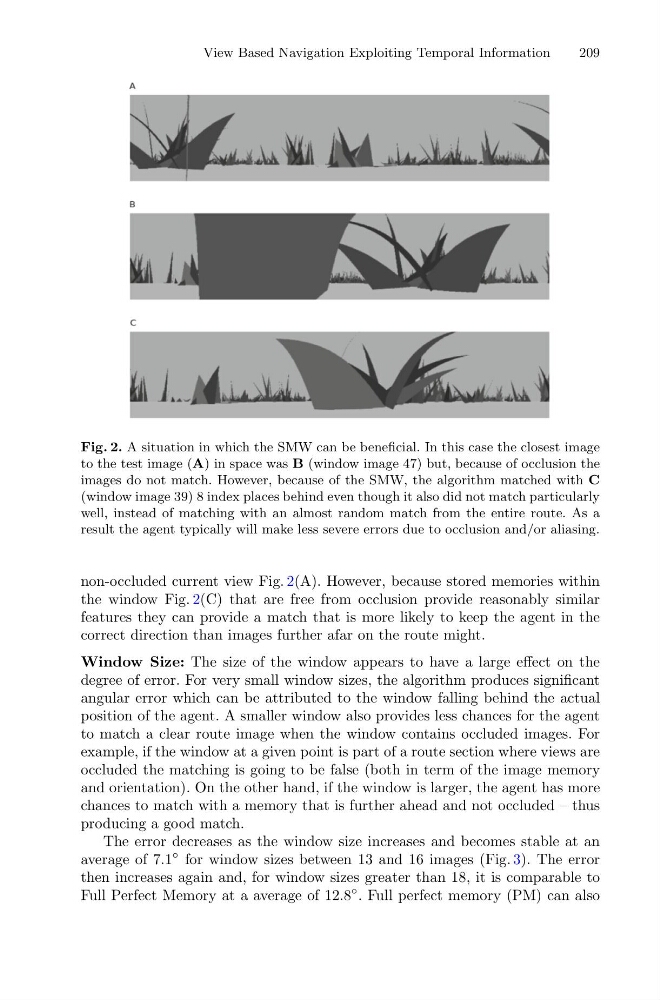
Fig. 2. A situation in which the SMW can be beneficial. In this case the closest image
to the test image (A) in space was B (window image 47) but, because of occlusion the
images do not match. However, because of the SMW, the algorithm matched with C
(window image 39) 8 index places behind even though it also did not match particularly
well, instead of matching with an almost random match from the entire route. As a
result the agent typically will make less severe errors due to occlusion and/or aliasing.
non-occluded current view Fig. 2(A). However, because stored memories within
the window Fig. 2(C) that are free from occlusion provide reasonably similar
features they can provide a match that is more likely to keep the agent in the
correct direction than images further afar on the route might.
Window Size: The size of the window appears to have a large effect on the
degree of error. For very small window sizes, the algorithm produces significant
angular error which can be attributed to the window falling behind the actual
position of the agent. A smaller window also provides less chances for the agent
to match a clear route image when the window contains occluded images. For
example, if the window at a given point is part of a route section where views are
occluded the matching is going to be false (both in term of the image memory
and orientation). On the other hand, if the window is larger, the agent has more
chances to match with a memory that is further ahead and not occluded – thus
producing a good match.
The error decreases as the window size increases and becomes stable at an
average of 7.1
◦ for window sizes between 13 and 16 images (Fig. 3). The error
then increases again and, for window sizes greater than 18, it is comparable to
Full Perfect Memory at a average of 12.8
◦ . Full perfect memory (PM) can also
209
Fig. 2. A situation in which the SMW can be beneficial. In this case the closest image
to the test image (A) in space was B (window image 47) but, because of occlusion the
images do not match. However, because of the SMW, the algorithm matched with C
(window image 39) 8 index places behind even though it also did not match particularly
well, instead of matching with an almost random match from the entire route. As a
result the agent typically will make less severe errors due to occlusion and/or aliasing.
non-occluded current view Fig. 2(A). However, because stored memories within
the window Fig. 2(C) that are free from occlusion provide reasonably similar
features they can provide a match that is more likely to keep the agent in the
correct direction than images further afar on the route might.
Window Size: The size of the window appears to have a large effect on the
degree of error. For very small window sizes, the algorithm produces significant
angular error which can be attributed to the window falling behind the actual
position of the agent. A smaller window also provides less chances for the agent
to match a clear route image when the window contains occluded images. For
example, if the window at a given point is part of a route section where views are
occluded the matching is going to be false (both in term of the image memory
and orientation). On the other hand, if the window is larger, the agent has more
chances to match with a memory that is further ahead and not occluded – thus
producing a good match.
The error decreases as the window size increases and becomes stable at an
average of 7.1
◦ for window sizes between 13 and 16 images (Fig. 3). The error
then increases again and, for window sizes greater than 18, it is comparable to
Full Perfect Memory at a average of 12.8
◦ . Full perfect memory (PM) can also