

5
dumping them. For example, when Phoenix opened in 2010, it promised to build
furnaces in Ohio and Arizona to recycle cathode-ray tube glass into separate streams
of glass and lead, and it received upfront financial backing to get the project going.
Unfortunately, it found itself unable to meet processing demands and ended up with
huge stockpiles of cathode-ray tube, much higher numbers than the Environmental
Protection Agency (EPA) allows without a permit, which caused the company to
cease operating.
The extended producer responsibility laws that promote electronics recycling
also have complicated the process when it comes to a cathode-ray tube. Several
electronics retailers had taken back programs that accepted cathode-ray tubes for
free, in part because the companies only would get credit under extended producer
responsibility (EPR) laws for electronics it collects for free. But once they introduced a recycling fee for cathode-ray tubes, volumes decreased. Disposal of the
cathode-ray tube is a worldwide problem, generating concerns about widespread
dumping not only within the country itself but also problem arising from transboundary shipment resulted from developed to developing countries. When cathoderay tubes were still in use, numerous countries had recycling facilities, and vendors
would ship to other countries to have the glass processed. With the last recycler and
reuse company in India closing their doors to cathode-ray tube in 2015, the avenues
for direct reuse of the glass are gone.
1.3 Disposal and Environmental Issues
There are basically two processes used for recycling of cathode-ray tube: (i) glassto- glass recycling and (ii) secondary lead smelting. The interface between funnel
and panel glass (frit line) is vulnerable to acidic environments and can cause
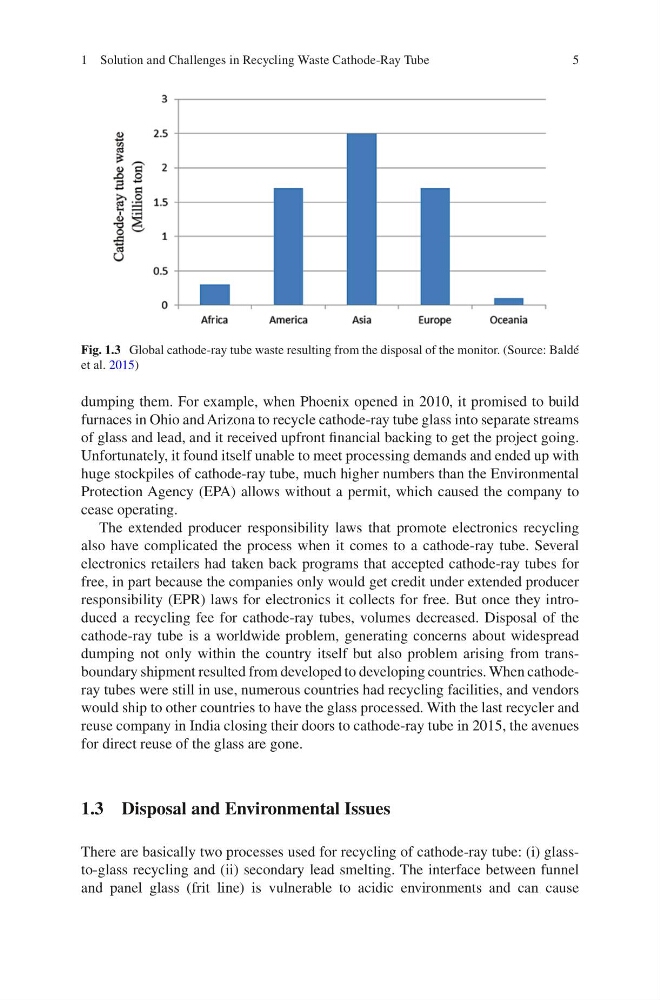
Fig. 1.3 Global cathode-ray tube waste resulting from the disposal of the monitor. (Source: Baldé
et al. 2015)
1 Solution and Challenges in Recycling Waste Cathode-Ray Tube
dumping them. For example, when Phoenix opened in 2010, it promised to build
furnaces in Ohio and Arizona to recycle cathode-ray tube glass into separate streams
of glass and lead, and it received upfront financial backing to get the project going.
Unfortunately, it found itself unable to meet processing demands and ended up with
huge stockpiles of cathode-ray tube, much higher numbers than the Environmental
Protection Agency (EPA) allows without a permit, which caused the company to
cease operating.
The extended producer responsibility laws that promote electronics recycling
also have complicated the process when it comes to a cathode-ray tube. Several
electronics retailers had taken back programs that accepted cathode-ray tubes for
free, in part because the companies only would get credit under extended producer
responsibility (EPR) laws for electronics it collects for free. But once they introduced a recycling fee for cathode-ray tubes, volumes decreased. Disposal of the
cathode-ray tube is a worldwide problem, generating concerns about widespread
dumping not only within the country itself but also problem arising from transboundary shipment resulted from developed to developing countries. When cathoderay tubes were still in use, numerous countries had recycling facilities, and vendors
would ship to other countries to have the glass processed. With the last recycler and
reuse company in India closing their doors to cathode-ray tube in 2015, the avenues
for direct reuse of the glass are gone.
1.3 Disposal and Environmental Issues
There are basically two processes used for recycling of cathode-ray tube: (i) glassto- glass recycling and (ii) secondary lead smelting. The interface between funnel
and panel glass (frit line) is vulnerable to acidic environments and can cause
Fig. 1.3 Global cathode-ray tube waste resulting from the disposal of the monitor. (Source: Baldé
et al. 2015)
1 Solution and Challenges in Recycling Waste Cathode-Ray Tube