

167
According to Denbaars (1997) and Cervi (2005), the elements usually employed
to dope LEDs are gallium, aluminium, arsenic, phosphor, indium, and nitrogen, in
addition to a variety of combinations thereof, which determine the colour emitted
by these devices. Therefore, each LED is defined by the elements that compose it
(Gois 2008). Table 9.4 illustrates the most common elements used in the production
of LEDs.
In lighting systems, the main LEDs used are combinations of gallium and indium
nitrides (InGaN) to generate blue and green tones and indium, gallium, and aluminium phosphides to generate red, orange, and yellow light (Bullough 2003; Cervi
2005; Schubert 2006). The difference in colours obtained is due to small variations
in the proportions of these elements (Bullough 2003; Cervi 2005).
White light LEDs are built according to three main methods. The first, which is
also the simplest and most popular, is based on a layer of phosphor applied on a blue
LED chip (Goiss 2008; Castro 2013; Gassmann et al. 2016). The second is the RGB
method (red, green, blue), which consists of combining red, blue, and green LEDs
(Gois 2008; Castro 2013). The third is based on ultraviolet LED used in combination with the RGB (red, green, blue) LEDs (Gois 2008; Dias 2012).
White LEDs, which are used in lighting bulbs, are built using a blue semiconductor chip and a phosphor layer. Gassmann et al. (2016) underscore the fact that a LED
may contain small amounts in the microgram range of rare earth elements such as
europium and cerium. For example, a 1 mm
2
LED may include 3 μg of cerium or
europium. Other rare elements that are found at between 90 μg and 200 μg in 1 mm
2
include yttrium, lutetium, and gadolinium in grenades such as aluminium and
yttrium (YAG), aluminium and lutetium (LuAG), and aluminium and gadolinium
(GdAG) grenades. In addition, technological metals like gallium and indium are
used in the production of blue LEDs (between 17 μg and 25 μg of gallium and 28 ng
of indium). Silver, tin, nickel, titanium, silicon, and germanium are also used; gold
Substrates,
reactants, and
metals
Materials
LED chip
Bulbs and
fixtures
Product design
Optical set
Thermomechanical set
Electronic set
Driver
Telecommand
Services
Distribution
Special lighting
services
Hotels
Residences
Architectural
Outdoor
Commercial/
offices
Industrial
End user
LED chip
Encapsulated
LED
Equipment
1 billion (2010)
3 billion
(2020)
8 billion (2010)
27 billion
(2020)
8 billion (2010)
230 billion
(2020)
1 billion (2010)
700 billion
(2020)
€
€
€
€
€
€
€
€
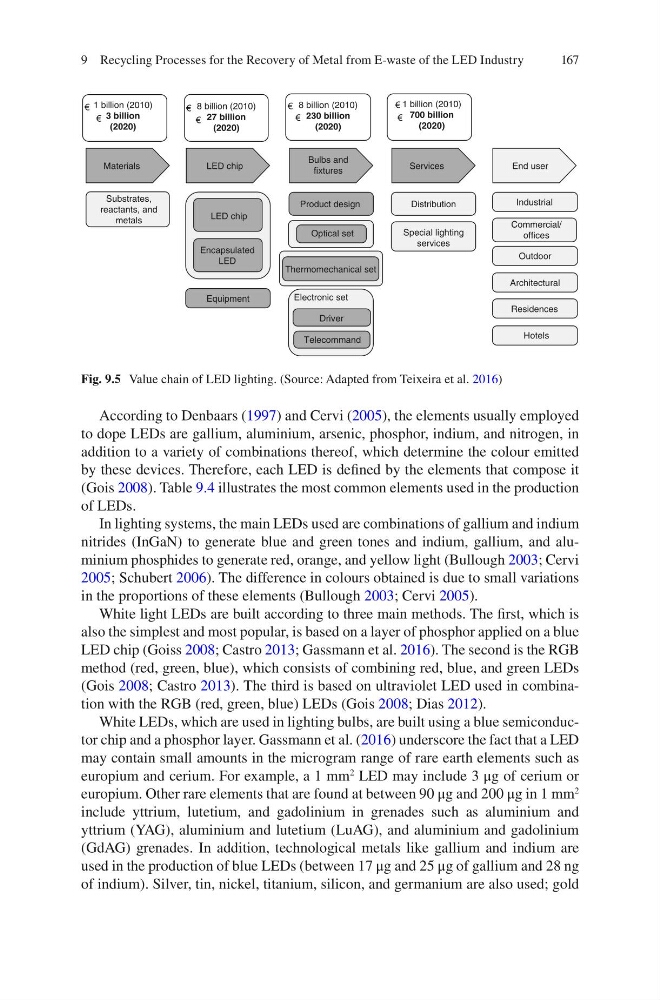
Fig. 9.5 Value chain of LED lighting. (Source: Adapted from Teixeira et al. 2016)
9 Recycling Processes for the Recovery of Metal from E-waste of the LED Industry
According to Denbaars (1997) and Cervi (2005), the elements usually employed
to dope LEDs are gallium, aluminium, arsenic, phosphor, indium, and nitrogen, in
addition to a variety of combinations thereof, which determine the colour emitted
by these devices. Therefore, each LED is defined by the elements that compose it
(Gois 2008). Table 9.4 illustrates the most common elements used in the production
of LEDs.
In lighting systems, the main LEDs used are combinations of gallium and indium
nitrides (InGaN) to generate blue and green tones and indium, gallium, and aluminium phosphides to generate red, orange, and yellow light (Bullough 2003; Cervi
2005; Schubert 2006). The difference in colours obtained is due to small variations
in the proportions of these elements (Bullough 2003; Cervi 2005).
White light LEDs are built according to three main methods. The first, which is
also the simplest and most popular, is based on a layer of phosphor applied on a blue
LED chip (Goiss 2008; Castro 2013; Gassmann et al. 2016). The second is the RGB
method (red, green, blue), which consists of combining red, blue, and green LEDs
(Gois 2008; Castro 2013). The third is based on ultraviolet LED used in combination with the RGB (red, green, blue) LEDs (Gois 2008; Dias 2012).
White LEDs, which are used in lighting bulbs, are built using a blue semiconductor chip and a phosphor layer. Gassmann et al. (2016) underscore the fact that a LED
may contain small amounts in the microgram range of rare earth elements such as
europium and cerium. For example, a 1 mm
2
LED may include 3 μg of cerium or
europium. Other rare elements that are found at between 90 μg and 200 μg in 1 mm
2
include yttrium, lutetium, and gadolinium in grenades such as aluminium and
yttrium (YAG), aluminium and lutetium (LuAG), and aluminium and gadolinium
(GdAG) grenades. In addition, technological metals like gallium and indium are
used in the production of blue LEDs (between 17 μg and 25 μg of gallium and 28 ng
of indium). Silver, tin, nickel, titanium, silicon, and germanium are also used; gold
Substrates,
reactants, and
metals
Materials
LED chip
Bulbs and
fixtures
Product design
Optical set
Thermomechanical set
Electronic set
Driver
Telecommand
Services
Distribution
Special lighting
services
Hotels
Residences
Architectural
Outdoor
Commercial/
offices
Industrial
End user
LED chip
Encapsulated
LED
Equipment
1 billion (2010)
3 billion
(2020)
8 billion (2010)
27 billion
(2020)
8 billion (2010)
230 billion
(2020)
1 billion (2010)
700 billion
(2020)
€
€
€
€
€
€
€
€
Fig. 9.5 Value chain of LED lighting. (Source: Adapted from Teixeira et al. 2016)
9 Recycling Processes for the Recovery of Metal from E-waste of the LED Industry