

122
6.3.7 Integrated Process
Numerous methods like mechanochemical treatment and hydrothermal treatment
processes were employed to remove halogenated compounds present in plastics. In
that case the solid waste was upgraded through hydrothermal treatment process.
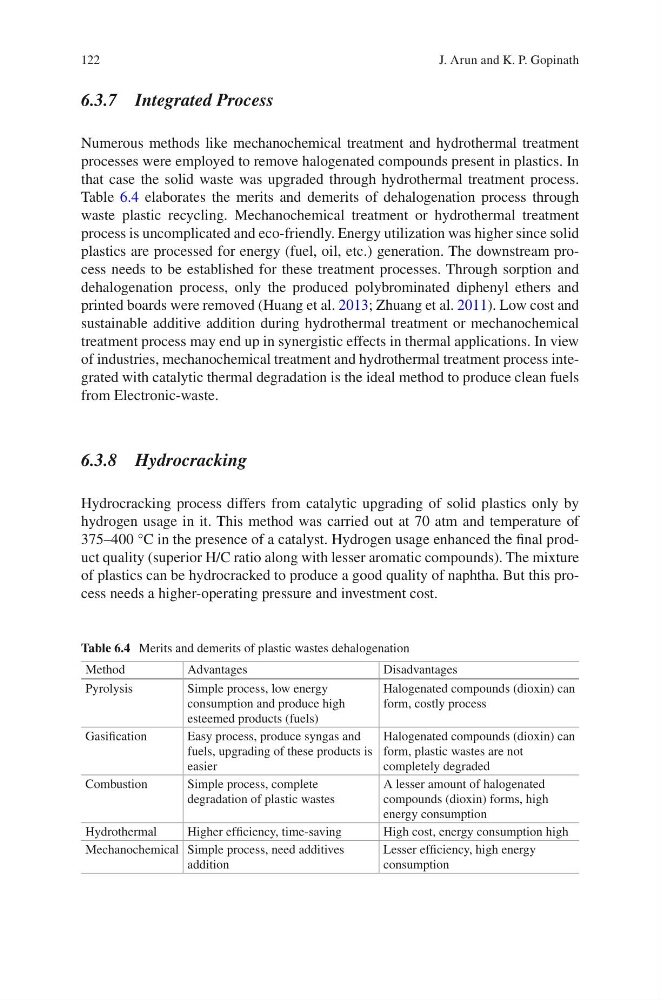
Table 6.4 elaborates the merits and demerits of dehalogenation process through
waste plastic recycling. Mechanochemical treatment or hydrothermal treatment
process is uncomplicated and eco-friendly. Energy utilization was higher since solid
plastics are processed for energy (fuel, oil, etc.) generation. The downstream process needs to be established for these treatment processes. Through sorption and
dehalogenation process, only the produced polybrominated diphenyl ethers and
printed boards were removed (Huang et al. 2013; Zhuang et al. 2011). Low cost and
sustainable additive addition during hydrothermal treatment or mechanochemical
treatment process may end up in synergistic effects in thermal applications. In view
of industries, mechanochemical treatment and hydrothermal treatment process integrated with catalytic thermal degradation is the ideal method to produce clean fuels
from Electronic-waste.
6.3.8 Hydrocracking
Hydrocracking process differs from catalytic upgrading of solid plastics only by
hydrogen usage in it. This method was carried out at 70 atm and temperature of
375–400 °C in the presence of a catalyst. Hydrogen usage enhanced the final product quality (superior H/C ratio along with lesser aromatic compounds). The mixture
of plastics can be hydrocracked to produce a good quality of naphtha. But this process needs a higher-operating pressure and investment cost.
Table 6.4 Merits and demerits of plastic wastes dehalogenation
Method
Advantages
Disadvantages
Pyrolysis
Simple process, low energy
consumption and produce high
esteemed products (fuels)
Halogenated compounds (dioxin) can
form, costly process
Gasification
Easy process, produce syngas and
fuels, upgrading of these products is
easier
Halogenated compounds (dioxin) can
form, plastic wastes are not
completely degraded
Combustion
Simple process, complete
degradation of plastic wastes
A lesser amount of halogenated
compounds (dioxin) forms, high
energy consumption
Hydrothermal
Higher efficiency, time-saving
High cost, energy consumption high
Mechanochemical Simple process, need additives
addition
Lesser efficiency, high energy
consumption
J. Arun and K. P. Gopinath
6.3.7 Integrated Process
Numerous methods like mechanochemical treatment and hydrothermal treatment
processes were employed to remove halogenated compounds present in plastics. In
that case the solid waste was upgraded through hydrothermal treatment process.
Table 6.4 elaborates the merits and demerits of dehalogenation process through
waste plastic recycling. Mechanochemical treatment or hydrothermal treatment
process is uncomplicated and eco-friendly. Energy utilization was higher since solid
plastics are processed for energy (fuel, oil, etc.) generation. The downstream process needs to be established for these treatment processes. Through sorption and
dehalogenation process, only the produced polybrominated diphenyl ethers and
printed boards were removed (Huang et al. 2013; Zhuang et al. 2011). Low cost and
sustainable additive addition during hydrothermal treatment or mechanochemical
treatment process may end up in synergistic effects in thermal applications. In view
of industries, mechanochemical treatment and hydrothermal treatment process integrated with catalytic thermal degradation is the ideal method to produce clean fuels
from Electronic-waste.
6.3.8 Hydrocracking
Hydrocracking process differs from catalytic upgrading of solid plastics only by
hydrogen usage in it. This method was carried out at 70 atm and temperature of
375–400 °C in the presence of a catalyst. Hydrogen usage enhanced the final product quality (superior H/C ratio along with lesser aromatic compounds). The mixture
of plastics can be hydrocracked to produce a good quality of naphtha. But this process needs a higher-operating pressure and investment cost.
Table 6.4 Merits and demerits of plastic wastes dehalogenation
Method
Advantages
Disadvantages
Pyrolysis
Simple process, low energy
consumption and produce high
esteemed products (fuels)
Halogenated compounds (dioxin) can
form, costly process
Gasification
Easy process, produce syngas and
fuels, upgrading of these products is
easier
Halogenated compounds (dioxin) can
form, plastic wastes are not
completely degraded
Combustion
Simple process, complete
degradation of plastic wastes
A lesser amount of halogenated
compounds (dioxin) forms, high
energy consumption
Hydrothermal
Higher efficiency, time-saving
High cost, energy consumption high
Mechanochemical Simple process, need additives
addition
Lesser efficiency, high energy
consumption
J. Arun and K. P. Gopinath