

in the study performed by Sadauskas et al. [80] reporting only a 9% decrease in the
amount of gold present in the liver up to 6 months after AuNPs (*40 nm) were
intravenously injected. Another report has demonstrated inflammatory and apoptotic responses in the liver after administration of AuNPs [81]. Nephrotoxicity is
always a concern upon AuNP administration, since AuNPs have been shown to
enter renal cells and accumulate in the kidney tissue [82]. Therefore, despite their
promising potential in molecular theranostics, in-depth evaluation of their pharmacokinetic profiles and long-term toxicities in vivo, is warranted.
2.4 Quantum Dots
Semiconductor quantum dots (QDs) have attracted much attention in the last two
decades due to their unique optical and electronic properties, which are not
observed in either isolated molecules or bulk materials [83]. QDs often described as
“artificial atoms” or “particles with physical dimensions smaller than the exciton
Bohr radius”, are semiconductor crystals of nanometer size (2–10 nm) composed of
groups II–VI or III–V elements [84]. Virtually any semiconductor metal (e.g., CdS,
CdSe, CdTe, ZnS, PbS), as well as alloys and other metals (e.g. Au) can be
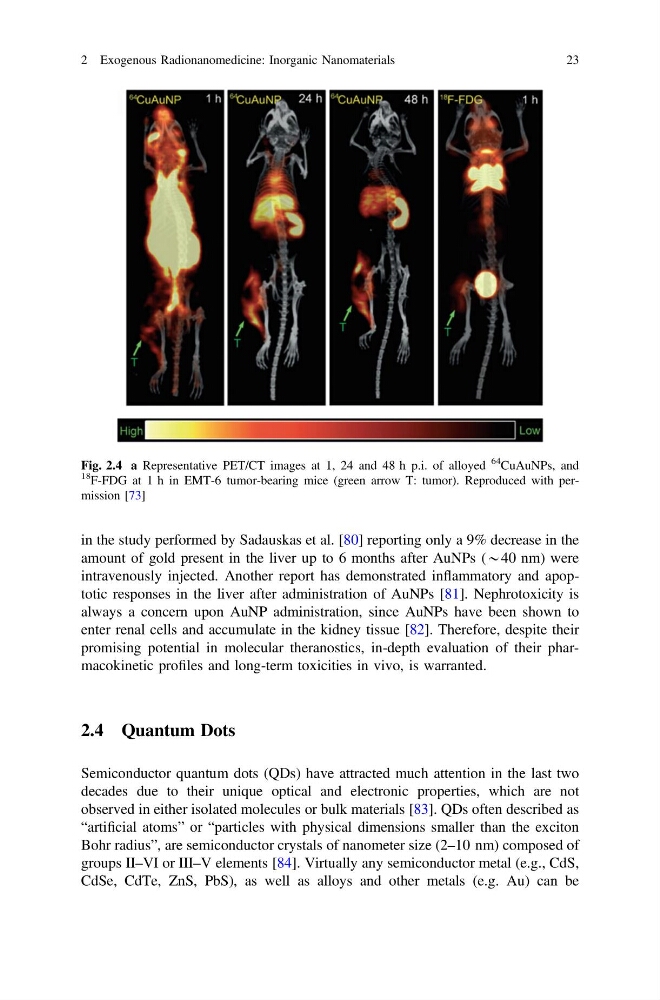
Fig. 2.4 a Representative PET/CT images at 1, 24 and 48 h p.i. of alloyed
64
CuAuNPs, and
18
F-FDG at 1 h in EMT-6 tumor-bearing mice (green arrow T: tumor). Reproduced with permission [73]
2 Exogenous Radionanomedicine: Inorganic Nanomaterials
23
amount of gold present in the liver up to 6 months after AuNPs (*40 nm) were
intravenously injected. Another report has demonstrated inflammatory and apoptotic responses in the liver after administration of AuNPs [81]. Nephrotoxicity is
always a concern upon AuNP administration, since AuNPs have been shown to
enter renal cells and accumulate in the kidney tissue [82]. Therefore, despite their
promising potential in molecular theranostics, in-depth evaluation of their pharmacokinetic profiles and long-term toxicities in vivo, is warranted.
2.4 Quantum Dots
Semiconductor quantum dots (QDs) have attracted much attention in the last two
decades due to their unique optical and electronic properties, which are not
observed in either isolated molecules or bulk materials [83]. QDs often described as
“artificial atoms” or “particles with physical dimensions smaller than the exciton
Bohr radius”, are semiconductor crystals of nanometer size (2–10 nm) composed of
groups II–VI or III–V elements [84]. Virtually any semiconductor metal (e.g., CdS,
CdSe, CdTe, ZnS, PbS), as well as alloys and other metals (e.g. Au) can be
Fig. 2.4 a Representative PET/CT images at 1, 24 and 48 h p.i. of alloyed
64
CuAuNPs, and
18
F-FDG at 1 h in EMT-6 tumor-bearing mice (green arrow T: tumor). Reproduced with permission [73]
2 Exogenous Radionanomedicine: Inorganic Nanomaterials
23