

recipient cells. After this discovery, the presence of nucleic acids including
miRNAs and other noncoding RNAs in EVs and their influences on recipient cells
were also identified in various types of cells including cancer and stem cells
[23–27]. From the recent multiomics studies with conjunction of bioinformatics
approaches, a huge number of vesicular cargos including proteins, lipids, mRNAs,
miRNAs, and metabolites have been catalogued, which leads better understanding
of these complex extracellular organelles [9]. All these vesicular components
identified by multiomics studies have been deposited in a community web portal
database for EV research, EVpedia at http://evpedia.info [9–11].
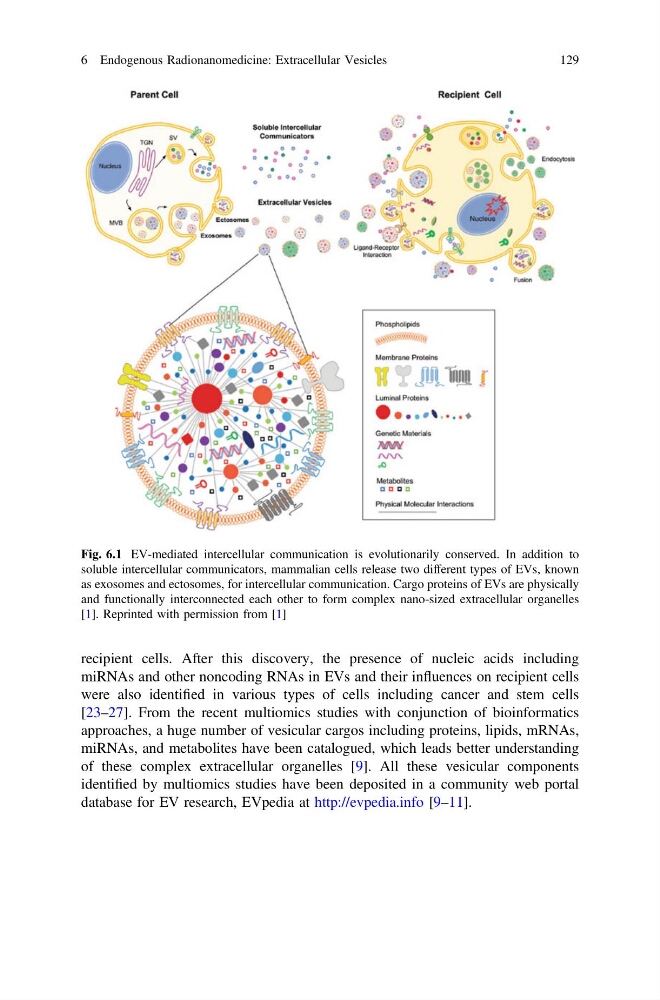
Fig. 6.1 EV-mediated intercellular communication is evolutionarily conserved. In addition to
soluble intercellular communicators, mammalian cells release two different types of EVs, known
as exosomes and ectosomes, for intercellular communication. Cargo proteins of EVs are physically
and functionally interconnected each other to form complex nano-sized extracellular organelles
[1]. Reprinted with permission from [1]
6 Endogenous Radionanomedicine: Extracellular Vesicles
129
miRNAs and other noncoding RNAs in EVs and their influences on recipient cells
were also identified in various types of cells including cancer and stem cells
[23–27]. From the recent multiomics studies with conjunction of bioinformatics
approaches, a huge number of vesicular cargos including proteins, lipids, mRNAs,
miRNAs, and metabolites have been catalogued, which leads better understanding
of these complex extracellular organelles [9]. All these vesicular components
identified by multiomics studies have been deposited in a community web portal
database for EV research, EVpedia at http://evpedia.info [9–11].
Fig. 6.1 EV-mediated intercellular communication is evolutionarily conserved. In addition to
soluble intercellular communicators, mammalian cells release two different types of EVs, known
as exosomes and ectosomes, for intercellular communication. Cargo proteins of EVs are physically
and functionally interconnected each other to form complex nano-sized extracellular organelles
[1]. Reprinted with permission from [1]
6 Endogenous Radionanomedicine: Extracellular Vesicles
129